
Ingredient research, handled carefully
Explore the evidence.
Keep the limits visible.
Browse what researchers have studied around Nigerian ingredients without turning early findings, extracts or traditional use into treatment claims.
Important medical information
This is not medical advice.
NigerianSpices.com is an independent food and culture publication. It is not a healthcare provider, medical service, medicines regulator or substitute for professional care. Nothing here diagnoses, treats, cures or prevents disease.
Do not stop, start or change prescribed treatment because of this website. Ask a doctor, pharmacist or qualified healthcare professional before using herbs or supplements, especially if you have diabetes, take medicines, are pregnant or breastfeeding, or have liver or kidney problems.
Research topics
Start with a question, not a promise.
5 ingredients
Blood sugar & metabolic research
Studies connected with glucose, insulin or broader metabolic markers. This is not evidence that an ingredient treats diabetes.
Explore research →5 ingredientsEvidence gaps & traditional use
Traditional use is important cultural evidence, but it is not the same as proof of safety or clinical effectiveness.
Explore research →2 ingredientsFermentation research
Research into fermentation, composition and food processes, not a therapeutic recommendation.
Explore research →1 ingredientFood safety & allergens
Practical safety information about ingredients, allergens, handling and formulation.
Explore research →2 ingredientsHeart & circulation research
Research involving blood pressure, lipids or cardiovascular markers, with study design and limitations kept visible.
Explore research →5 ingredientsInflammation & oxidative-stress research
Mostly laboratory or animal research into inflammatory or oxidative-stress markers; human outcomes may be unknown.
Explore research →3 ingredientsNutrition & food composition
Evidence about nutrients and food composition. Nutrient content does not by itself prove disease prevention.
Explore research →1 ingredientOral-health research
Research involving oral-health outcomes, often using specific formulations rather than the ingredient as food.
Explore research →1 ingredientWeight & energy-metabolism research
Research into energy expenditure or body-composition measures, often using concentrated extracts.
Explore research →Ingredient field notes
Every researched ingredient
76 entries
Evidence gaps & traditional use
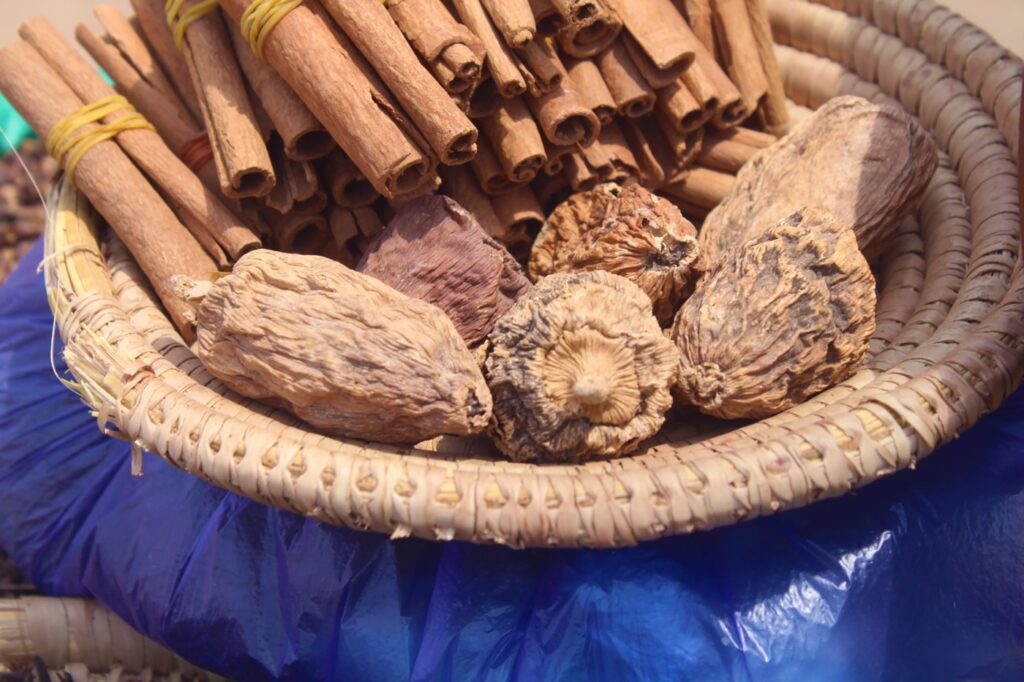
Alligator Pepper
No reliable human evidence identifiedAlligator pepper is a market name applied to more than one Aframomum species. Because the botanical identity of a purchased spice may be unclear, research on grains of paradise or…
Read evidence and sources →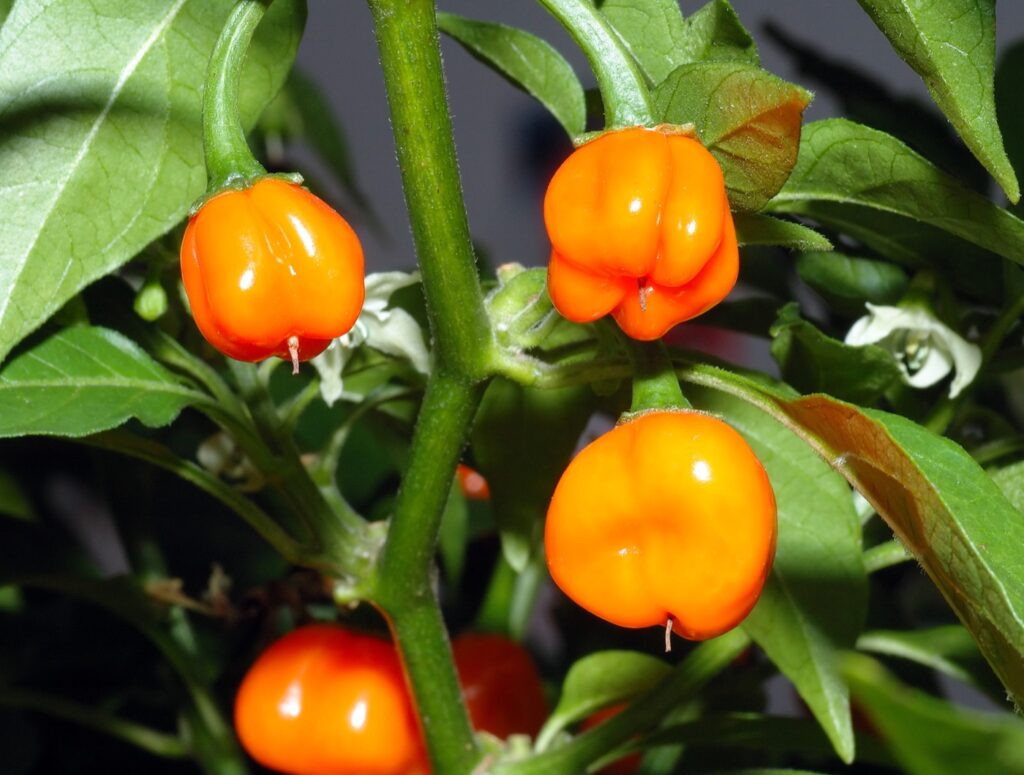
Blood sugar & metabolic research
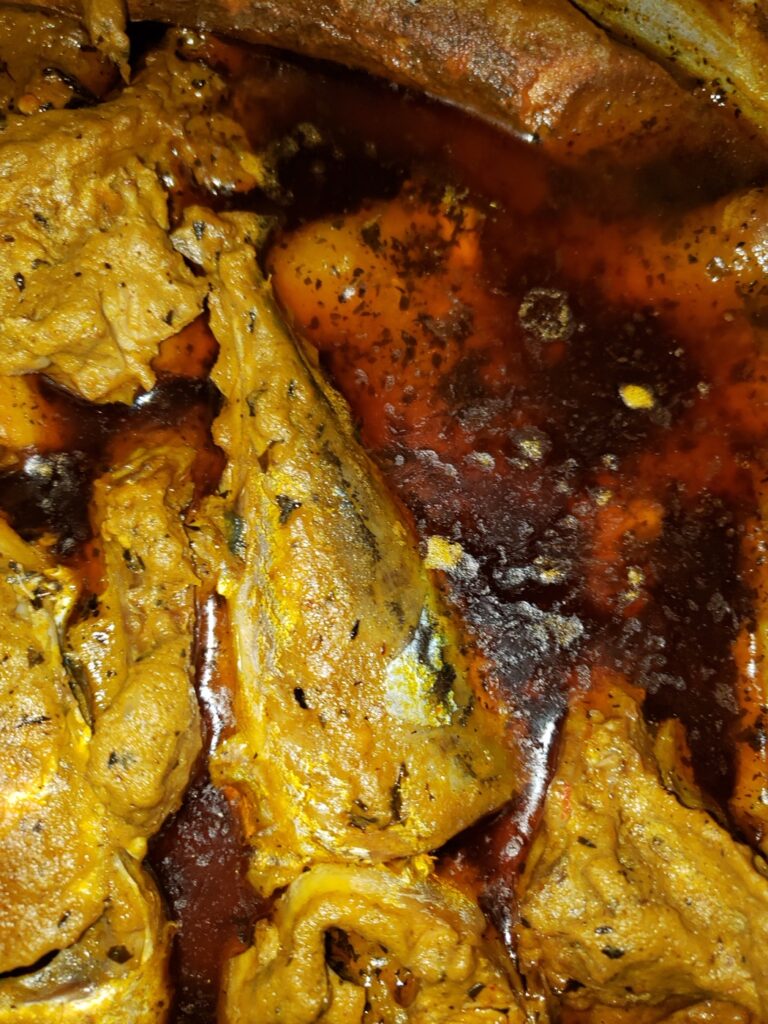
Ata Rodo
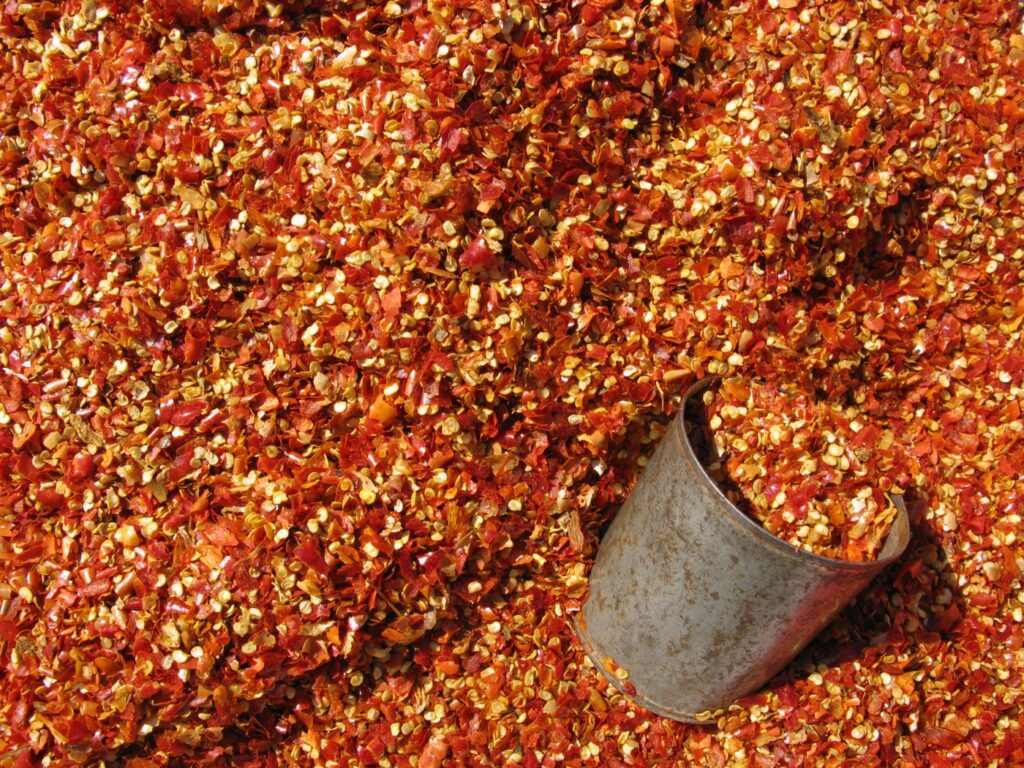
Limited human evidenceHot peppers contain capsaicinoids, but research usually studies measured capsaicin supplements or broad chilli intake rather than ata rodo itself. Reviews of human studies report mixed or low-certainty cardiometabolic findings.…
Read evidence and sources →

Evidence gaps & traditional use
Banga Spice
No reliable human evidence identifiedBanga spice is not a standardised formula. Its nutritional profile and any biological activity depend on the exact blend, dose, salt level and preparation. No health benefit can responsibly be…
Read evidence and sources →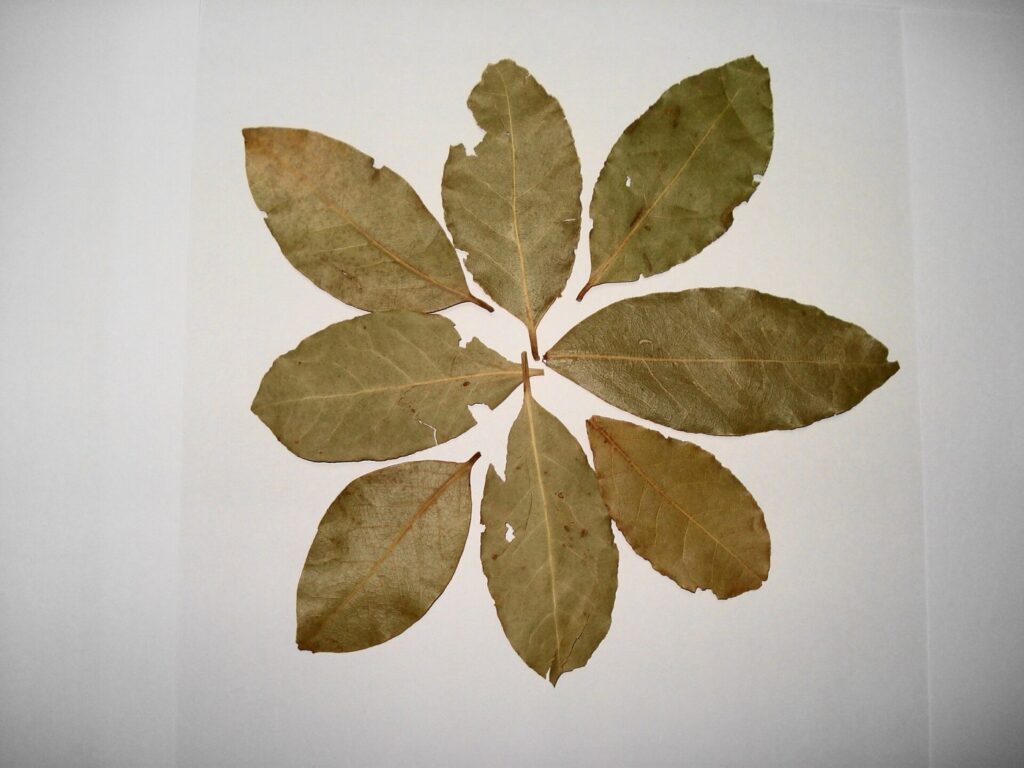
Blood sugar & metabolic research
Cameroon Pepper
Limited human evidenceDried hot peppers contain capsaicinoids, but Cameroon pepper is not one standardised cultivar or dose. Human reviews of chilli and capsaicin research find uncertain or low-confidence cardiometabolic effects, so normal…
Read evidence and sources →
Inflammation & oxidative-stress research
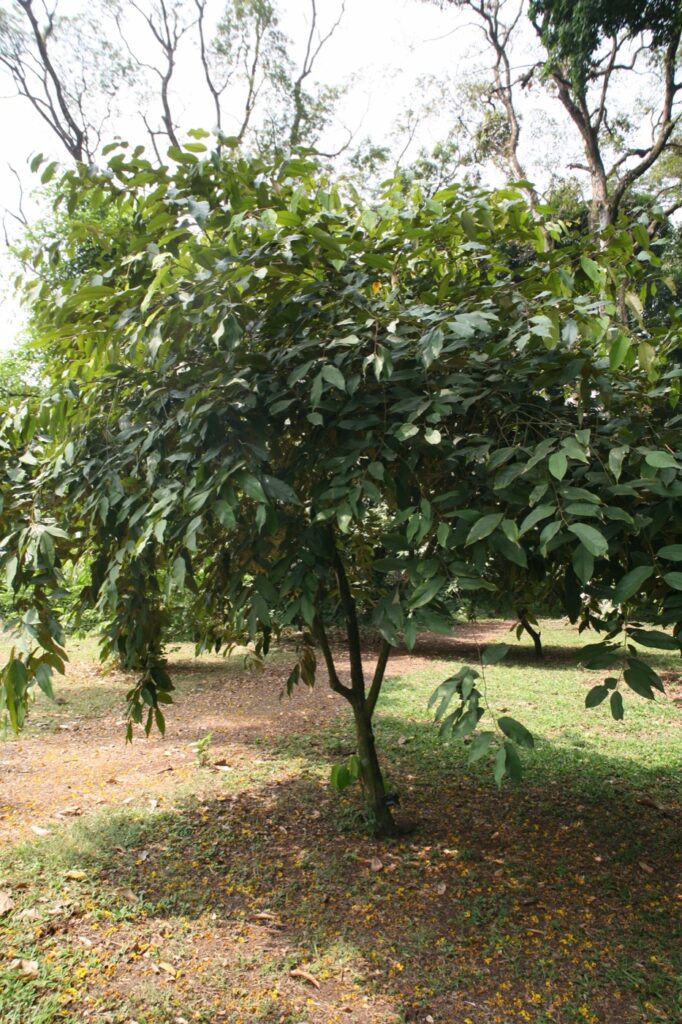
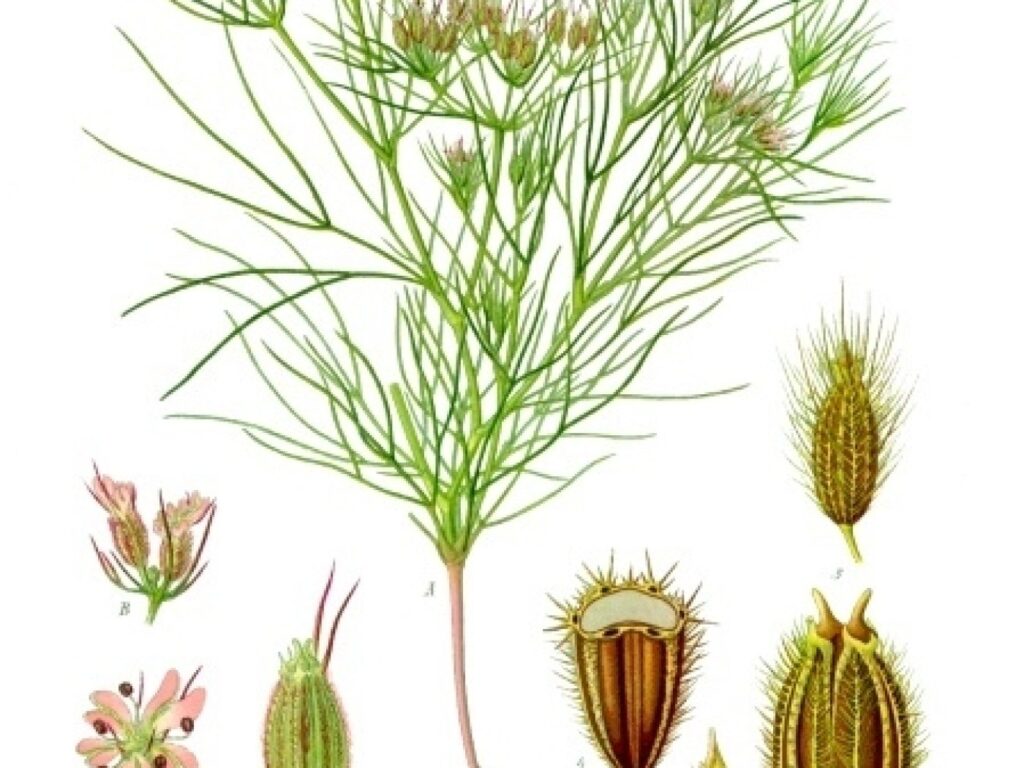
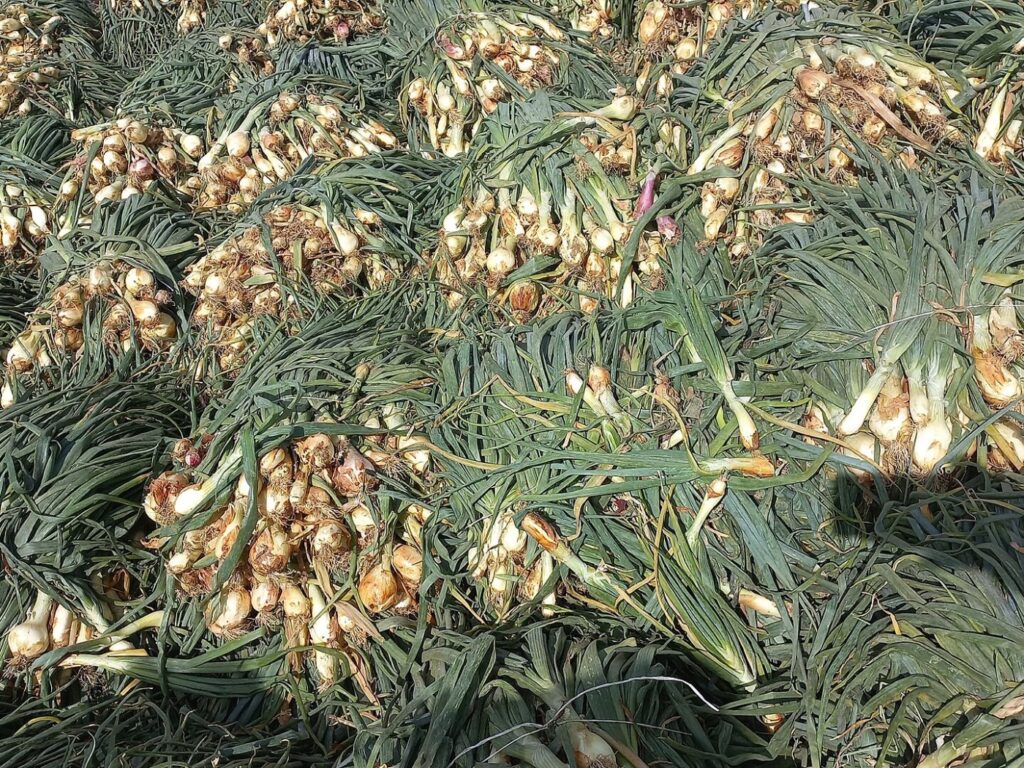
Country Onion
Preclinical or nutritional evidence onlyLaboratory research has measured antioxidant activity in extracts of Afrostyrax lepidophyllus leaves and bark. This is not evidence that culinary country onion prevents disease in people, and no reliable human…
Read evidence and sources →
Nutrition & food composition
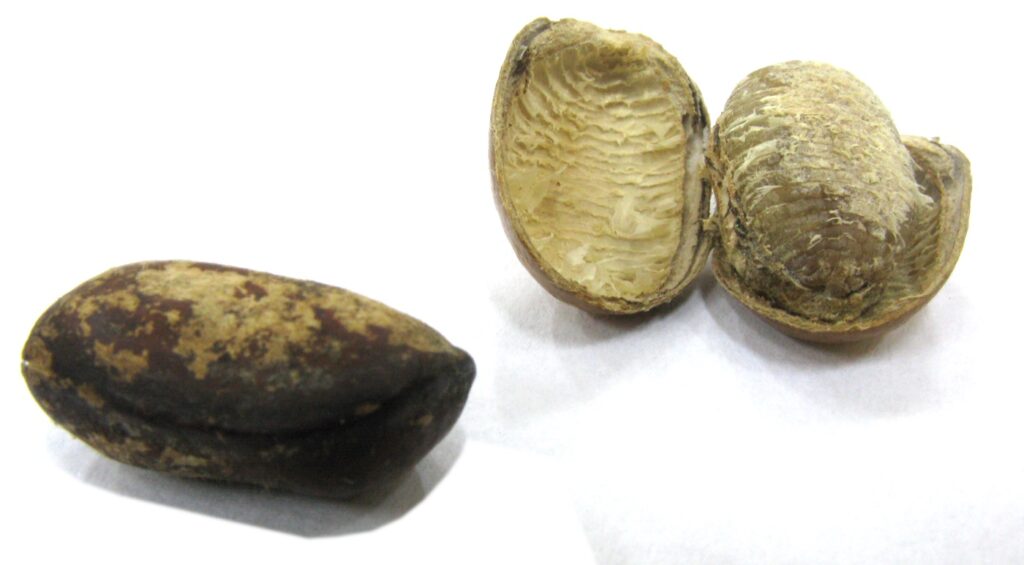
Ehuru
Preclinical or nutritional evidence onlyFood-composition studies of Monodora myristica seeds report protein, amino acids and other nutrients, with processing changing the measured profile. Antioxidant findings are from laboratory assays, not clinical outcomes. These studies…
Read evidence and sources →

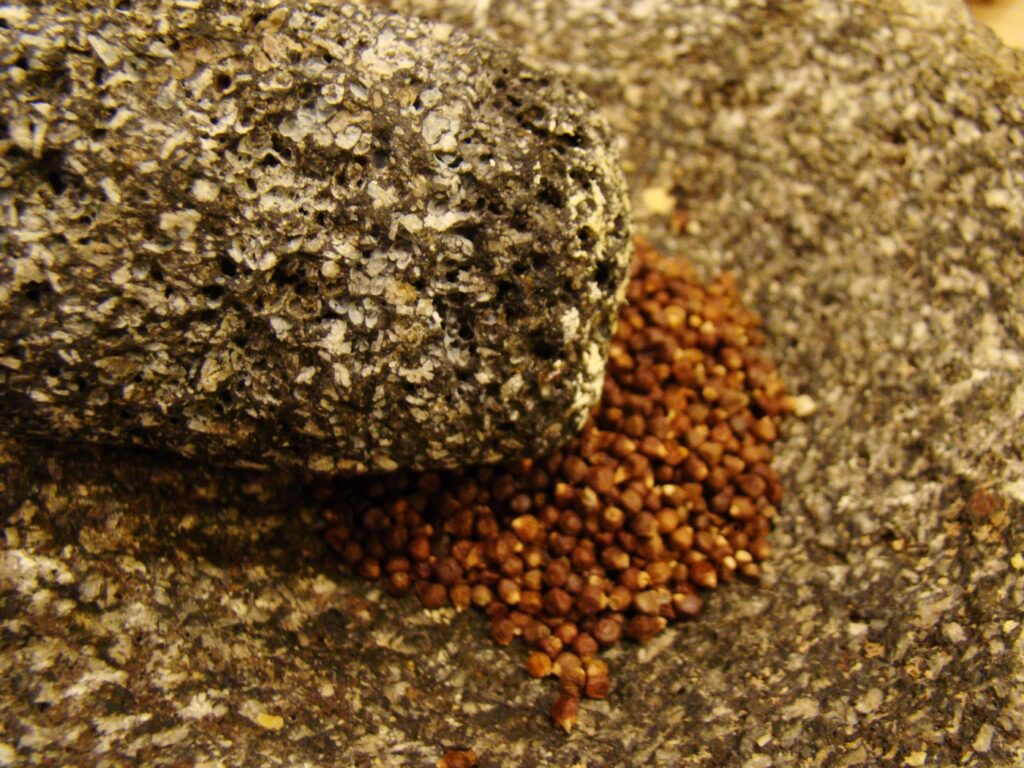
Weight & energy-metabolism research
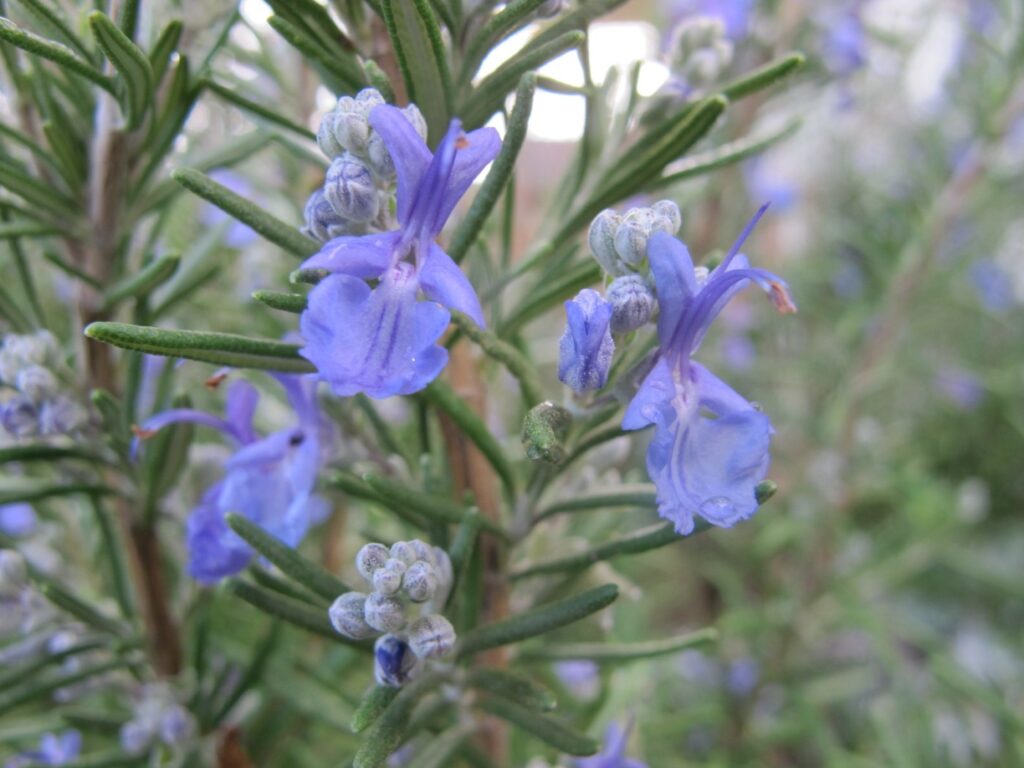
Grains of Paradise
Limited human evidenceSmall controlled trials of standardised Aframomum melegueta extracts have reported short-term changes in energy expenditure and visceral fat measures. The studies used concentrated extracts, small samples and specific dosing; they…
Read evidence and sources →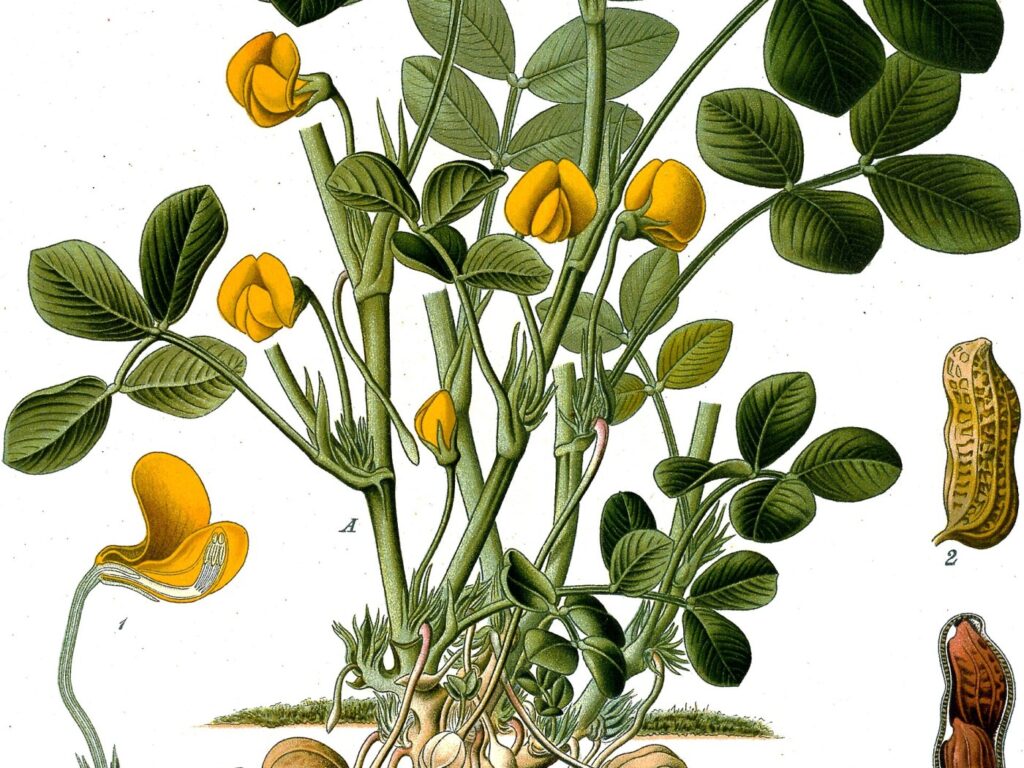
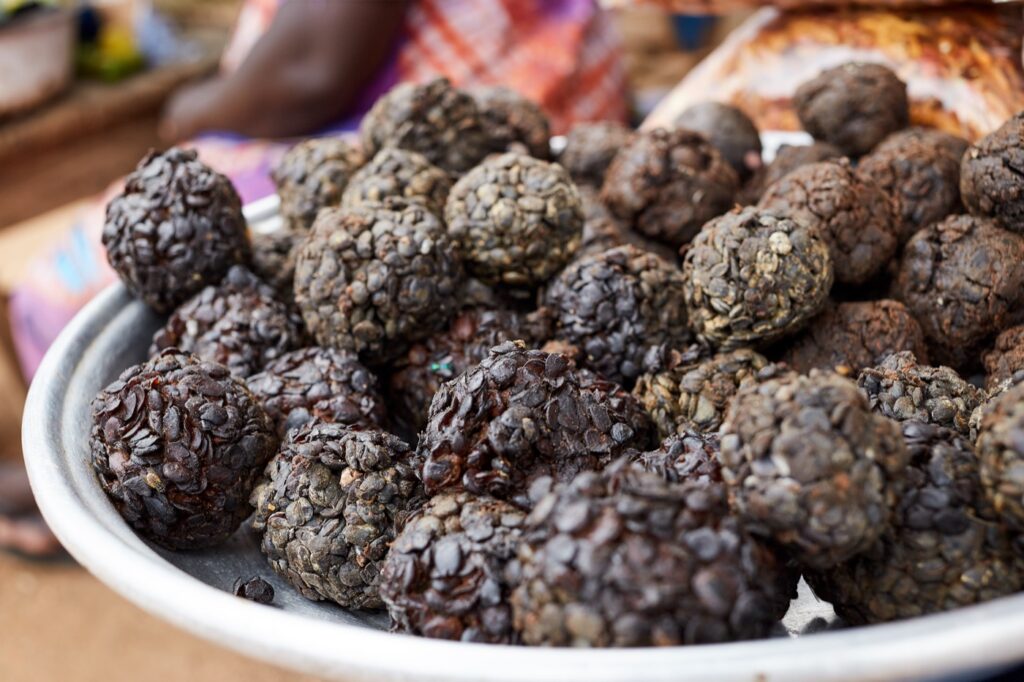
Fermentation research
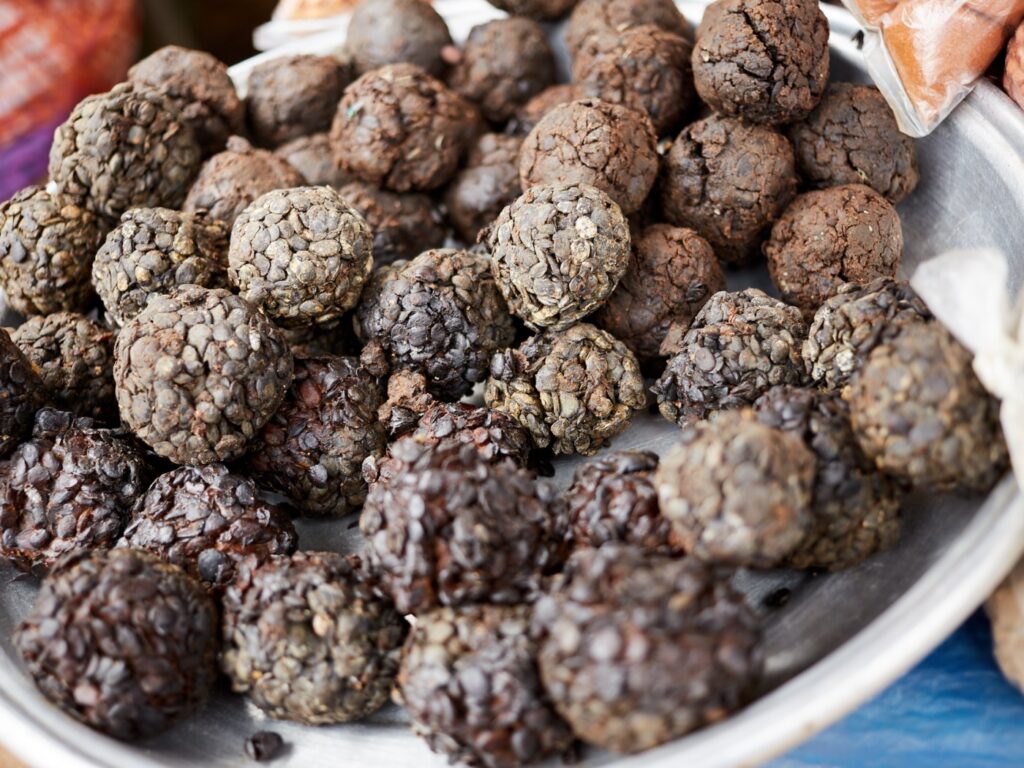
Iru
Preclinical or nutritional evidence onlyAnalyses of fermented Parkia biglobosa seeds report protein, fat and amino acids, while fermentation can reduce some antinutritional factors. Composition varies by seed, process and producer, and nutrient analysis is…
Read evidence and sources →




Evidence gaps & traditional use
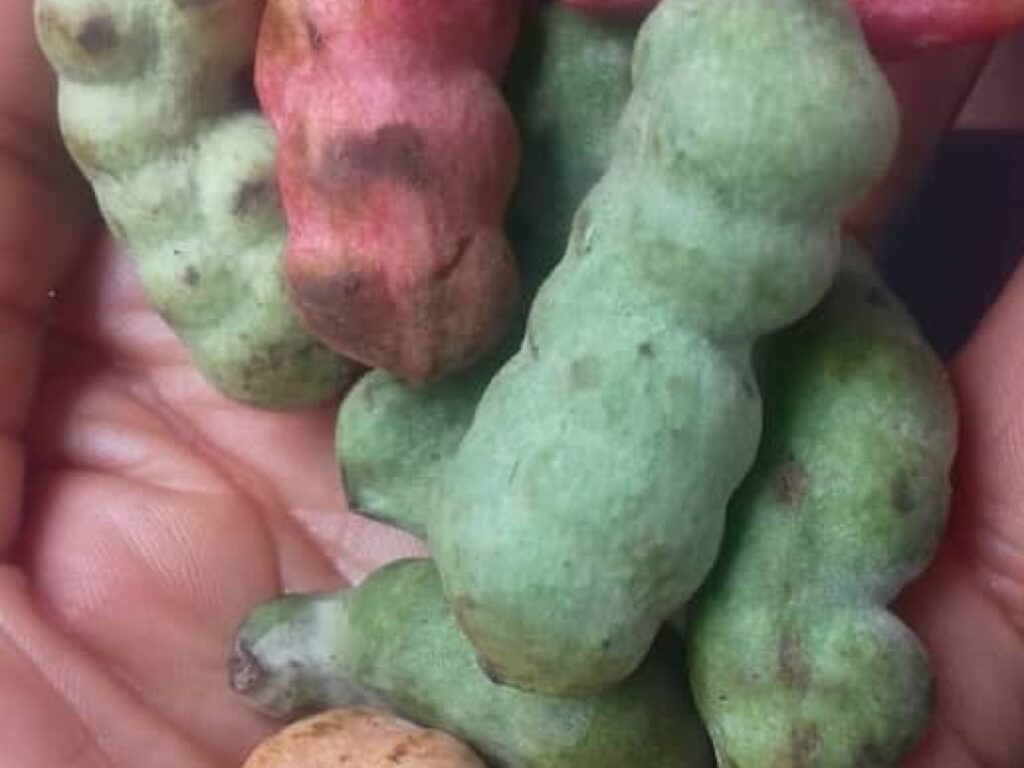
Ogiri
No reliable human evidence identifiedOgiri describes fermented seasonings made from different oil-rich seeds. Because the raw material, microbes, salt and processing vary, one health profile cannot be assigned to every product. No reliable human…
Read evidence and sources →



Oral-health research
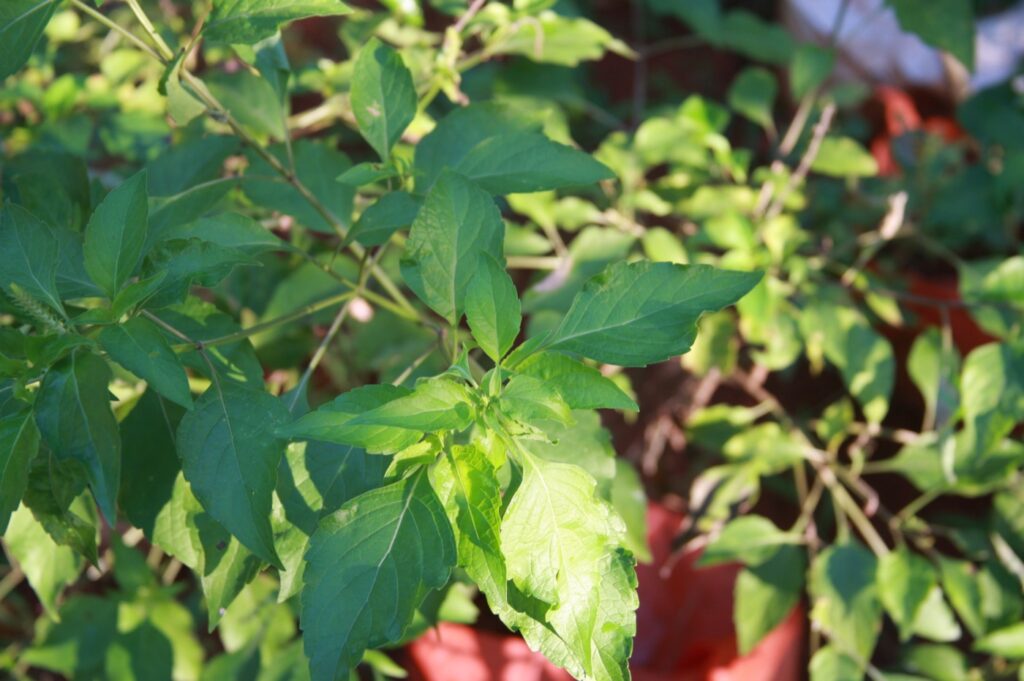
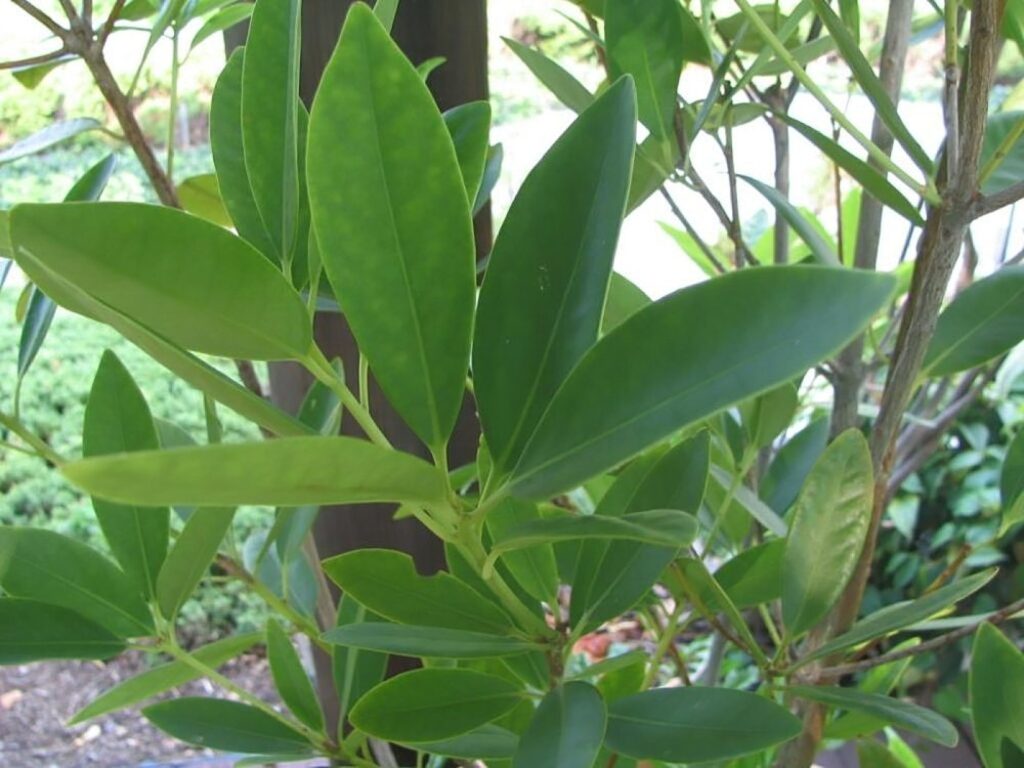
Scent Leaf
Limited human evidenceSmall clinical studies have tested Ocimum gratissimum as a formulated mouthrinse and reported reduced plaque or gingivitis measures. That evidence concerns a specific rinse, not eating scent leaf, and it…
Read evidence and sources →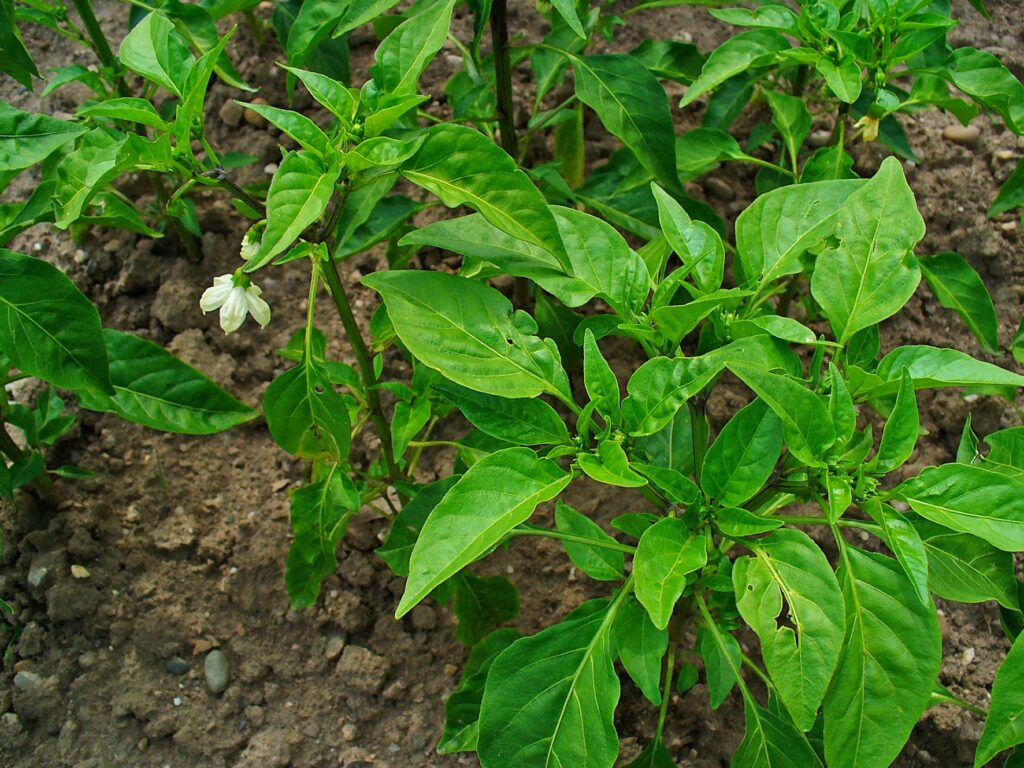
Food safety & allergens
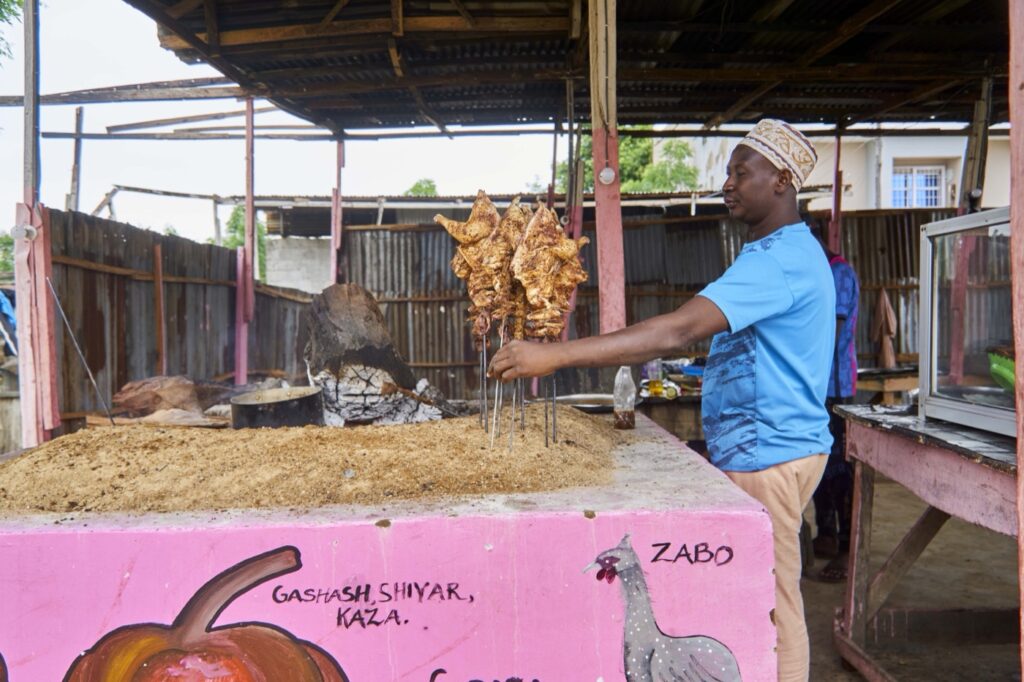
Suya Spice
No reliable human evidence identifiedSuya spice or yaji is a variable blend, often containing groundnut, pepper, salt and aromatics. No health benefit can be assigned to all blends. Its dietary impact depends on formulation…
Read evidence and sources →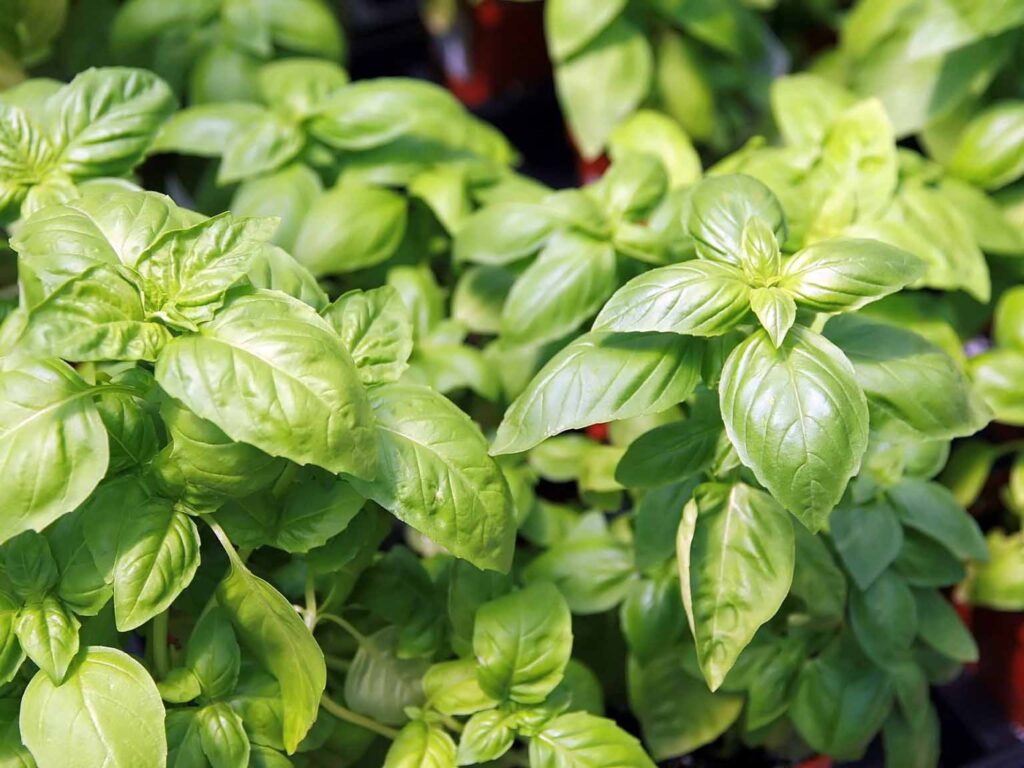
Nutrition & food composition
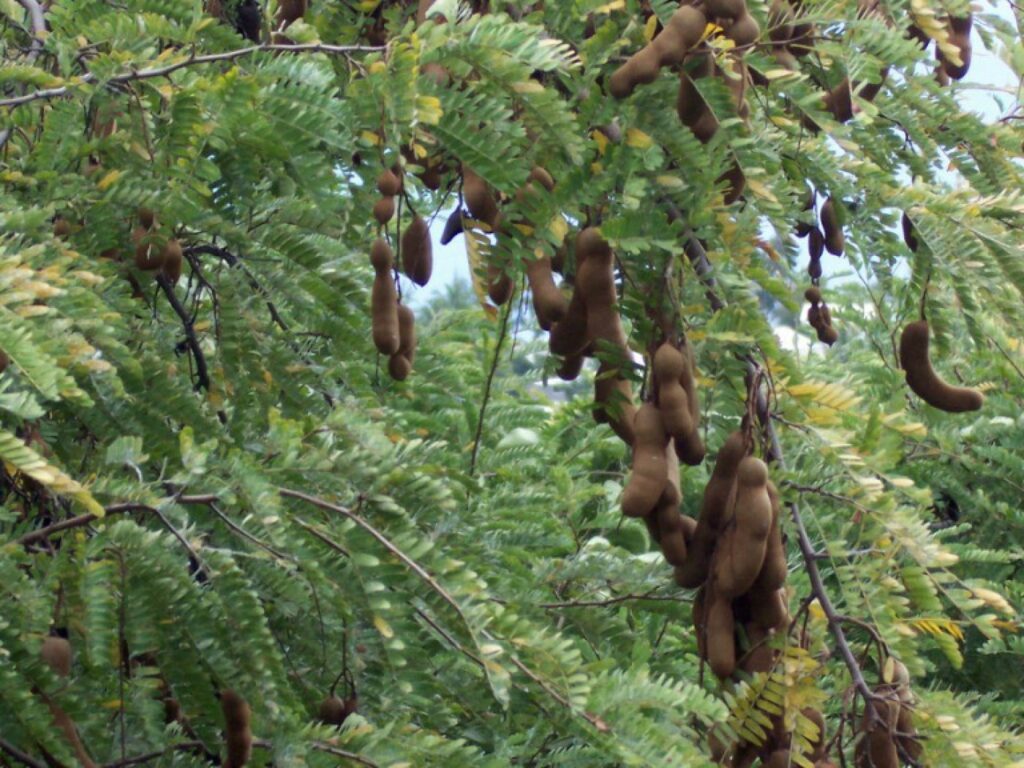
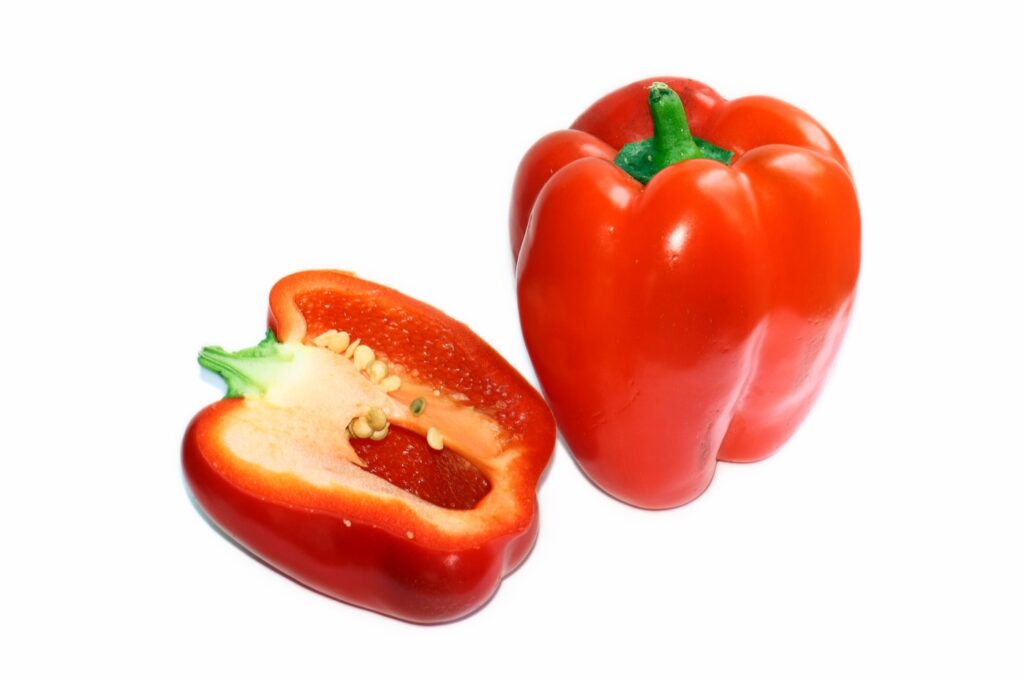
Tatashe
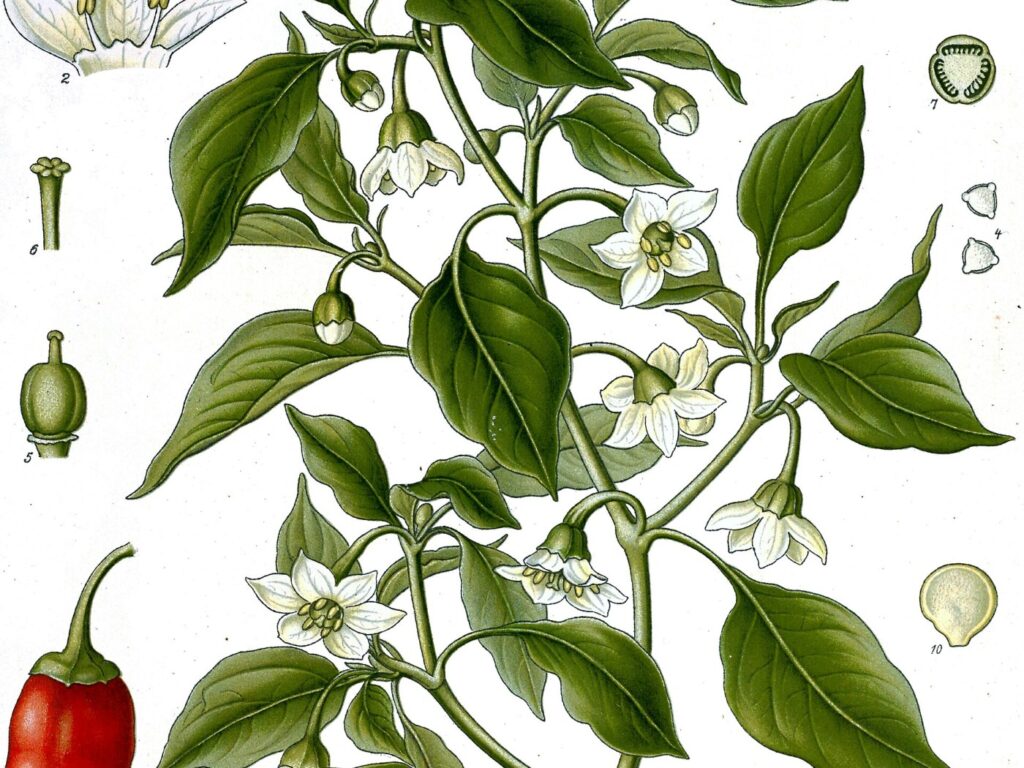
Preclinical or nutritional evidence onlySweet red peppers are recognised dietary sources of vitamin C and carotenoids. Vitamin C supports normal collagen formation, iron absorption and immune function, but the amount retained varies with cultivar,…
Read evidence and sources →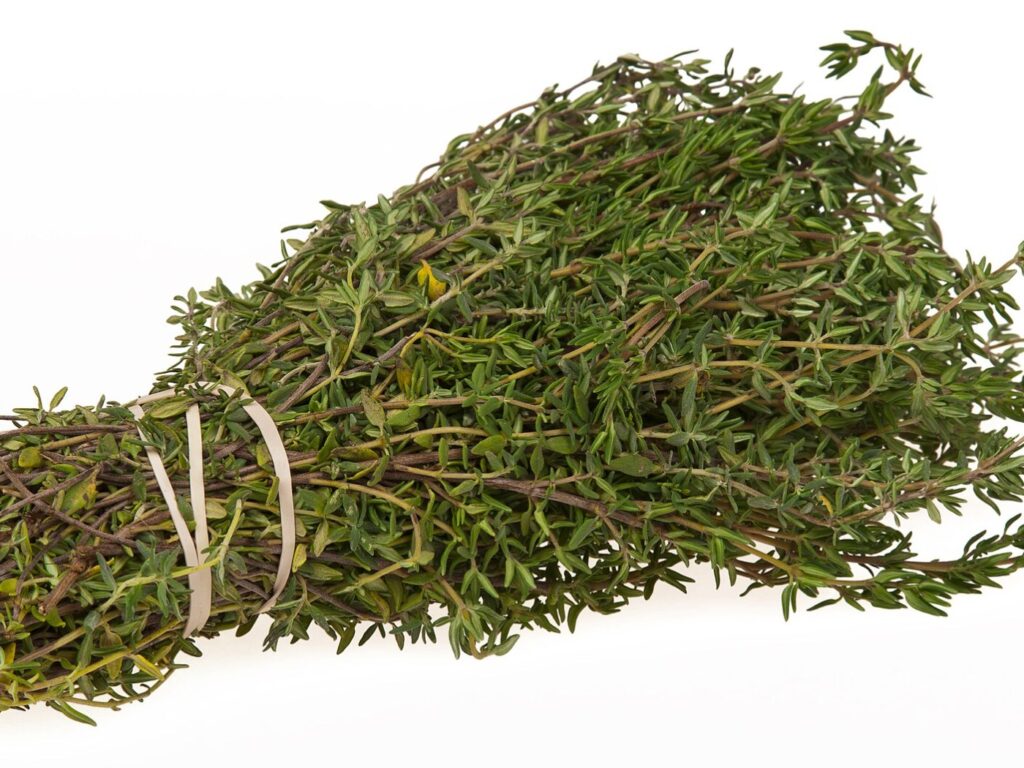
Blood sugar & metabolic research
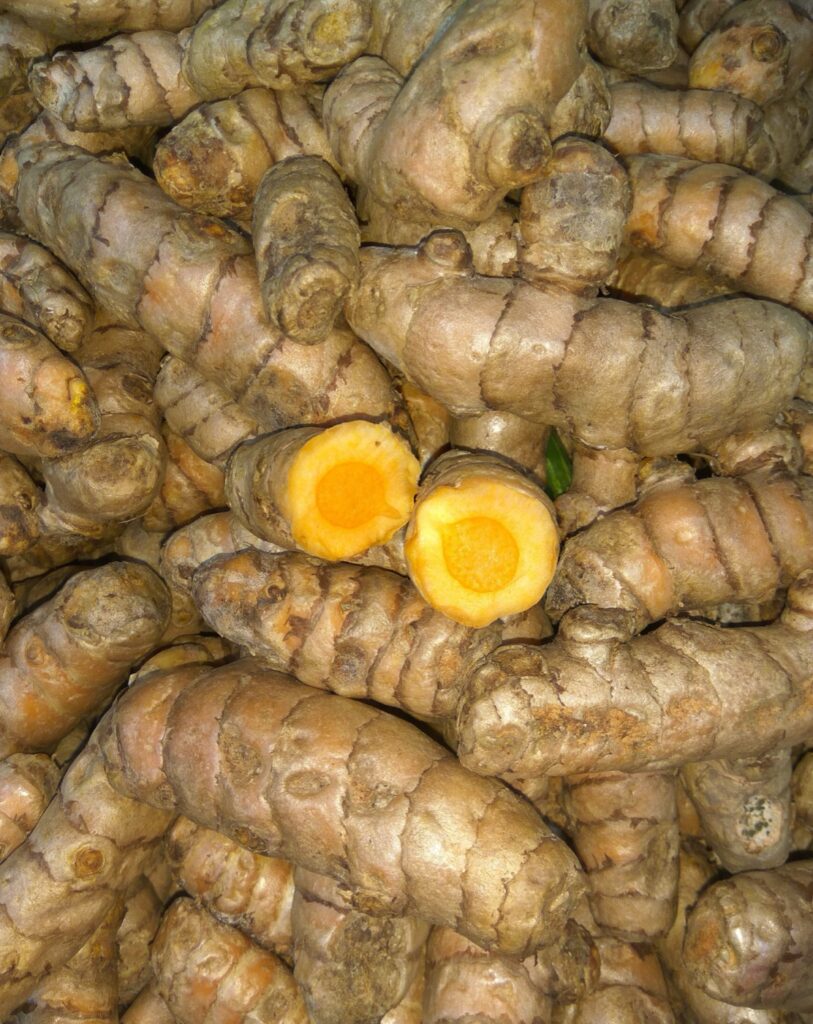
Turmeric
Moderate human evidenceSystematic reviews of randomised trials report that curcumin or turmeric supplements may improve some metabolic and inflammatory markers, but results and evidence quality vary. Trials generally use concentrated or enhanced-bioavailability…
Read evidence and sources →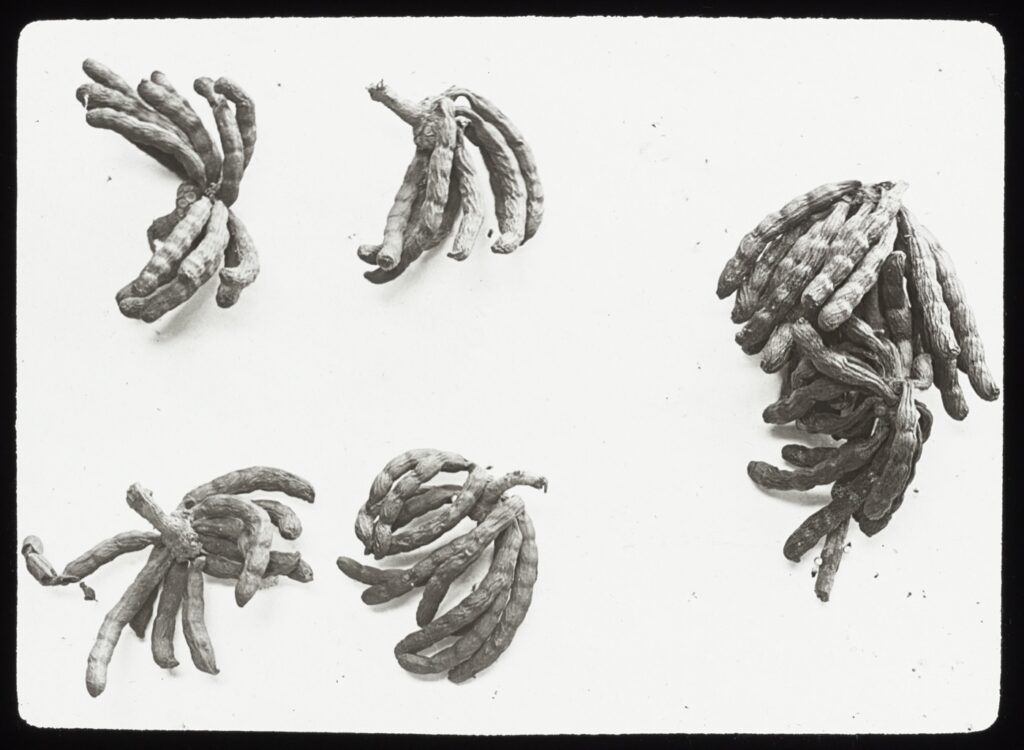
Inflammation & oxidative-stress research
Uda
Preclinical or nutritional evidence onlyStudies of Xylopia aethiopica report nutrient and phytochemical composition, and laboratory or animal experiments have explored antioxidant and anti-inflammatory activity. These designs cannot establish a health benefit in people from…
Read evidence and sources →


Blood sugar & metabolic research
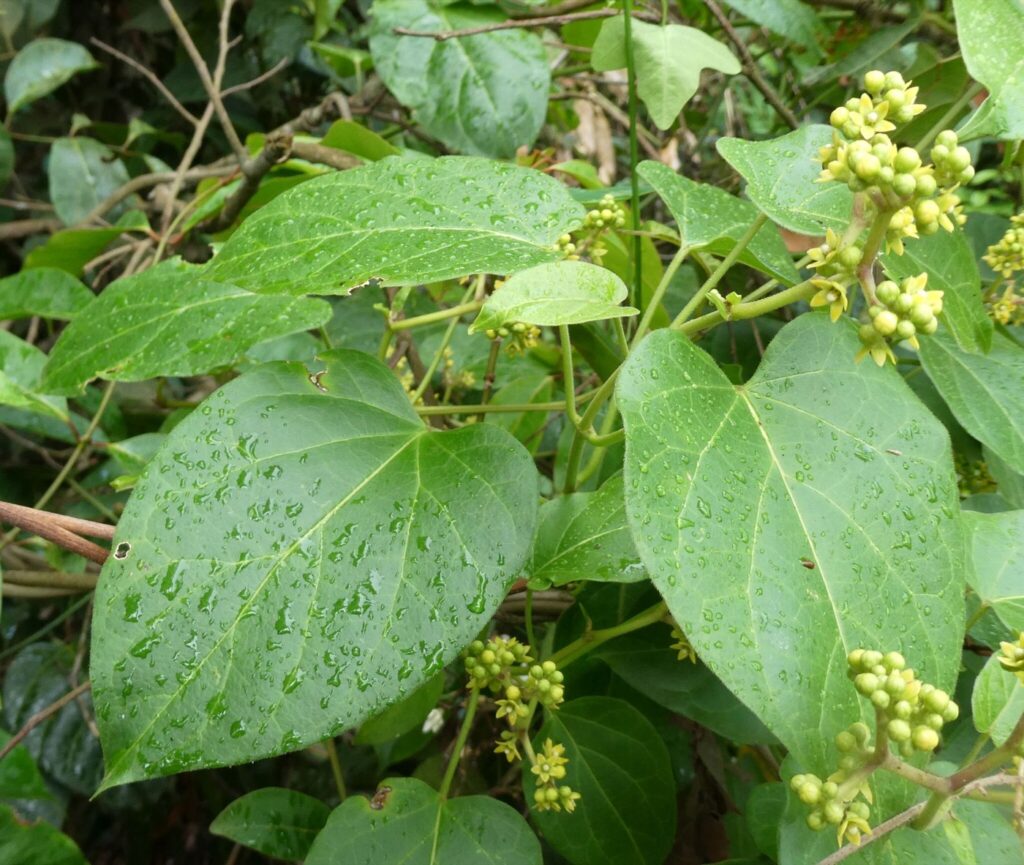
Utazi
Preclinical or nutritional evidence onlyResearch on Gongronema latifolium extracts is mainly laboratory or animal based. A 90-day rat study found dose- and sex-specific safety signals at high extract doses, reinforcing that concentrated preparations should…
Read evidence and sources →
Blood sugar & metabolic research
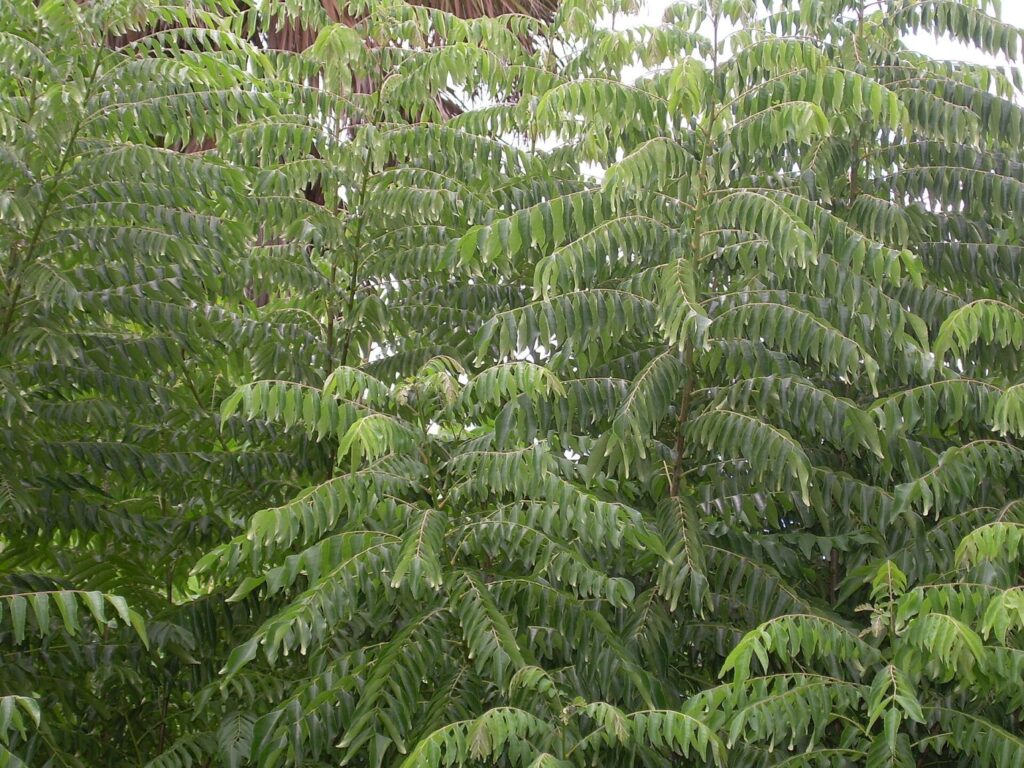
Uyayak
Preclinical or nutritional evidence onlyReviews describe nutrients and bioactive compounds in Tetrapleura tetraptera, but most claimed biological effects come from laboratory or animal studies. Human clinical evidence for culinary uyayak is insufficient, so claims…
Read evidence and sources →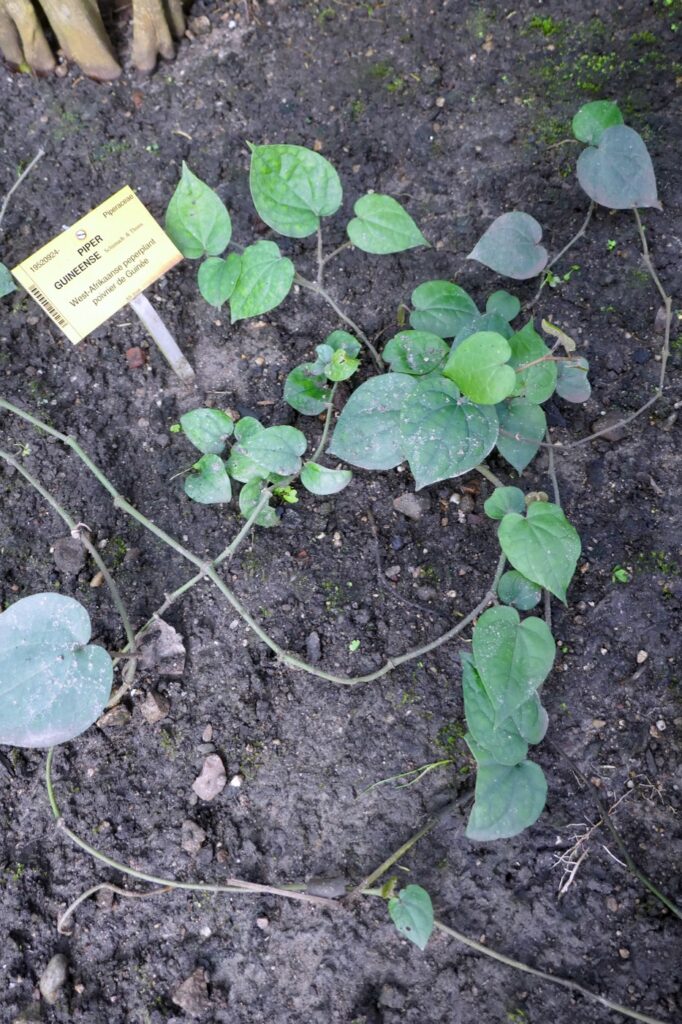
Inflammation & oxidative-stress research
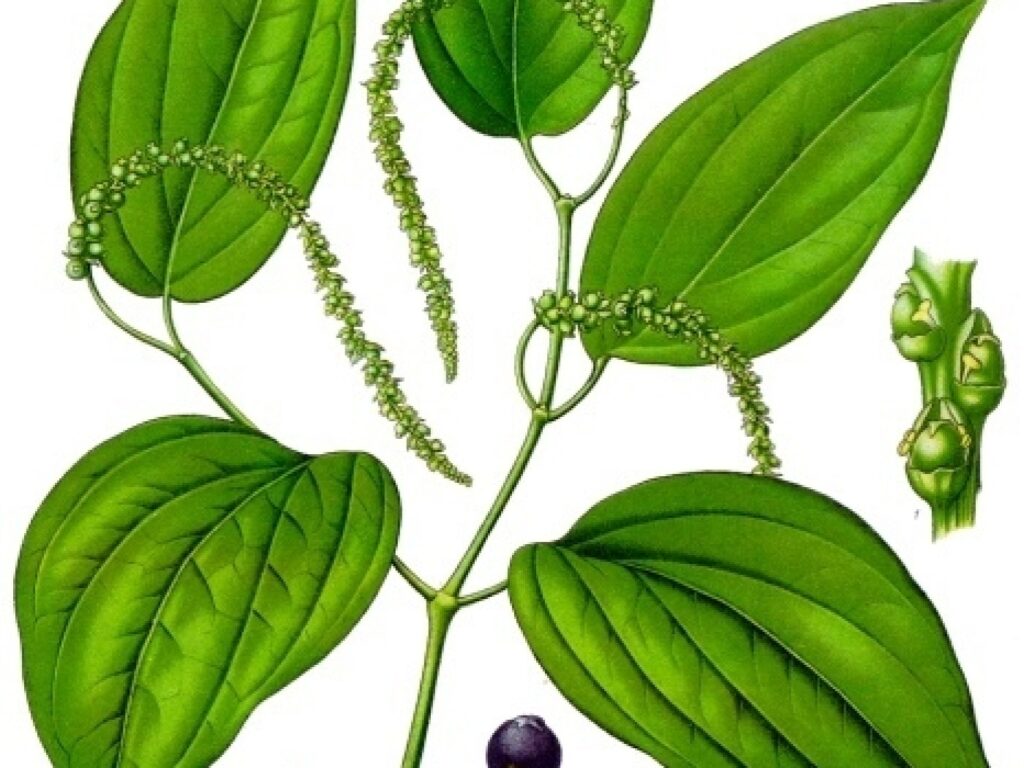
Uziza Leaf
Preclinical or nutritional evidence onlyPiper guineense leaves contain compounds of scientific interest, but the available evidence for anti-inflammatory or antimicrobial effects is largely from extracts, cell systems or animals. A rat inflammation study cannot…
Read evidence and sources →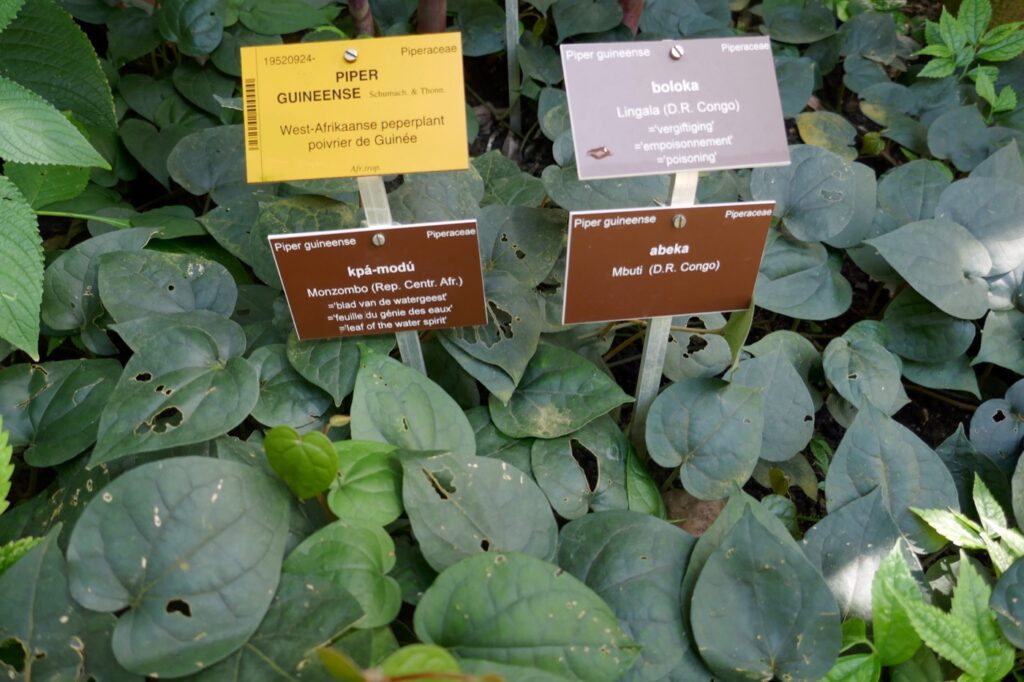
Inflammation & oxidative-stress research
Uziza Seed
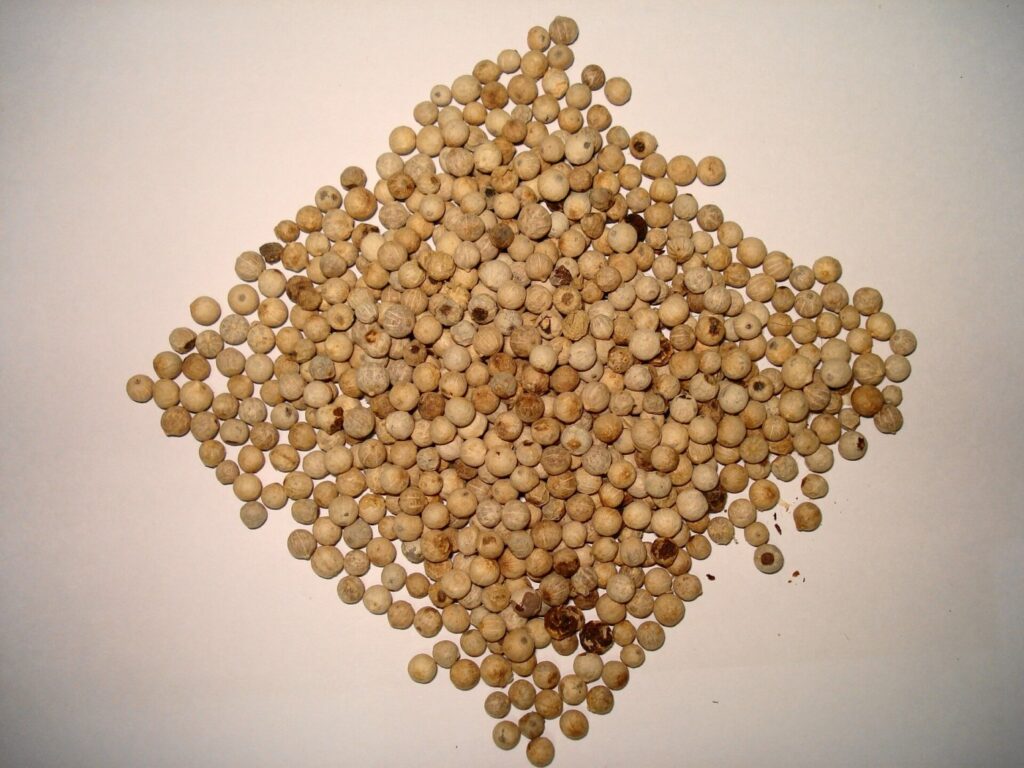
Preclinical or nutritional evidence onlyAnimal and laboratory studies have explored anti-inflammatory and antimicrobial activity of Piper guineense seed or fruit extracts. These results do not demonstrate clinical benefit in humans and do not establish…
Read evidence and sources →
How to read a field note
Evidence strength changes the meaning.
Moderate human evidence
Several relevant human studies, while limitations may remain.
Limited human evidence
Small, early or inconsistent human studies; not enough for a treatment claim.
Preclinical or nutritional evidence only
Laboratory, animal or composition research, not proof of benefit in people.
No reliable human evidence identified
A useful and honest gap, not evidence that a remedy works or does not work.
Example: bitter leaf and diabetes
Promising biology is not clinical proof.
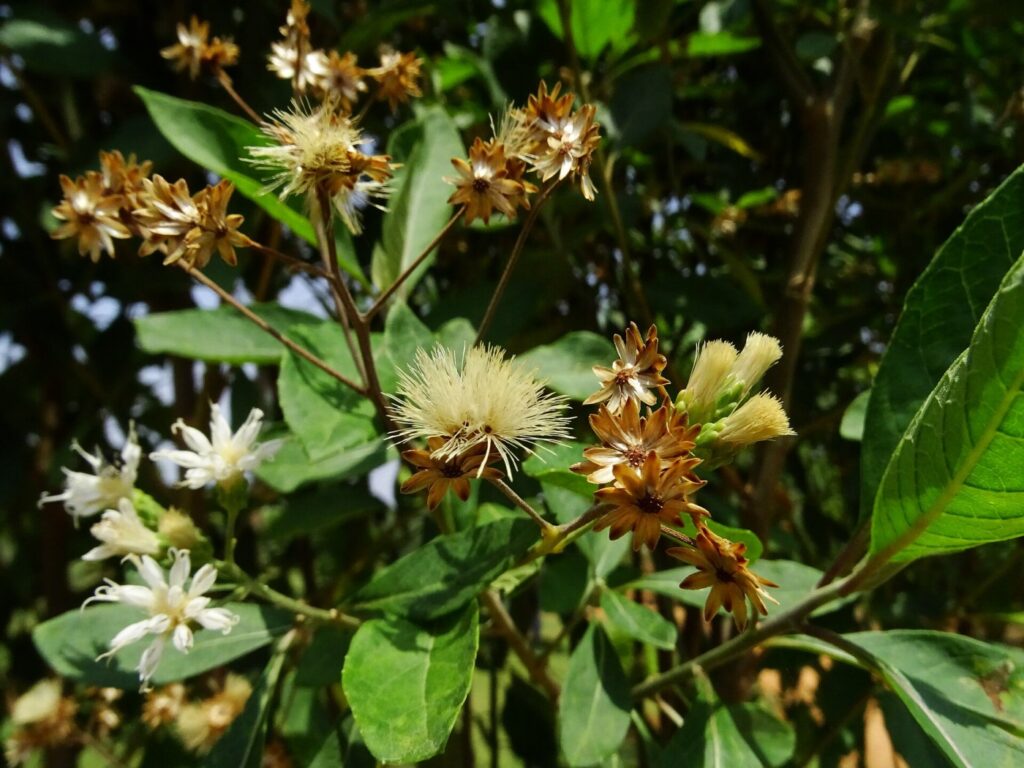
Reviews of Gymnanthemum amygdalinum (often published under Vernonia amygdalina) describe diabetes-related laboratory and animal research. That is a reason for further study, not a reason to describe bitter leaf as a diabetes treatment or to replace prescribed care.
Safety and claims guidance