Health research, handled carefully

Explore the evidence.
Keep the limits visible.

Browse what researchers have studied around Nigerian ingredients—without turning early findings, extracts or traditional use into treatment claims.

Important medical information

This is not medical advice.

NigerianSpices.com is an independent food and culture publication. It is not a healthcare provider, medical service, medicines regulator or substitute for professional care. Nothing here diagnoses, treats, cures or prevents disease.

Do not stop, start or change prescribed treatment because of this website. Ask a doctor, pharmacist or qualified healthcare professional before using herbs or supplements—especially if you have diabetes, take medicines, are pregnant or breastfeeding, or have liver or kidney problems.

Research topics

Start with a question, not a promise.

Clear topic →
5 ingredients

Blood sugar & metabolic research

Studies connected with glucose, insulin or broader metabolic markers. This is not evidence that an ingredient treats diabetes.

Explore research →
5 ingredients

Evidence gaps & traditional use

Traditional use is important cultural evidence, but it is not the same as proof of safety or clinical effectiveness.

Explore research →
2 ingredients

Fermentation research

Research into fermentation, composition and food processes—not a therapeutic recommendation.

Explore research →
1 ingredient

Food safety & allergens

Practical safety information about ingredients, allergens, handling and formulation.

Explore research →
2 ingredients

Heart & circulation research

Research involving blood pressure, lipids or cardiovascular markers, with study design and limitations kept visible.

Explore research →
5 ingredients

Inflammation & oxidative-stress research

Mostly laboratory or animal research into inflammatory or oxidative-stress markers; human outcomes may be unknown.

Explore research →
3 ingredients

Nutrition & food composition

Evidence about nutrients and food composition. Nutrient content does not by itself prove disease prevention.

Explore research →
1 ingredient

Oral-health research

Research involving oral-health outcomes, often using specific formulations rather than the ingredient as food.

Explore research →
1 ingredient

Weight & energy-metabolism research

Research into energy expenditure or body-composition measures, often using concentrated extracts.

Explore research →

Ingredient field notes

Inflammation & oxidative-stress research

5 entries

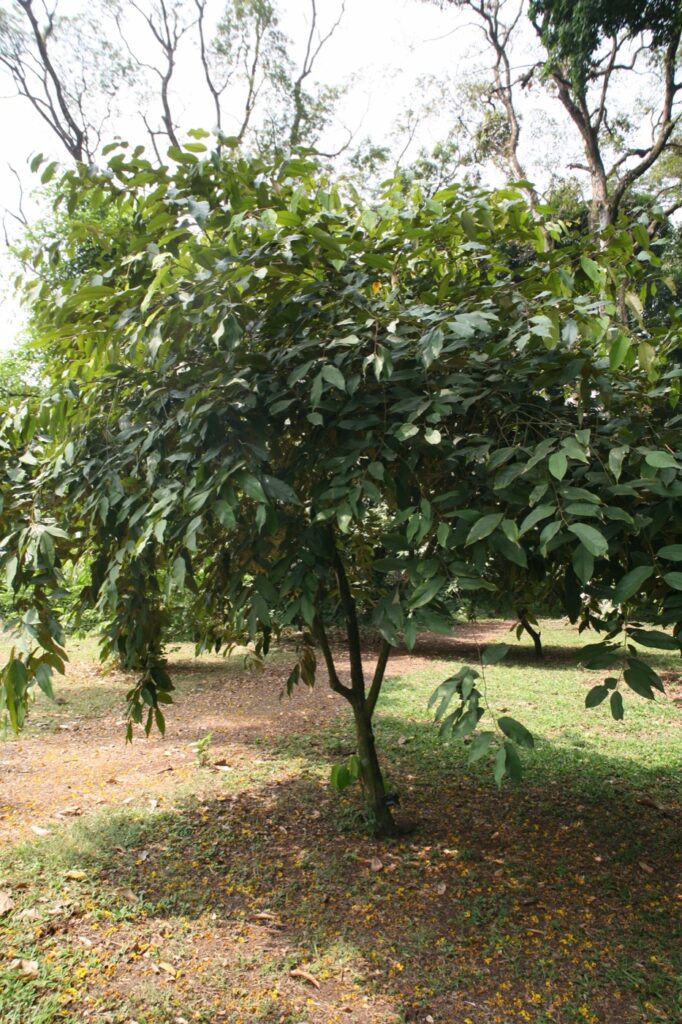
Afrostyrax lepidophyllus plant material associated with country onion

Inflammation & oxidative-stress research

Country Onion

Preclinical or nutritional evidence only

Laboratory research has measured antioxidant activity in extracts of Afrostyrax lepidophyllus leaves and bark. This is not evidence that culinary country onion prevents disease in people, and no reliable human…

Read evidence and sources →
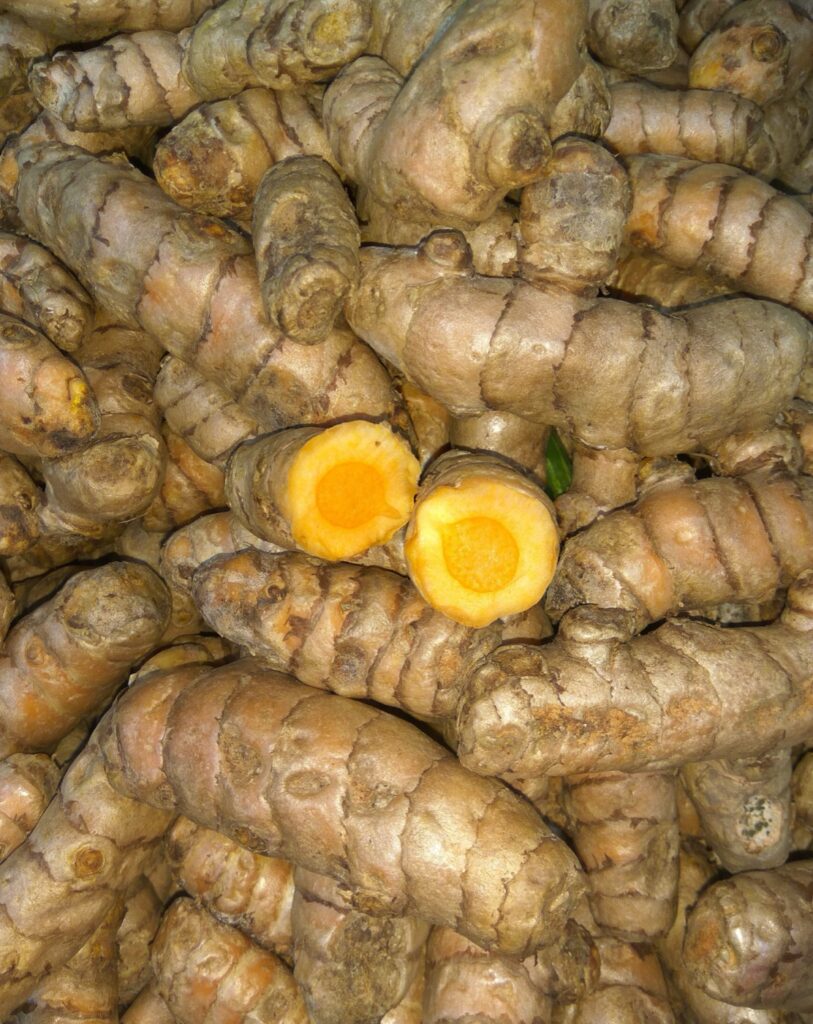
Fresh orange turmeric rhizomes

Blood sugar & metabolic research

Turmeric

Moderate human evidence

Systematic reviews of randomised trials report that curcumin or turmeric supplements may improve some metabolic and inflammatory markers, but results and evidence quality vary. Trials generally use concentrated or enhanced-bioavailability…

Read evidence and sources →
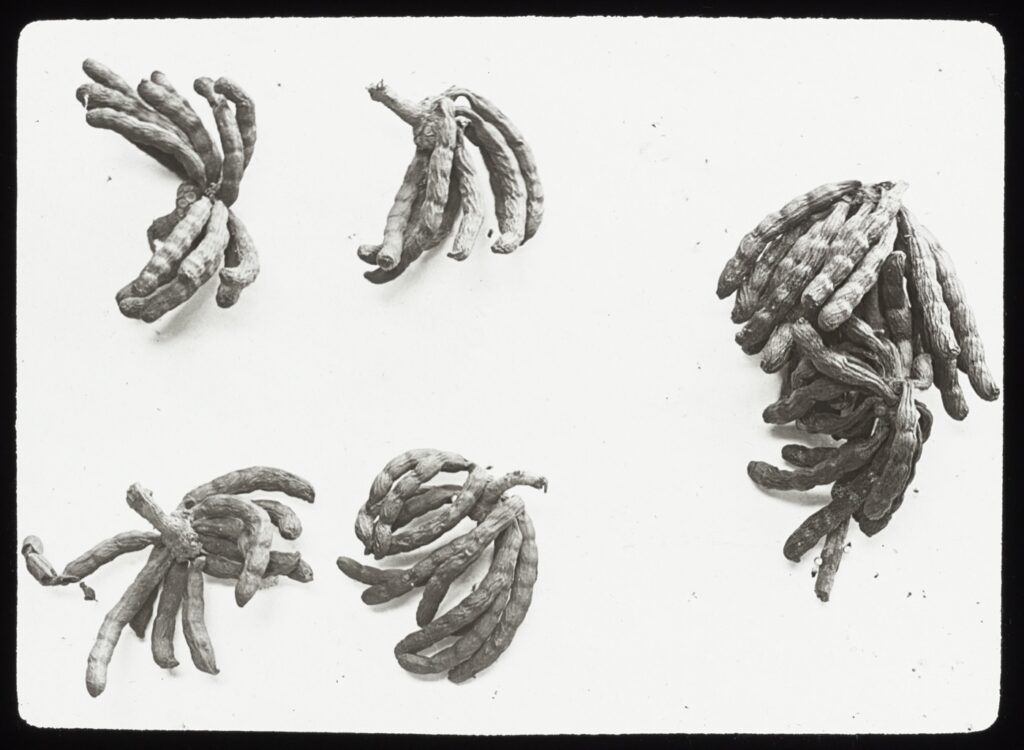
A historical study depicting dried Xylopia aethiopica uda pods

Inflammation & oxidative-stress research

Uda

Preclinical or nutritional evidence only

Studies of Xylopia aethiopica report nutrient and phytochemical composition, and laboratory or animal experiments have explored antioxidant and anti-inflammatory activity. These designs cannot establish a health benefit in people from…

Read evidence and sources →
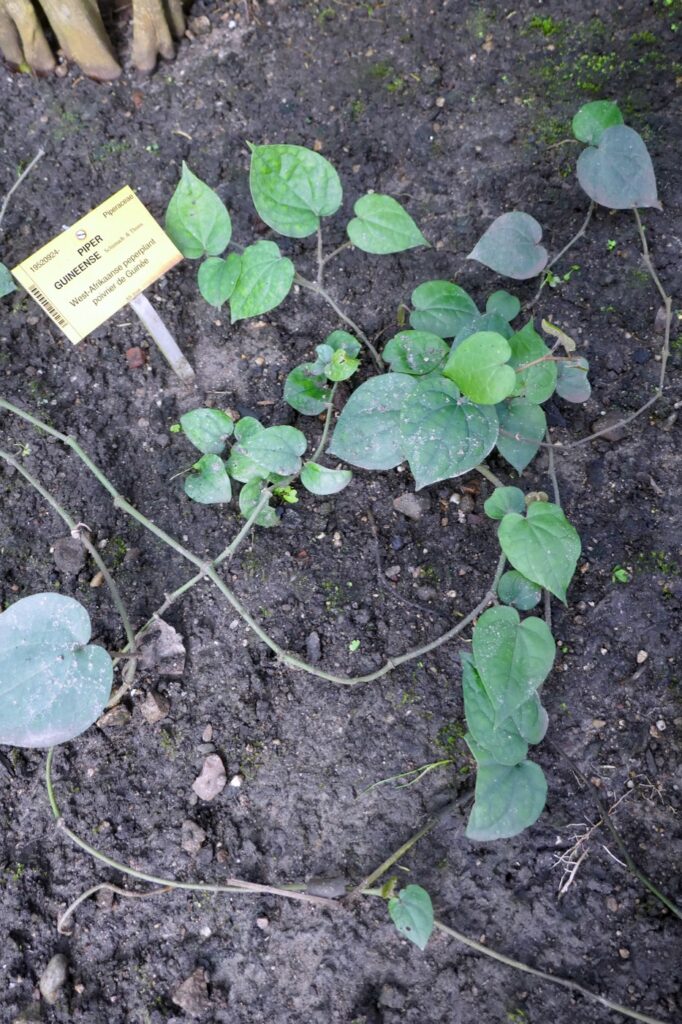
Green leaves of a Piper guineense plant

Inflammation & oxidative-stress research

Uziza Leaf

Preclinical or nutritional evidence only

Piper guineense leaves contain compounds of scientific interest, but the available evidence for anti-inflammatory or antimicrobial effects is largely from extracts, cell systems or animals. A rat inflammation study cannot…

Read evidence and sources →
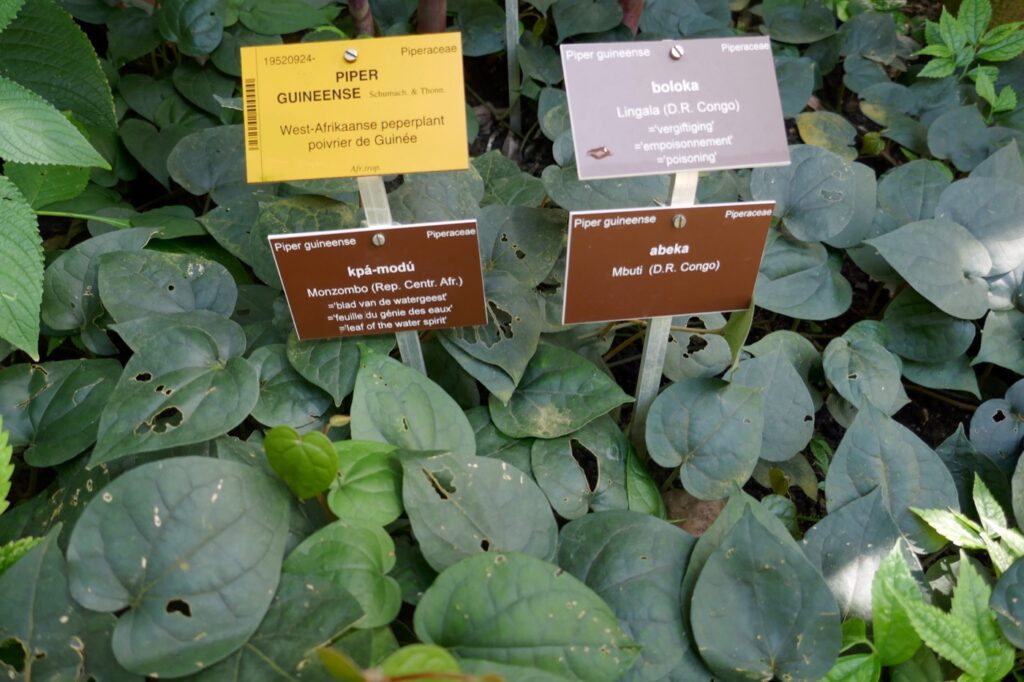
A labelled Piper guineense plant; the seed is documented separately in the field note

Inflammation & oxidative-stress research

Uziza Seed

Preclinical or nutritional evidence only

Animal and laboratory studies have explored anti-inflammatory and antimicrobial activity of Piper guineense seed or fruit extracts. These results do not demonstrate clinical benefit in humans and do not establish…

Read evidence and sources →

How to read a field note

Evidence strength changes the meaning.

Moderate human evidence

Several relevant human studies, while limitations may remain.

Limited human evidence

Small, early or inconsistent human studies; not enough for a treatment claim.

Preclinical or nutritional evidence only

Laboratory, animal or composition research—not proof of benefit in people.

No reliable human evidence identified

A useful and honest gap, not evidence that a remedy works or does not work.

Example: bitter leaf and diabetes

Promising biology is not clinical proof.

Reviews of Gymnanthemum amygdalinum (often published under Vernonia amygdalina) describe diabetes-related laboratory and animal research. That is a reason for further study—not a reason to describe bitter leaf as a diabetes treatment or to replace prescribed care.