
Pod spice
Uda
Grains of Selim
Xylopia aethiopica
Uda is the Nigerian spice commonly called grains of Selim: a dried Xylopia aethiopica fruit with a smoky, peppery aroma for pepper soup and broths.
Ingredient record
Names & identity
Names can vary by language, market and region. Only reviewed names are displayed here.
| Nigerian/common name | Uda |
|---|---|
| English/common name | Grains of Selim |
| Botanical name | Xylopia aethiopica |
| IgboSouth-eastern Nigeria | UdaName and botanical pairing supported by Nigerian university food-science sources. |
| Also known as | Ethiopian pepper, Negro pepper |
What is Uda?
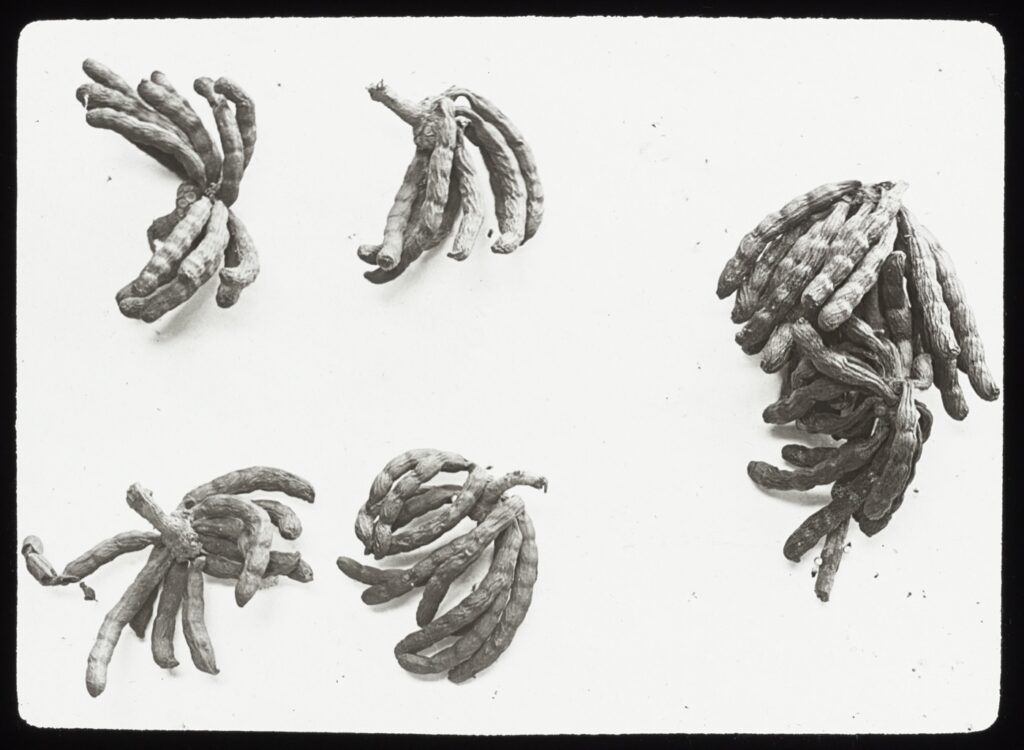
Uda is the dried aromatic fruit of Xylopia aethiopica. In English-language food writing it is commonly called grains of Selim; Ethiopian pepper and Negro pepper also appear as market names. The long, narrow fruit is used in broths and pepper-soup preparations and is different from uziza.
What is Uda called in English?
The clearest English/common name is grains of Selim. Ethiopian pepper and Negro pepper may also appear in shops and references, but the botanical name Xylopia aethiopica gives the most reliable identity.
Flavour & identification
What does it taste like?
Smoky, peppery and slightly bitter
Aroma
Woody and resinous
What does it look like?
Whole uda is usually sold as a slender, dark brown to black pod with visible constrictions around the seeds. The dried fruit is woody rather than soft like a fresh chilli.
Using Uda in Nigerian cooking
How is it used?
Use whole in broths and remove before serving, or grind in measured amounts.
Which dishes use it?
Pepper soup
Aromatic meat and fish broths
Regional soup spice blends
How do you prepare it?
Use the pod whole and remove it after simmering, or break it and grind it with other aromatics. A brief dry toast can intensify the aroma, but avoid scorching it.
How much should you use?
Start with one small pod in a medium pot of broth, then adjust. Size, age and strength vary, so one fixed measurement is not universal.
Whole vs ground
Whole pods keep their aroma longer and are easier to remove from a broth. Ground uda disperses quickly and should be added in smaller amounts.
Buying, storing & substituting
How to store it
Keep whole pods dry and airtight.
Possible substitutes
There is no exact substitute. A small amount of a smoky, peppery spice can replace part of the effect, but it will not reproduce uda's woody aroma.
Supporting research
Ingredient research
Studies of Xylopia aethiopica report nutrient and phytochemical composition, and laboratory or animal experiments have explored antioxidant and anti-inflammatory activity. These designs cannot establish a health benefit in people from normal culinary use. Human trials and clearer dose and safety data are still needed.
Sources & further reading
Reviewed by Nigerian Spices editorial desk, 22 September 2026.
Navigate the flavour map
Related & compared
Related ingredients
Commonly confused with
Continue exploring
Related Nigerian ingredients
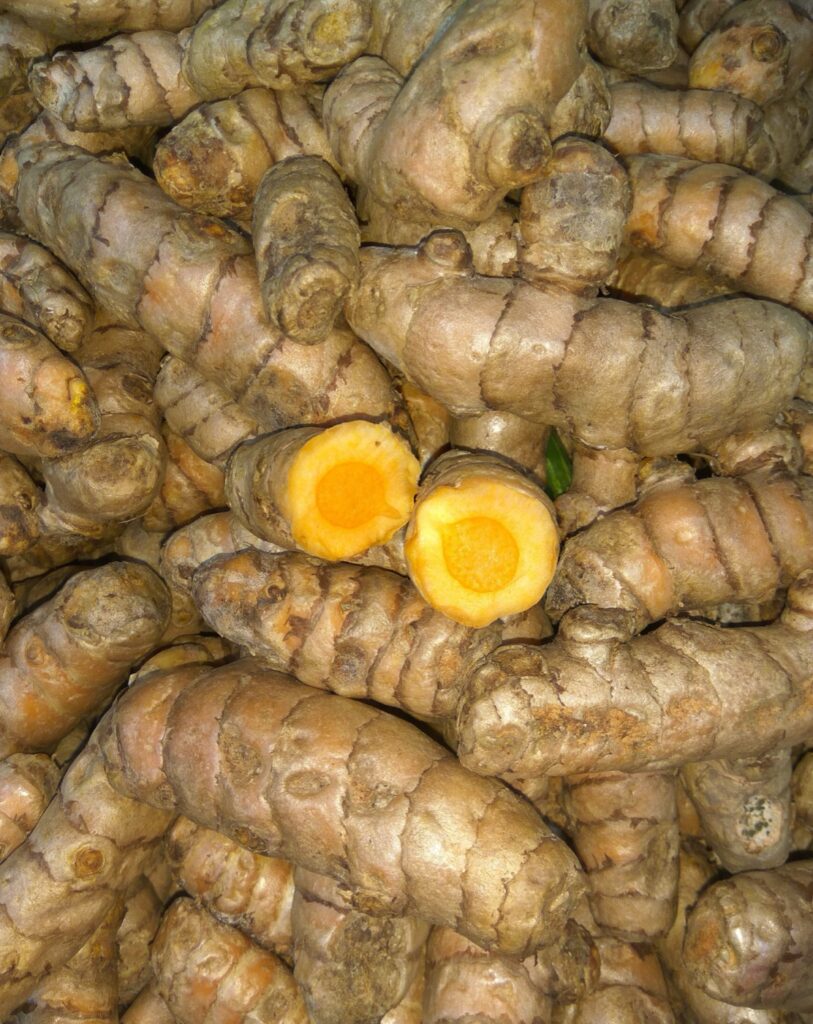
Root
Widely used in Nigerian cookingTurmeric
Earthy • Warming
A golden rhizome used fresh or ground for earthy flavour and vivid colour.
Explore Turmeric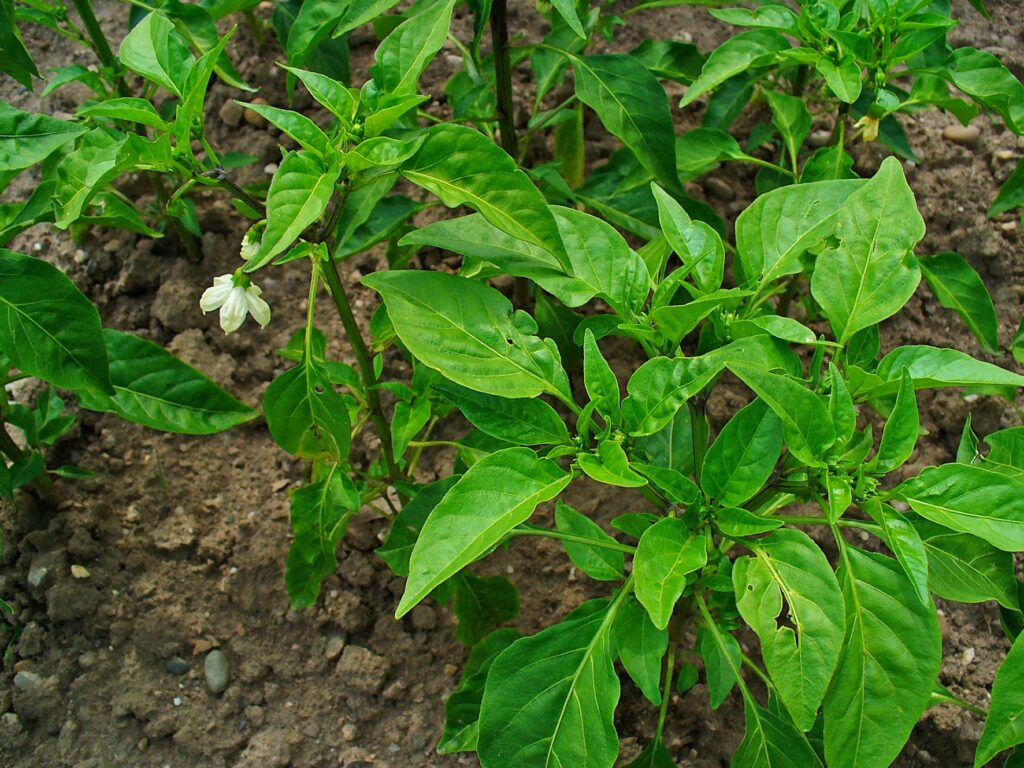
Fresh Pepper
Shombo
Long red pepper; cayenne-type pepper
Peppery · Medium to hot heat
Shombo is a long Nigerian red pepper, often compared with cayenne-type pepper, used for red-chilli flavour and variable heat in pepper bases.
Explore Shombo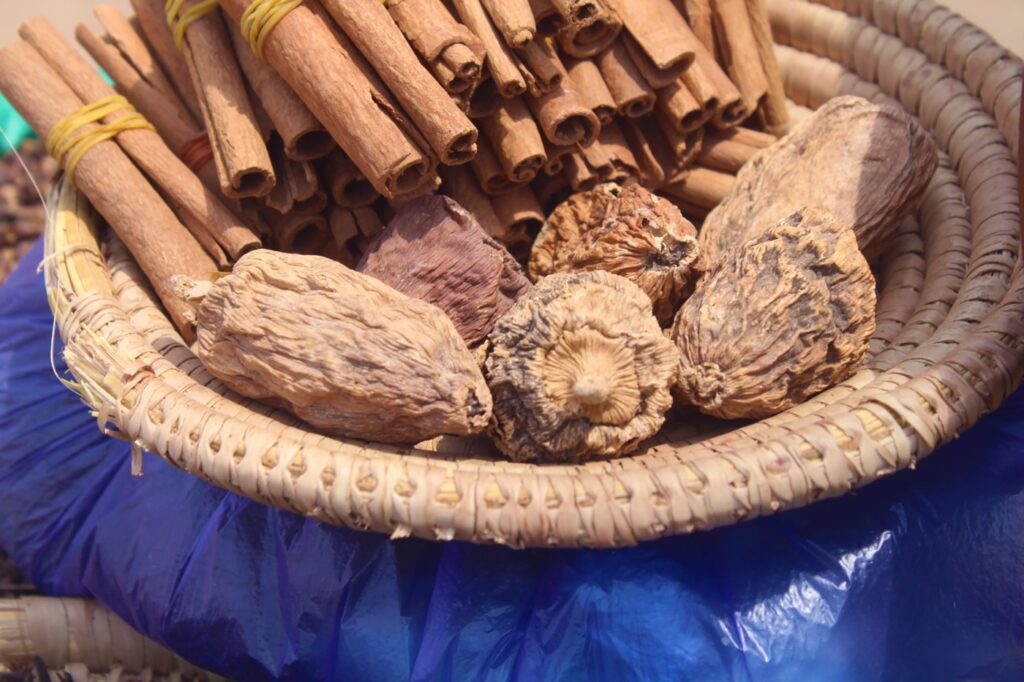
Seed spice
Alligator Pepper
Aromatic • Peppery · Medium heat
A pungent, aromatic seed spice used in cooking and in cultural contexts across parts of Nigeria.
Explore Alligator PepperKnow another name for this ingredient? Corrections and naming suggestions are reviewed before publication.
Suggest a correction →