
Nigerian ingredient guide
What gives Nigerian pepper soup its distinctive flavour?
Pepper soup is more than chilli heat: aromatic fruits, seeds, leaves and a carefully built broth create its character.
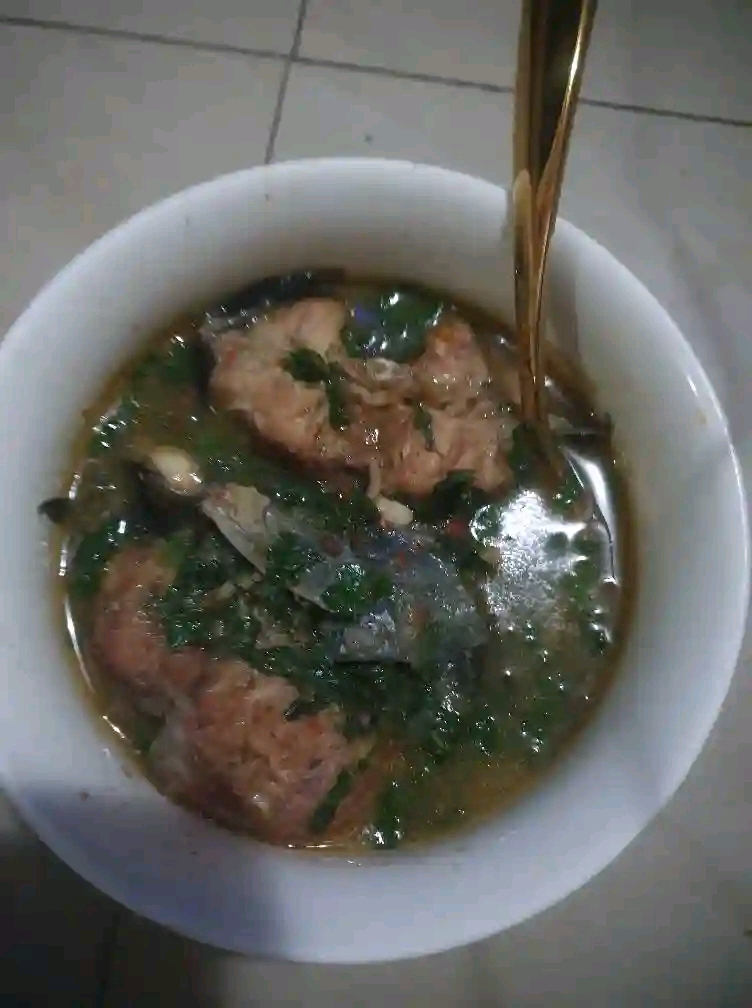
The name pepper soup suggests heat, but chilli alone does not create its distinctive aroma. Pepper soup is a family of Nigerian broths shaped by the protein, the spice mixture, the finishing leaves and the cook’s regional practice.
Heat and aroma are separate decisions
A hot pepper such as ata rodo or a dried seasoning such as Cameroon pepper supplies direct heat. Aromatic ingredients do different work. Uda can bring smoke and wood, ehuru warm perfume and uziza seed a peppery bite. See the Uda vs Uziza vs Ehuru comparison for photographs and identification.
There is no single universal blend
A packet labelled pepper-soup spice may be convenient, but its ingredient list matters. Producers, households and regions use different combinations. Salt and chilli may already be present, so adding seasoning blindly can make the broth harsh.
The broth needs time
Whole pods and fruits release aroma during simmering. Ground spices work faster but are harder to remove and easier to overuse. Building the broth gradually allows the cook to correct heat, salt and aroma separately.
Leaves finish rather than replace the blend
Scent leaf, uziza leaf or a small amount of utazi may appear in particular preparations. Compare them in the Nigerian soup leaves guide.
Use the Nigerian pepper soup recipe guide as a flexible sequence, then follow the linked ingredient records to understand what each component contributes.