
Seed spice
Ehuru
African nutmeg
Monodora myristica
A fragrant seed spice commonly described as African nutmeg and used in soups and spice blends.
Ingredient record
Names & identity
Names can vary by language, market and region. Only reviewed names are displayed here.
| Nigerian/common name | Ehuru |
|---|---|
| English/common name | African nutmeg |
| Botanical name | Monodora myristica |
| IgboSouth-eastern Nigeria | EhuruAlso spelt EhiriAlternative spelling varies in markets and recipe writing. |
| Also known as | Calabash Nutmeg, African Nutmeg |
What is Ehuru?
Ehuru is the aromatic seed of Monodora myristica, a tropical African tree. The seed is used for its warm fragrance in soups, broths and spice mixtures. It is not the same plant as ordinary nutmeg, Myristica fragrans.
What is Ehuru called in English?
African nutmeg and calabash nutmeg are descriptive common names. They refer to the seed's nutmeg-like aroma, not to a close botanical identity with ordinary nutmeg.
Flavour & identification
What does it taste like?
Warm, woody and lightly sweet
Aroma
Nutmeg-like and aromatic
What does it look like?
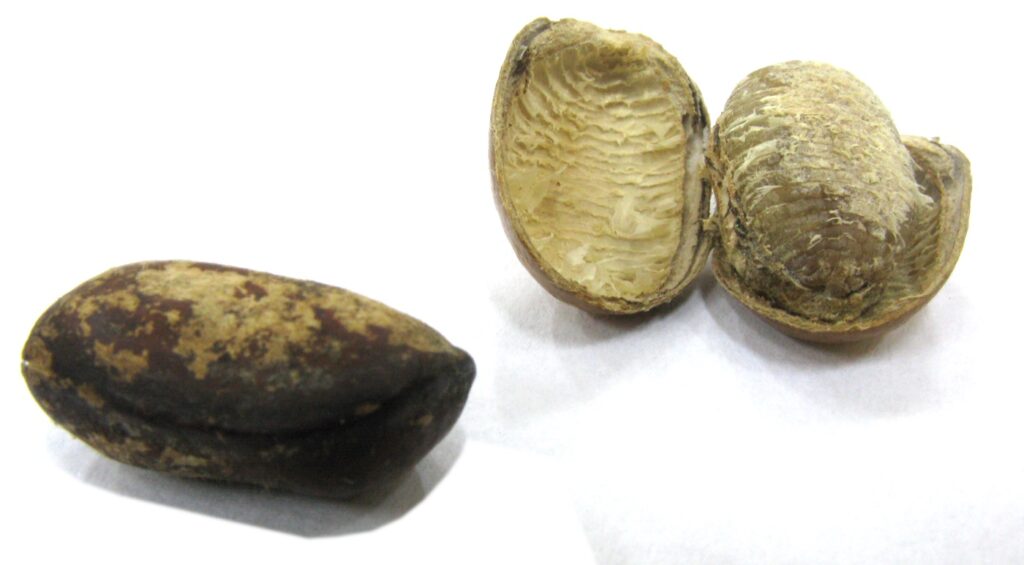
The hard, dark seed is commonly sold whole. Depending on processing, it may retain a shell that is removed after warming or cracking.
Using Ehuru in Nigerian cooking
How is it used?
Toast gently if desired, remove the shell where appropriate, then grind the seed.
Which dishes use it?
Pepper soup
Banga-style spice blends
Aromatic meat broths
How do you prepare it?
Warm the seed gently, crack away any hard shell and grind the aromatic kernel. Grinding shortly before use preserves more fragrance.
How much should you use?
Begin with a small amount of freshly ground seed. Its perfume can become dominant, and strength varies with freshness.
Whole vs ground
Whole seeds retain aroma better. Ground ehuru is convenient but loses fragrance faster and should be stored carefully.
Buying, storing & substituting
How to store it
Store whole and dry for the best aroma.
Possible substitutes
Ordinary nutmeg can provide warmth but is not a true substitute. Use less than you think you need and expect a different aroma.
Supporting research
Ingredient research
Food-composition studies of Monodora myristica seeds report protein, amino acids and other nutrients, with processing changing the measured profile. Antioxidant findings are from laboratory assays, not clinical outcomes. These studies support nutritional interest but do not establish a therapeutic benefit from culinary portions.
Sources & further reading
Reviewed by Nigerian Spices editorial desk, 27 August 2026.
Navigate the flavour map
Related & compared
Related ingredients
Commonly confused with
Continue exploring
Related Nigerian ingredients
International Spice
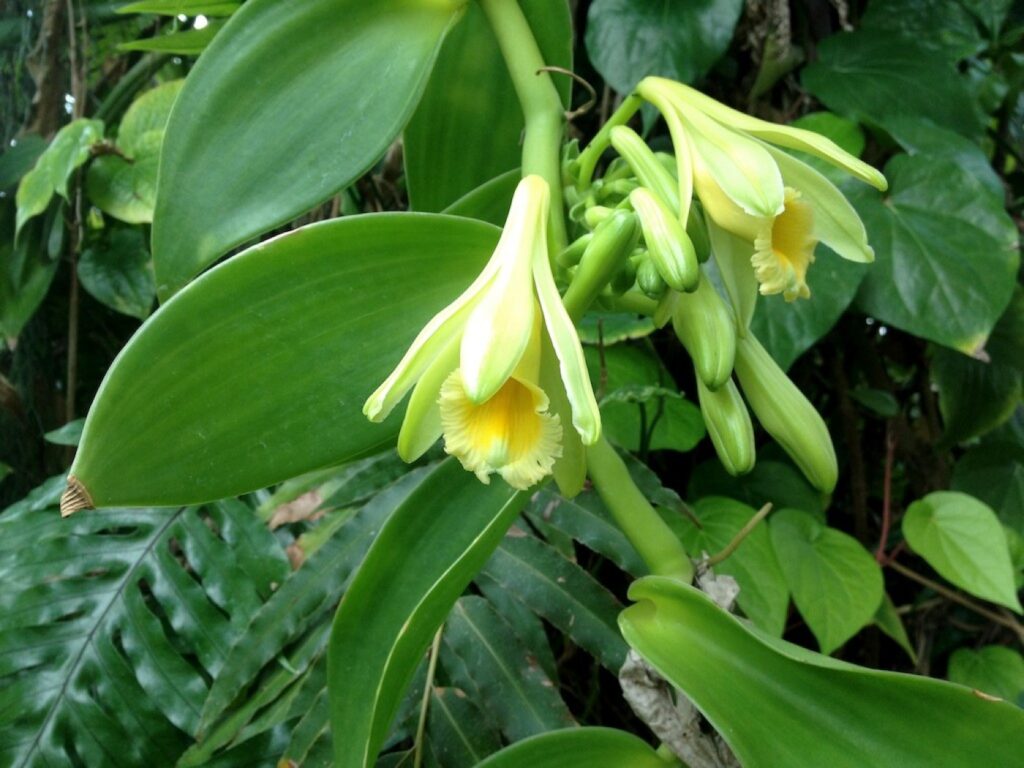
Widely used in Nigerian cookingVanilla
Aromatic • Sweet
An aromatic flavouring from cured vanilla pods, used in drinks, desserts and baking.
Explore Vanilla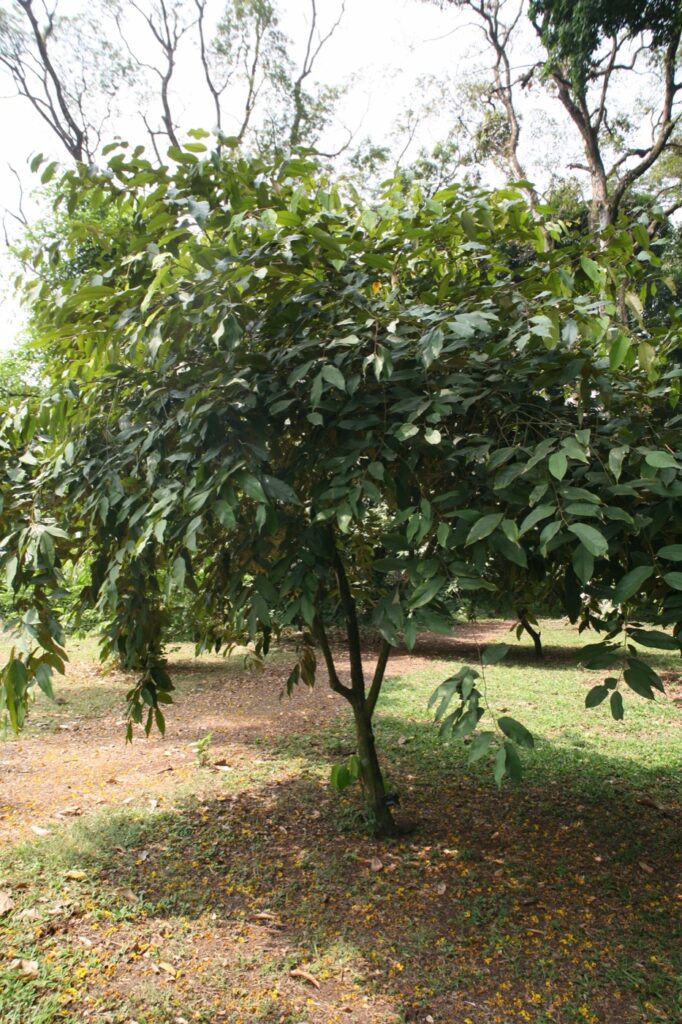
Aromatic
Country Onion
Aromatic • Savoury
Country onion in Nigeria is an aromatic seasoning associated with Afrostyrax lepidophyllus. See its forms, flavour, uses and identity caveats.
Explore Country Onion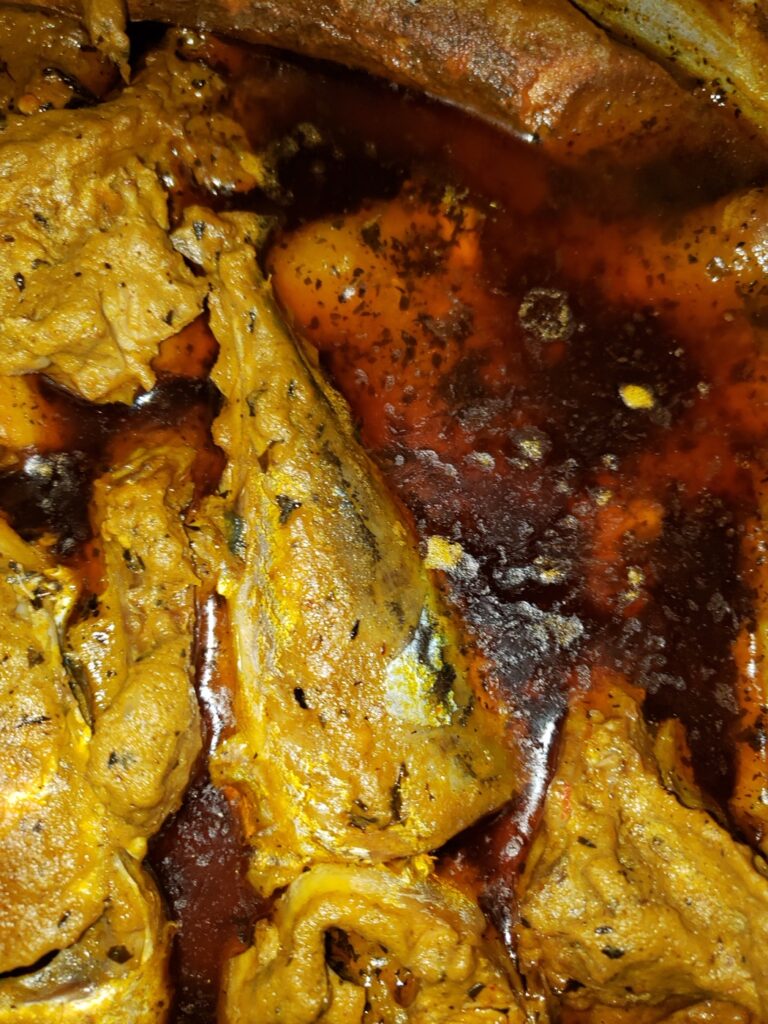
Seasoning Blend
Seasoning blendBanga Spice
Aromatic • Savoury · Mild heat
A family of aromatic spice blends associated with palm-fruit soups and stews.
Explore Banga SpiceKnow another name for this ingredient? Corrections and naming suggestions are reviewed before publication.
Suggest a correction →