
Fresh Pepper
Ata Rodo
Hot pepper
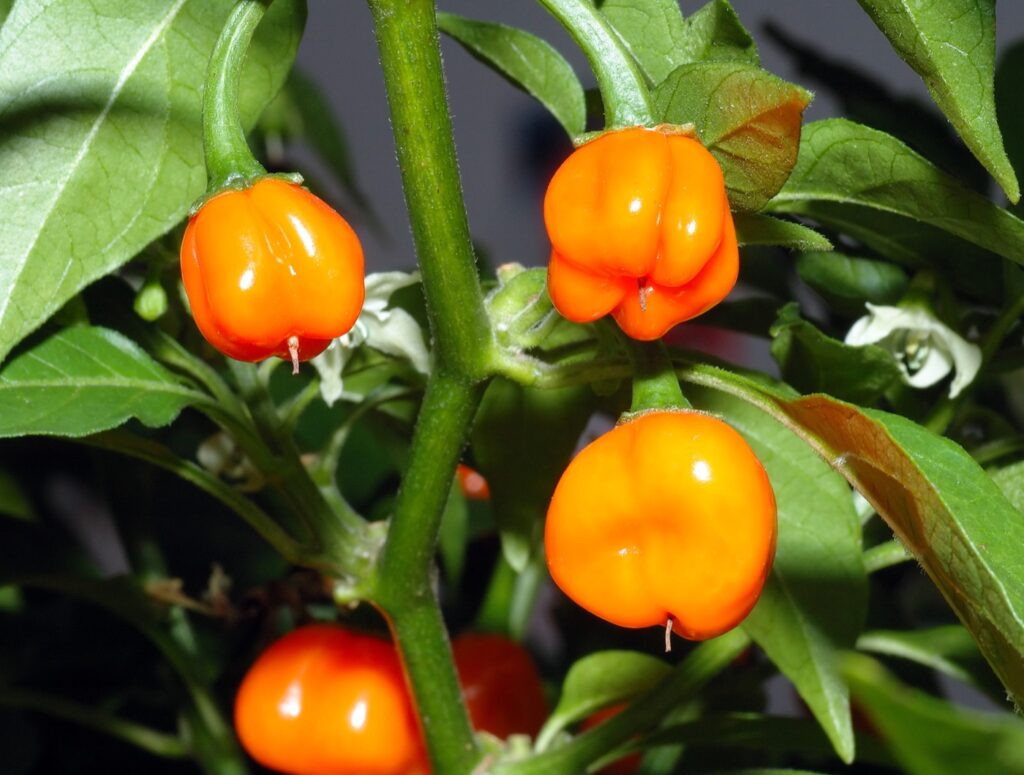
A fresh hot pepper central to many Nigerian stews, sauces and soups.
Ingredient record
Names & identity
Names can vary by language, market and region. Only reviewed names are displayed here.
| Nigerian/common name | Ata Rodo |
|---|---|
| English/common name | Hot pepper |
| YorubaSouth-western Nigeria | Ata rodoA culinary market term that can cover more than one hot-pepper cultivar. |
What is Ata Rodo?
Ata rodo is a Yoruba market and kitchen name for a fresh, very hot pepper used in Nigerian stews, soups and sauces. The name does not always identify one cultivar, so this record does not force a single botanical variety.
Flavour & identification
What does it taste like?
Hot, fruity and bright
What does it look like?
Common market forms are small to medium lantern-shaped peppers in green, orange or red, but shape and colour vary.
Using Ata Rodo in Nigerian cooking
How is it used?
Blend into pepper bases or add carefully to soups and sauces.
Which dishes use it?
Tomato stew
Jollof rice pepper base
Pepper soup
Sauces
How do you prepare it?
Remove stalks, wash and blend or chop. Wear gloves for large quantities and avoid touching the eyes.
How much should you use?
Add according to the heat of the actual pepper and the tolerance of the people eating. Start low.
Buying, storing & substituting
How to store it
Refrigerate fresh peppers and use promptly, or freeze for longer storage.
Possible substitutes
A Scotch bonnet or habanero-type pepper can give comparable heat, but cultivar flavour varies.
Supporting research
Ingredient research
Hot peppers contain capsaicinoids, but research usually studies measured capsaicin supplements or broad chilli intake rather than ata rodo itself. Reviews of human studies report mixed or low-certainty cardiometabolic findings. Culinary use can contribute flavour and micronutrients, but it should not be presented as a treatment.
Sources & further reading
This entry remains in research. No unsupported source is displayed.
Navigate the flavour map
Related & compared
Continue exploring
Related Nigerian ingredients
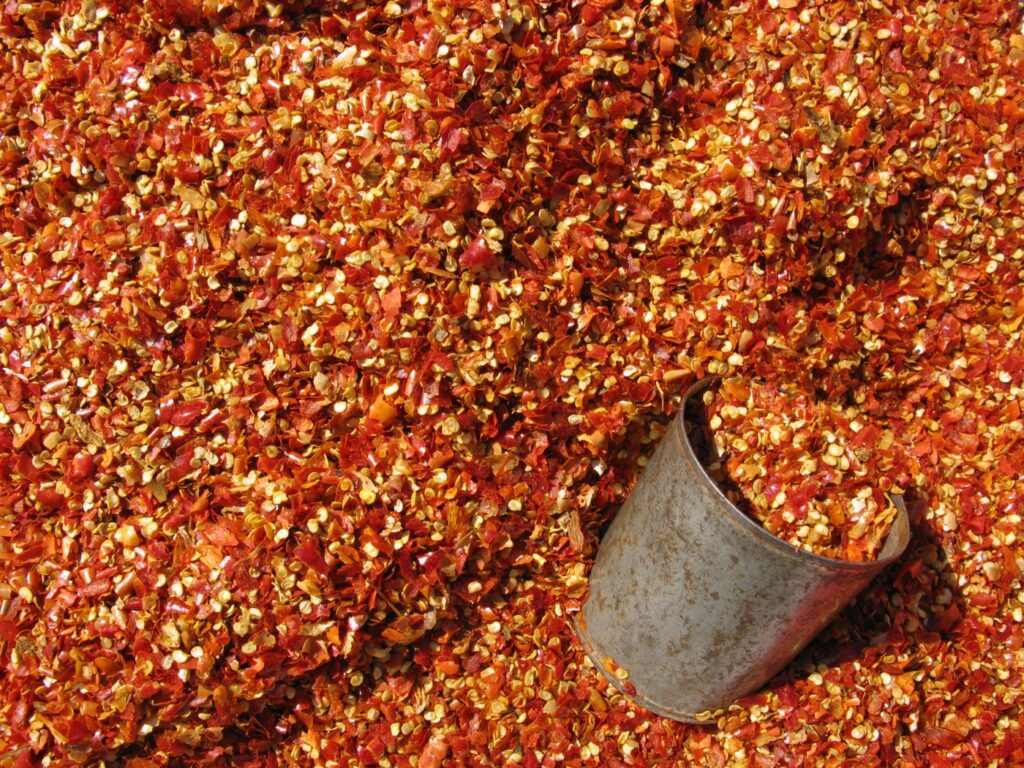
Dried Pepper
Cameroon Pepper
Hot • Smoky · Very hot heat
A very hot dried pepper seasoning valued for its concentrated, often smoky character.
Explore Cameroon Pepper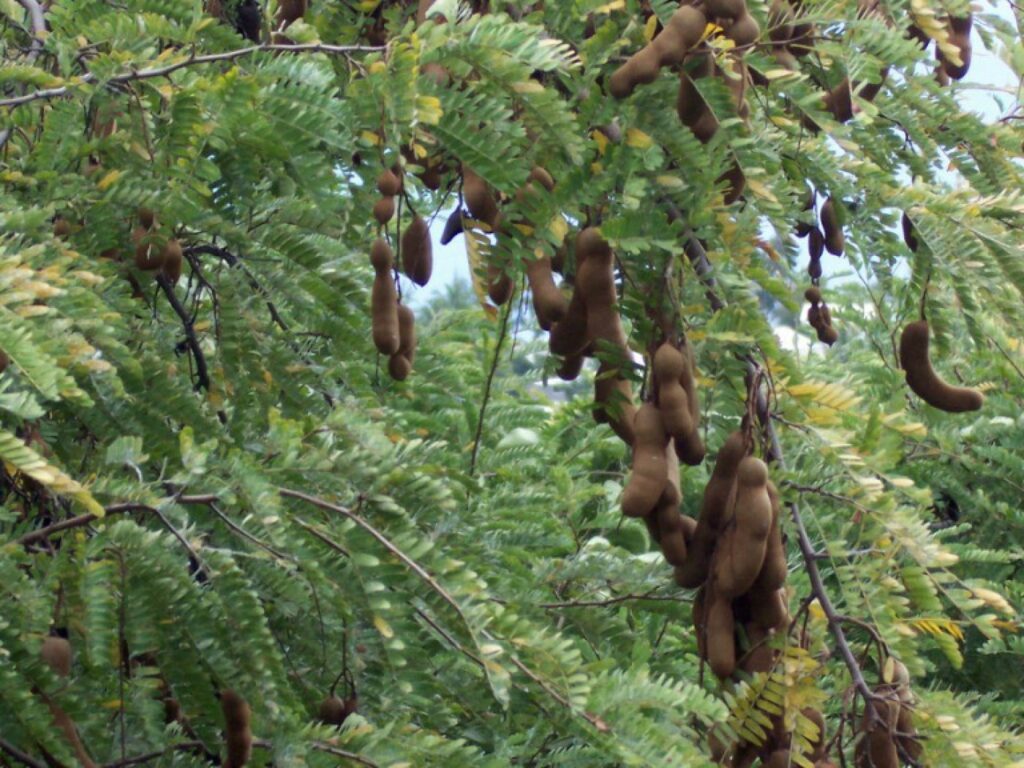
Fruit
Tamarind
Fruity • Tangy
A tangy fruit ingredient used to add sourness and depth to drinks, sauces and dishes.
Explore Tamarind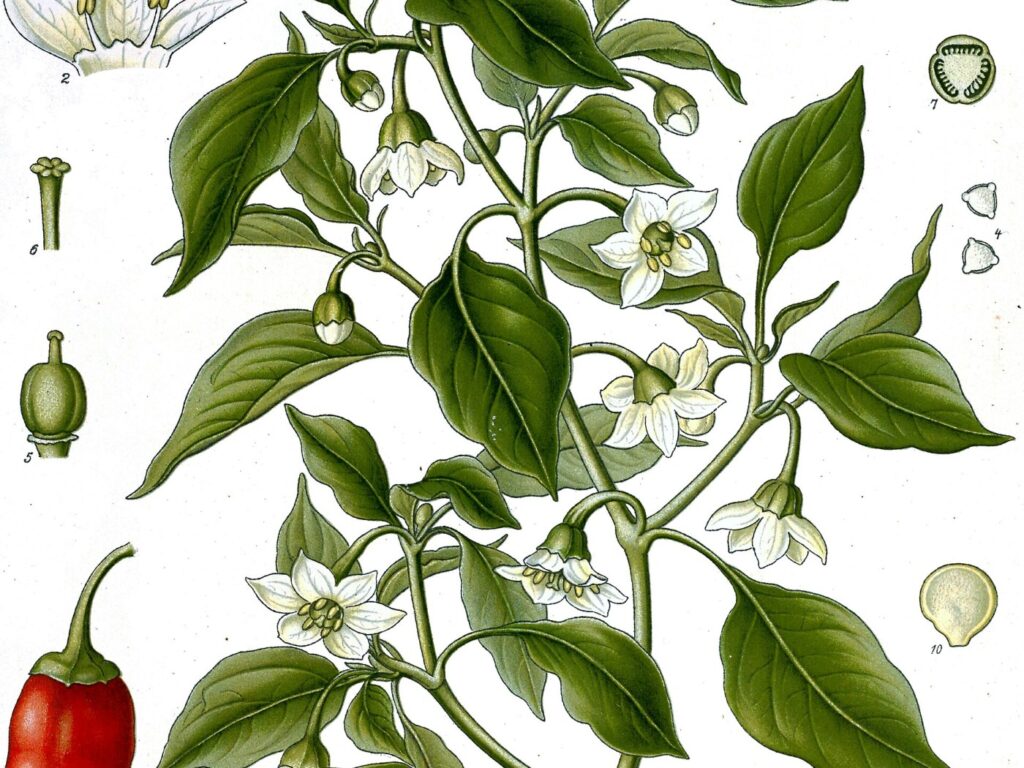
International Spice
Widely used in Nigerian cookingCayenne Pepper
Hot
A hot ground red-pepper seasoning used to add direct heat to dishes and blends.
Explore Cayenne PepperKnow another name for this ingredient? Corrections and naming suggestions are reviewed before publication.
Suggest a correction →