
Seed spice
Alligator Pepper
A pungent, aromatic seed spice used in cooking and in cultural contexts across parts of Nigeria.
Ingredient record
Names & identity
Names can vary by language, market and region. Only reviewed names are displayed here.
| Nigerian/common name | Alligator Pepper |
|---|
What is Alligator Pepper?
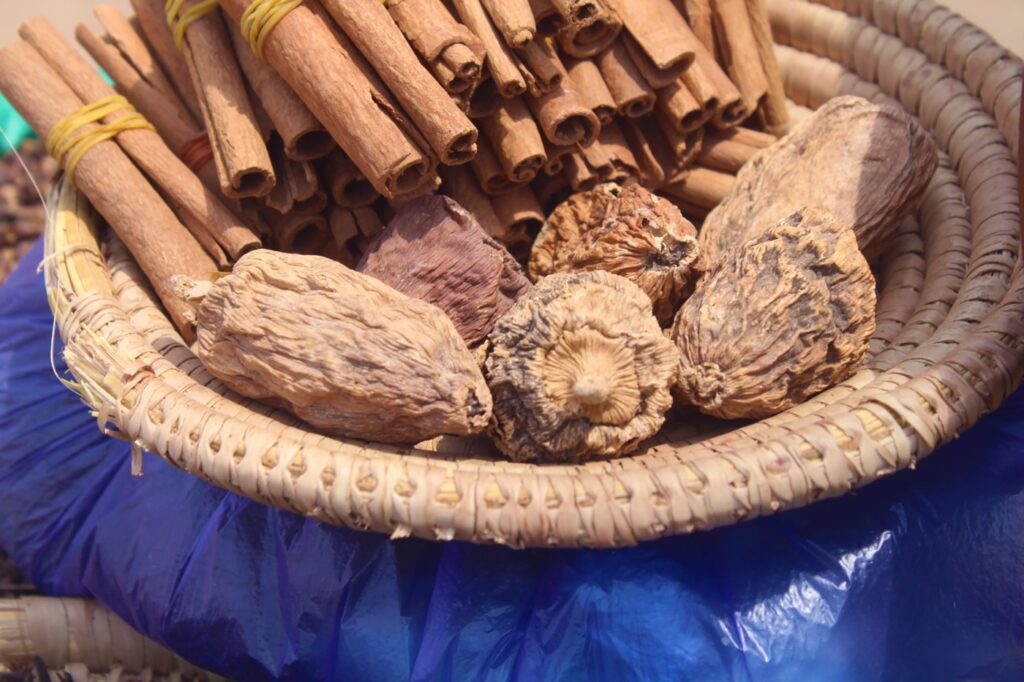
Alligator pepper is a pungent seed spice sold under a market name that can cover more than one Aframomum species. This page keeps the botanical identity open until a specific sample or source supports it.
Flavour & identification
What does it taste like?
Peppery, warm and aromatic
Aroma
Resinous and warming
What does it look like?
The seeds are small and brown, usually removed from a textured pod. Pod and seed appearance can vary between related species.
Using Alligator Pepper in Nigerian cooking
How is it used?
Crush or grind in small quantities before adding to savoury dishes.
Which dishes use it?
Seasoning blends
Selected soups and broths
How do you prepare it?
Remove the seeds from the pod and crush or grind shortly before use.
How much should you use?
Use sparingly and build gradually because the peppery intensity varies.
Buying, storing & substituting
How to store it
Keep dry in an airtight container away from direct light.
Possible substitutes
Grains of paradise may be related in flavour but should not be presented as automatically identical.
Supporting research
Ingredient research
Alligator pepper is a market name applied to more than one Aframomum species. Because the botanical identity of a purchased spice may be unclear, research on grains of paradise or a named extract should not be transferred to this ingredient. No reliable human clinical evidence specific to the culinary product was identified in this review.
Sources & further reading
Navigate the flavour map
Related & compared
Commonly confused with
Continue exploring
Related Nigerian ingredients
International Spice
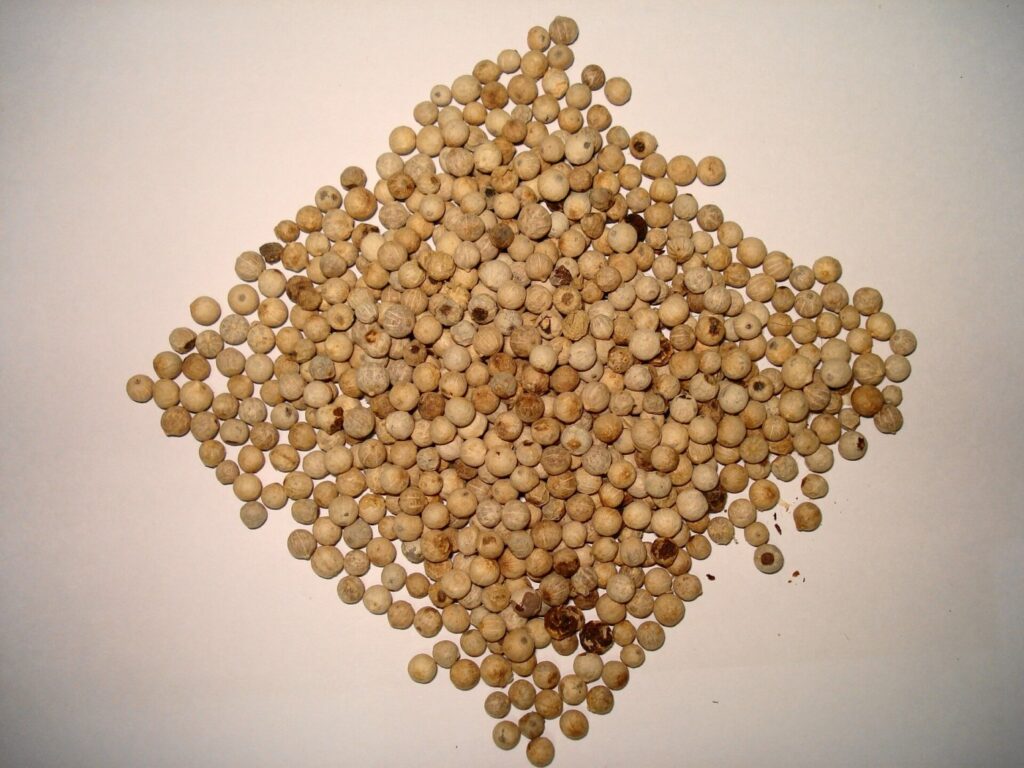
Widely used in Nigerian cookingWhite Pepper
Earthy • Peppery
A pepper spice used for focused heat and a distinctive fermented-earthy aroma.
Explore White Pepper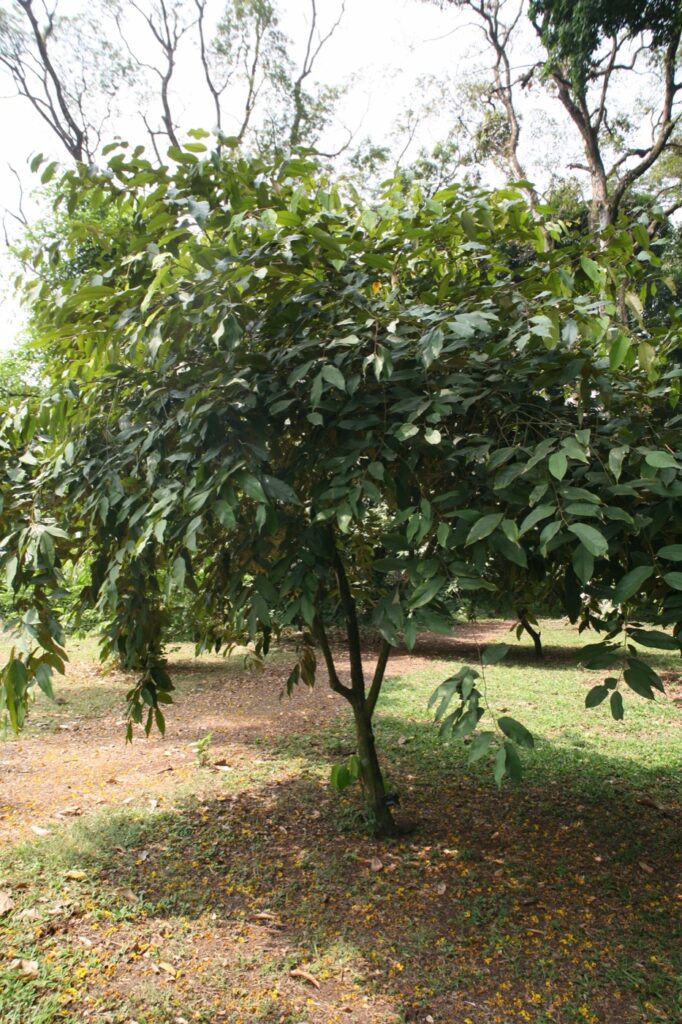
Aromatic
Country Onion
Aromatic • Savoury
Country onion in Nigeria is an aromatic seasoning associated with Afrostyrax lepidophyllus. See its forms, flavour, uses and identity caveats.
Explore Country Onion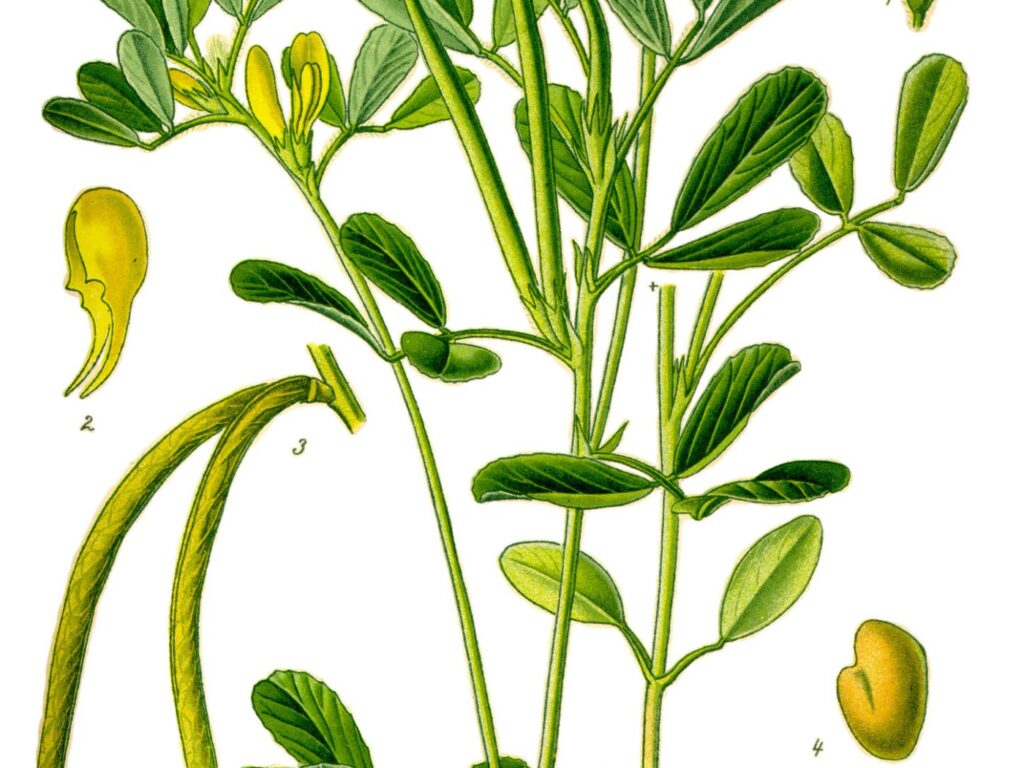
International Spice
Widely used in Nigerian cookingFenugreek
Aromatic • Bitter
A distinctive seed and leaf ingredient used in spice blends and selected contemporary dishes.
Explore FenugreekKnow another name for this ingredient? Corrections and naming suggestions are reviewed before publication.
Suggest a correction →