
Fermented seasoning
Iru
Fermented locust beans
Parkia biglobosa
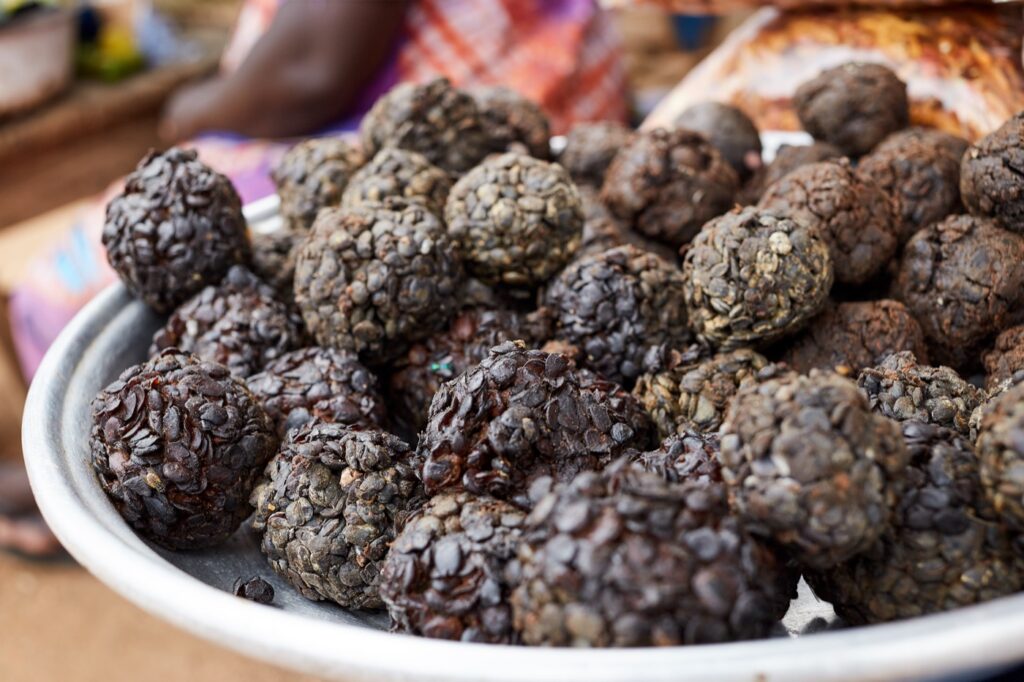
Fermented locust beans that contribute a powerful savoury aroma and depth to many dishes.
Ingredient record
Names & identity
Names can vary by language, market and region. Only reviewed names are displayed here.
| Nigerian/common name | Iru |
|---|---|
| English/common name | Fermented locust beans |
| Botanical name | Parkia biglobosa |
| YorubaSouth-western Nigeria | IruThe form and fermentation style vary between products. |
| Also known as | Locust bean seasoning |
What is Iru?
Iru is a fermented seasoning made from African locust bean seeds, commonly linked with Parkia biglobosa. Fermentation creates its assertive aroma and deep savoury taste. It is a seasoning ingredient, not a dry spice.
Flavour & identification
What does it taste like?
Deeply savoury and umami-rich
Aroma
Strong and fermented
What does it look like?
Iru may be sold as separate dark brown beans, a softer mass or a packaged product. Salt, moisture and texture vary by producer.
Using Iru in Nigerian cooking
How is it used?
Add a small amount during cooking so its flavour can disperse through the dish.
Which dishes use it?
Efo riro
Egusi soup
Ogbono soup
Stews and vegetable soups
How do you prepare it?
Rinse if appropriate for the product, then add during cooking so the flavour spreads through the dish. Follow packaging guidance for prepared products.
How much should you use?
Begin with a small spoonful. Fermentation strength and salt vary widely.
Buying, storing & substituting
How to store it
Follow the producer's guidance; keep fresh products chilled where appropriate.
Possible substitutes
Dawadawa is closely related as a fermented locust-bean seasoning, but regional styles and processing can differ. Miso adds umami but is not culturally or botanically equivalent.
Supporting research
Ingredient research
Analyses of fermented Parkia biglobosa seeds report protein, fat and amino acids, while fermentation can reduce some antinutritional factors. Composition varies by seed, process and producer, and nutrient analysis is not proof of disease prevention. Research reviews also identify substantial gaps in the available composition data.
Sources & further reading
Reviewed by Nigerian Spices editorial desk, 27 August 2026.
Navigate the flavour map
Related & compared
Continue exploring
Related Nigerian ingredients
Other Culinary Flavouring
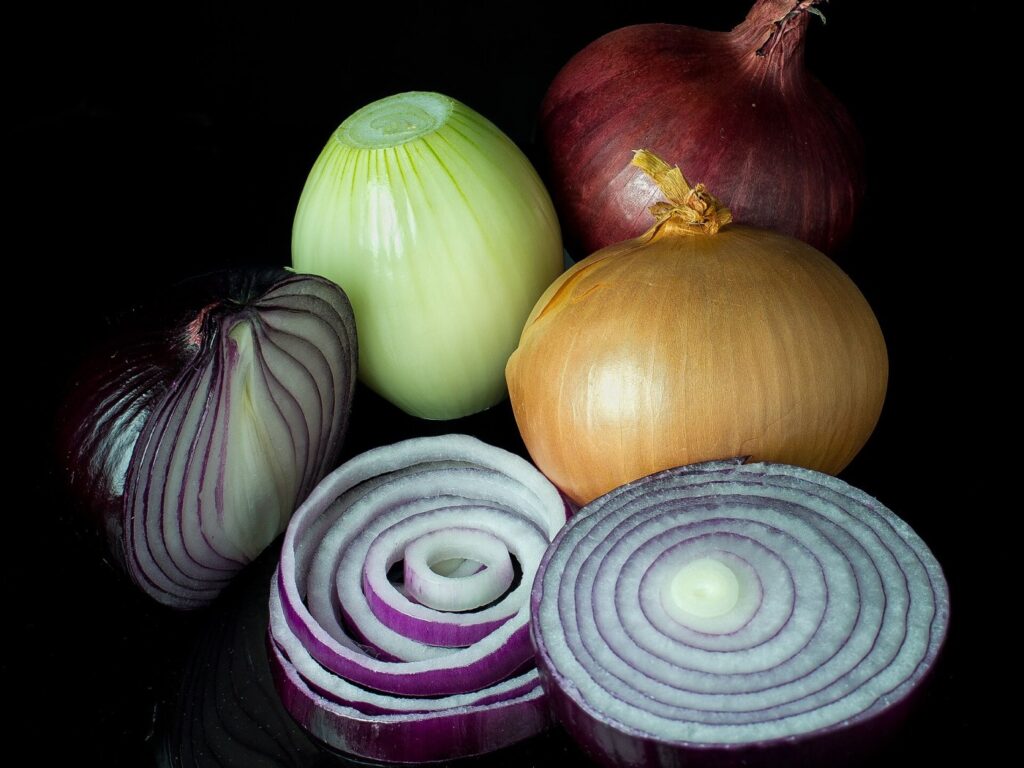
Widely used in Nigerian cookingOnion
Pungent • Savoury
A foundational allium used for sweetness, aroma and savoury depth across Nigerian cooking.
Explore Onion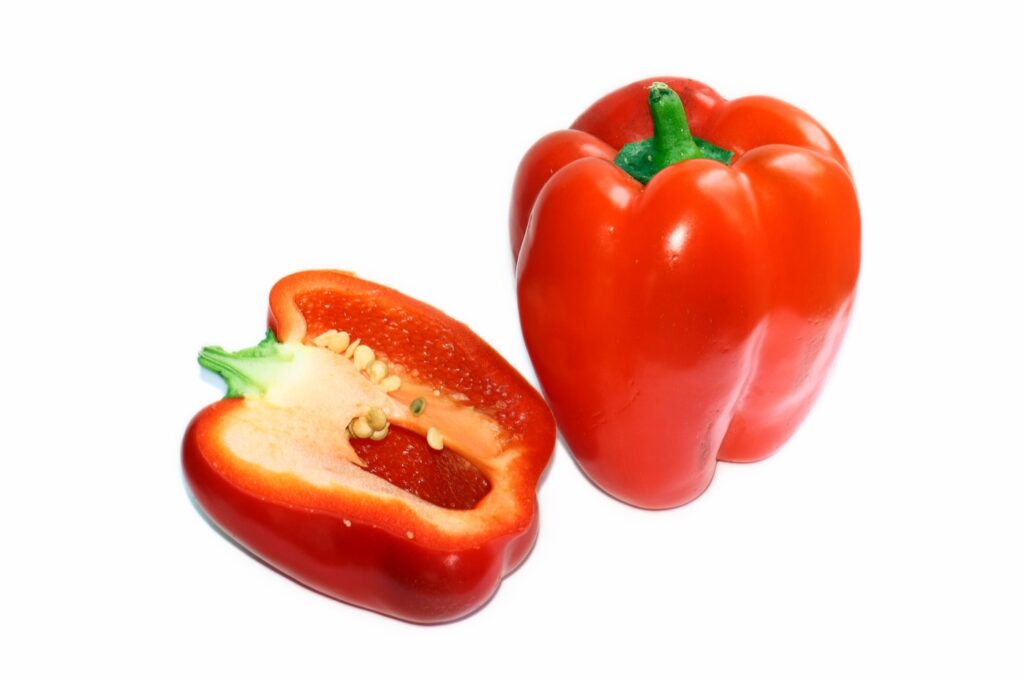
Fresh Pepper
Tatashe
Sweet red pepper
Mild • Sweet · Mild heat
Tatashe pepper is a large, mild red pepper commonly called red bell pepper or sweet red pepper, used for colour and body in Nigerian jollof and stew bases.
Also known as: Tatashe
Explore Tatashe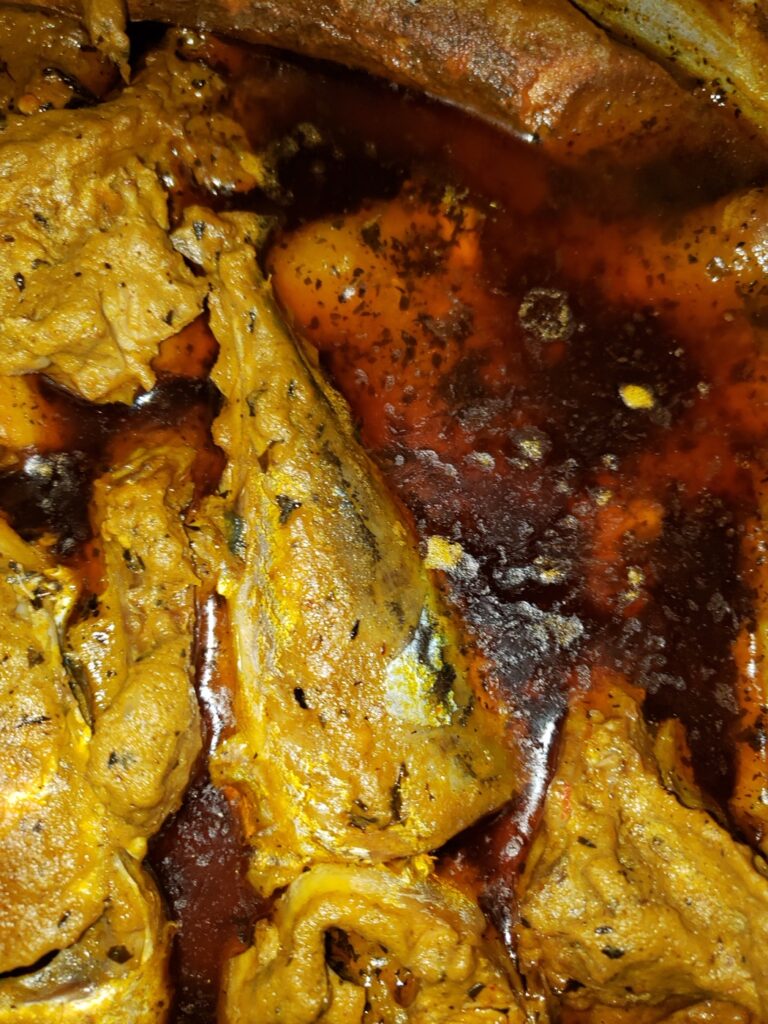
Seasoning Blend
Seasoning blendBanga Spice
Aromatic • Savoury · Mild heat
A family of aromatic spice blends associated with palm-fruit soups and stews.
Explore Banga SpiceKnow another name for this ingredient? Corrections and naming suggestions are reviewed before publication.
Suggest a correction →