
Fermented seasoning
Ogiri
Ogiri is a fermented Nigerian seasoning category, not one fixed ingredient. Compare its forms, aroma, uses and differences from iru.
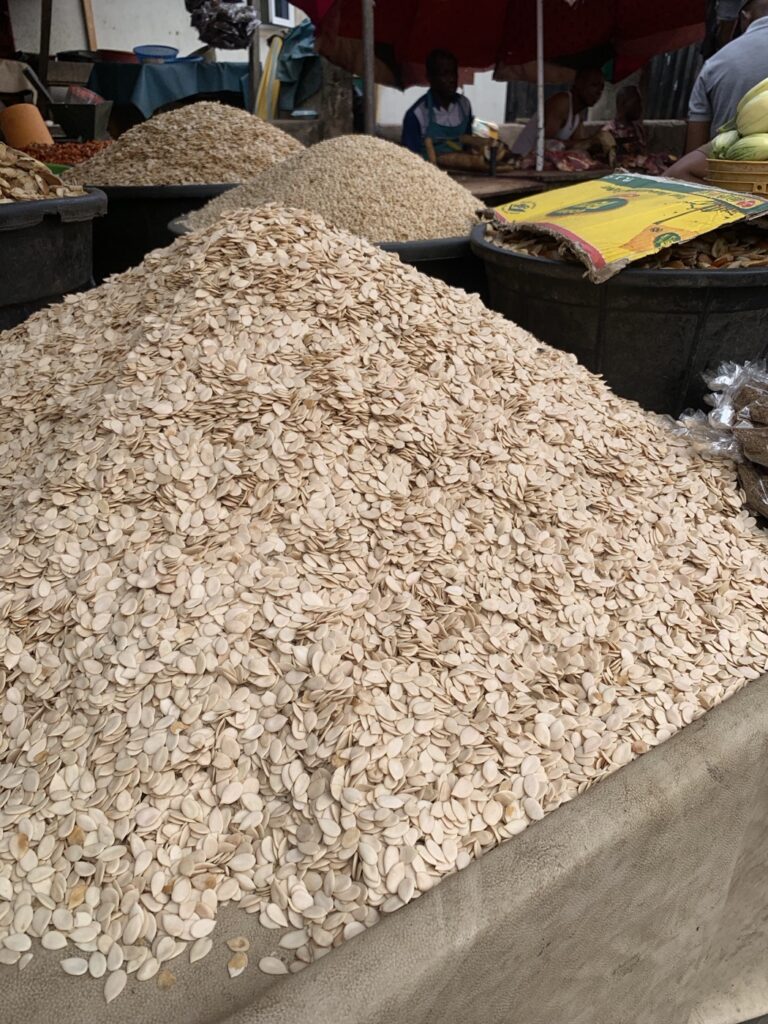
Ingredient record
Names & identity
Names can vary by language, market and region. Only reviewed names are displayed here.
| Nigerian/common name | Ogiri |
|---|
What is Ogiri?
Ogiri is a category of fermented seasoning rather than one fixed ingredient. Different forms can be made from different oil-rich seeds, and their names, aroma and texture vary.
Flavour & identification
What does it taste like?
Powerfully savoury and fermented
What does it look like?
Ogiri may be sold as a soft paste, wrapped portion or firmer cake. Colour ranges from beige to brown depending on raw material and processing.
Using Ogiri in Nigerian cooking
How is it used?
Dissolve a small amount into soups or sauces during cooking.
Which dishes use it?
Vegetable soups
Regional soups and sauces
How do you prepare it?
Dissolve a small portion into the cooking liquid. Identify the raw material where allergies or dietary restrictions matter.
How much should you use?
Start with a small amount because fermented aroma and salt vary strongly.
Buying, storing & substituting
What to look for
Check the raw ingredient and production information when available.
Possible substitutes
Iru or another fermented seasoning can add savoury depth but is not identical in material, process or cultural context.
Supporting research
Ingredient research
Ogiri describes fermented seasonings made from different oil-rich seeds. Because the raw material, microbes, salt and processing vary, one health profile cannot be assigned to every product. No reliable human clinical evidence specific to the category was identified; packaged products should be assessed by their own ingredients and hygiene controls.
Sources & further reading
This entry remains in research. No unsupported source is displayed.
Reviewed by Nigerian Spices editorial desk, 22 September 2026.
Navigate the flavour map
Related & compared
Continue exploring
Related Nigerian ingredients

Seafood Seasoning
Crayfish
Savoury
Dried crayfish used whole or ground to add concentrated seafood savouriness to soups, stews and sauces.
Explore Crayfish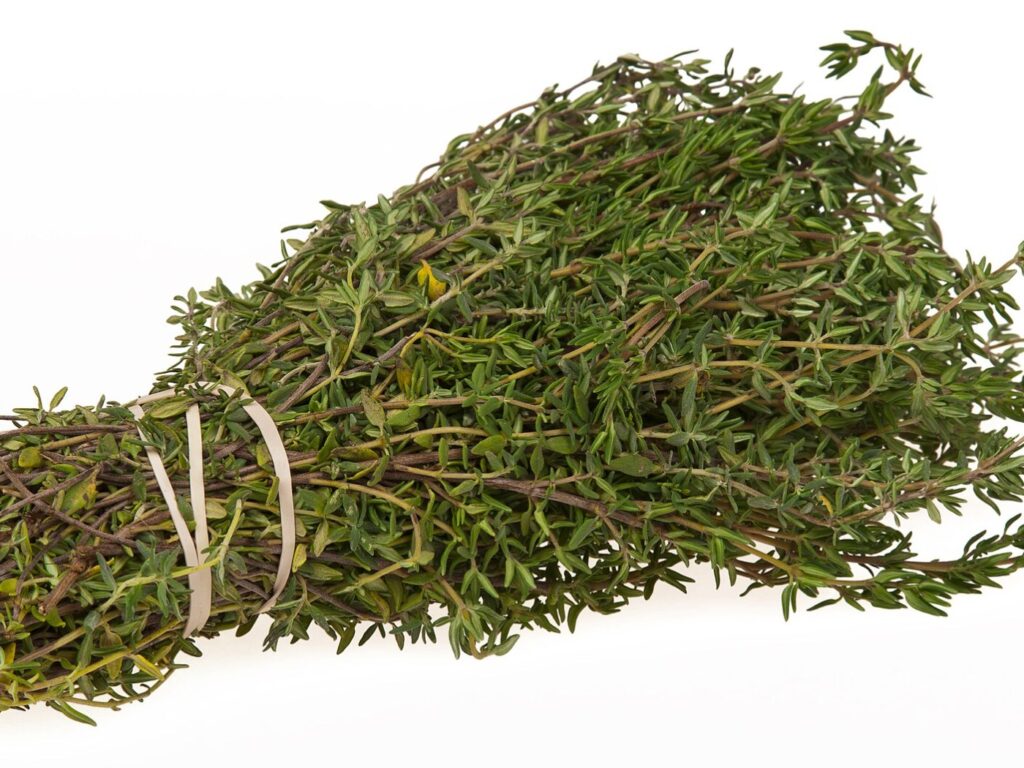
International Herb
Widely used in Nigerian cookingThyme
Herbal • Savoury
A savoury aromatic herb widely used in Nigerian rice, stews, meat dishes and seasoning blends.
Explore Thyme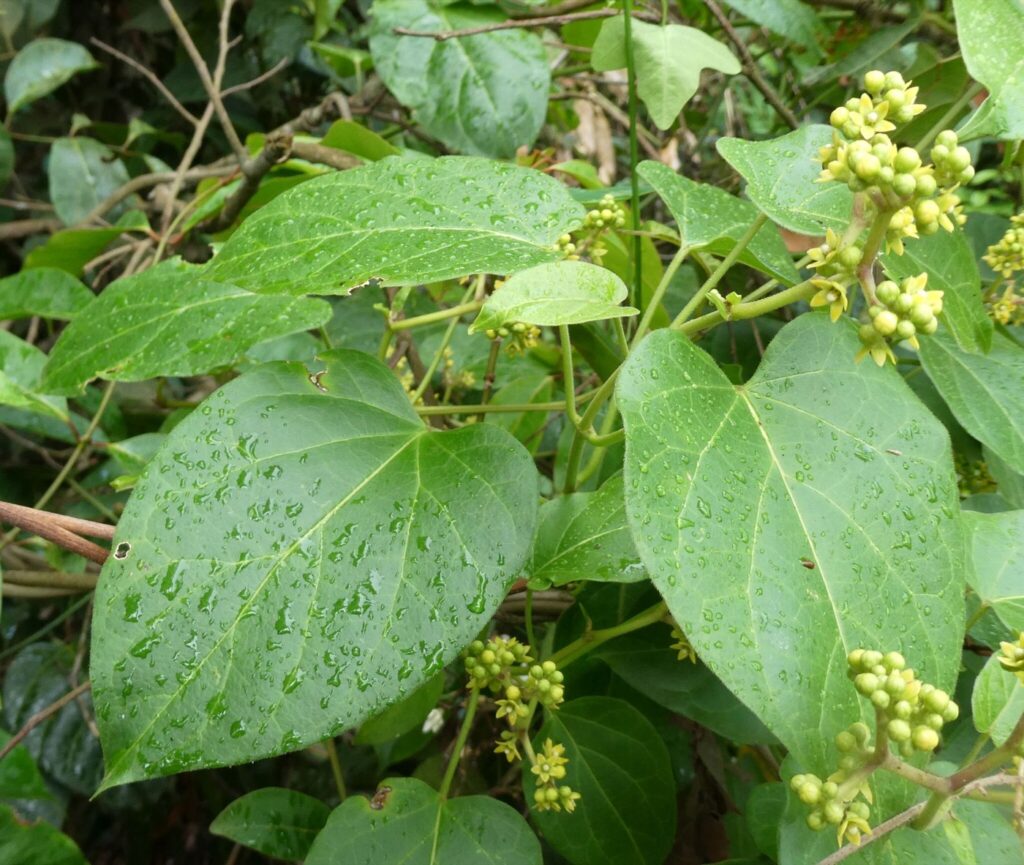
Leaf
Utazi
Bitter • Herbal · Mild heat
A distinctive bitter leaf used to sharpen rich soups, sauces and garnishes.
Also known as: Utazi
Explore UtaziKnow another name for this ingredient? Corrections and naming suggestions are reviewed before publication.
Suggest a correction →