
Seasoning Blend
Suya Spice
A savoury, peppery seasoning blend associated with Nigerian suya.

Ingredient record
Names & identity
Names can vary by language, market and region. Only reviewed names are displayed here.
| Nigerian/common name | Suya Spice |
|---|---|
| HausaNorthern Nigeria | YajiUsed for a seasoning associated with suya; formulations vary. |
| Also known as | Yaji, Suya Spice |
What is Suya Spice?
Suya spice, often called yaji, is a variable seasoning blend associated with suya. Groundnut, chilli, ginger and salt are common reference points, but producer and household formulas differ.
Flavour & identification
What does it taste like?
Nutty, savoury, peppery and aromatic
What does it look like?
The blend is usually a fine reddish-brown powder. Colour and texture vary with chilli, groundnut and other ingredients.
Using Suya Spice in Nigerian cooking
How is it used?
Use as a coating or finishing seasoning, adjusting salt and heat to the blend.
Which dishes use it?
Beef suya
Chicken suya
Grilled meat and vegetable seasoning
How do you prepare it?
Mix with a little oil or apply as a dry coating. Check for groundnut and other declared allergens.
How much should you use?
Use enough to coat lightly, then add more after cooking if needed. Salt and heat vary by blend.
Buying, storing & substituting
What to look for
Ingredient ratios and salt levels vary significantly.
Possible substitutes
A homemade yaji-style blend can replace a commercial packet, but ordinary chilli powder alone will not give the nutty savoury profile.
Supporting research
Ingredient research
Suya spice or yaji is a variable blend, often containing groundnut, pepper, salt and aromatics. No health benefit can be assigned to all blends. Its dietary impact depends on formulation and serving size; groundnut allergy, salt and cross-contamination are more useful health considerations than unsupported therapeutic claims.
Sources & further reading
This entry remains in research. No unsupported source is displayed.
Navigate the flavour map
Related & compared
Related ingredients
Continue exploring
Related Nigerian ingredients
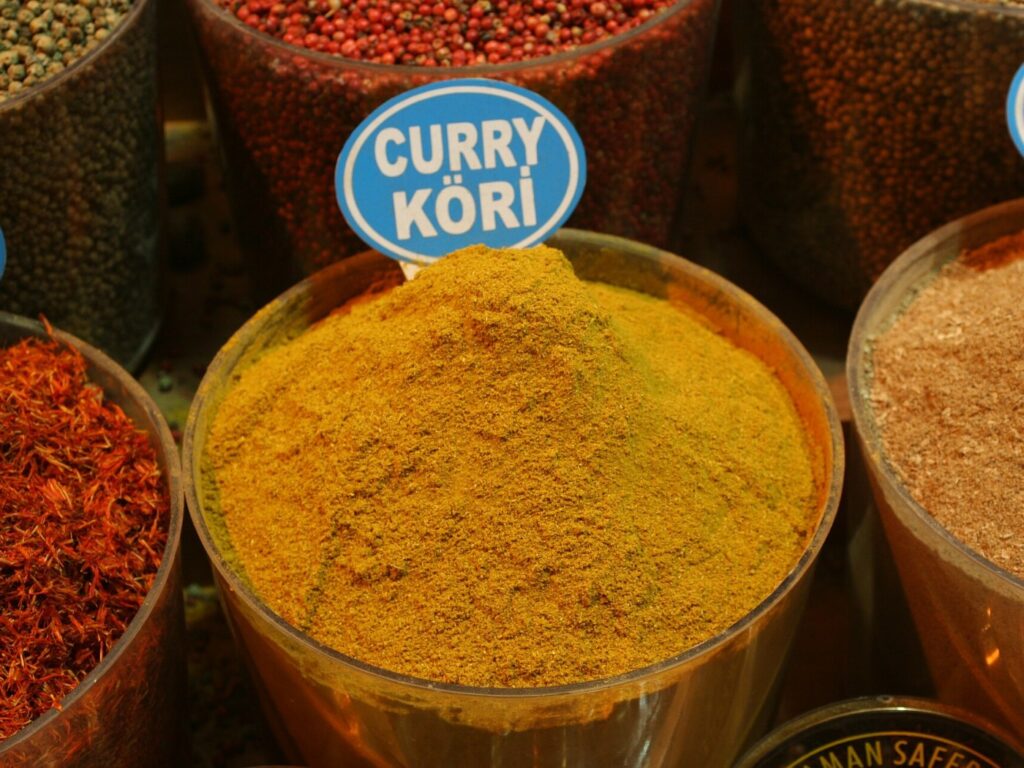
Seasoning Blend
Seasoning blendNigerian Curry Powder
A Nigerian-market curry seasoning category whose colour, heat, salt and component spices vary by brand or recipe.
Explore Nigerian Curry Powder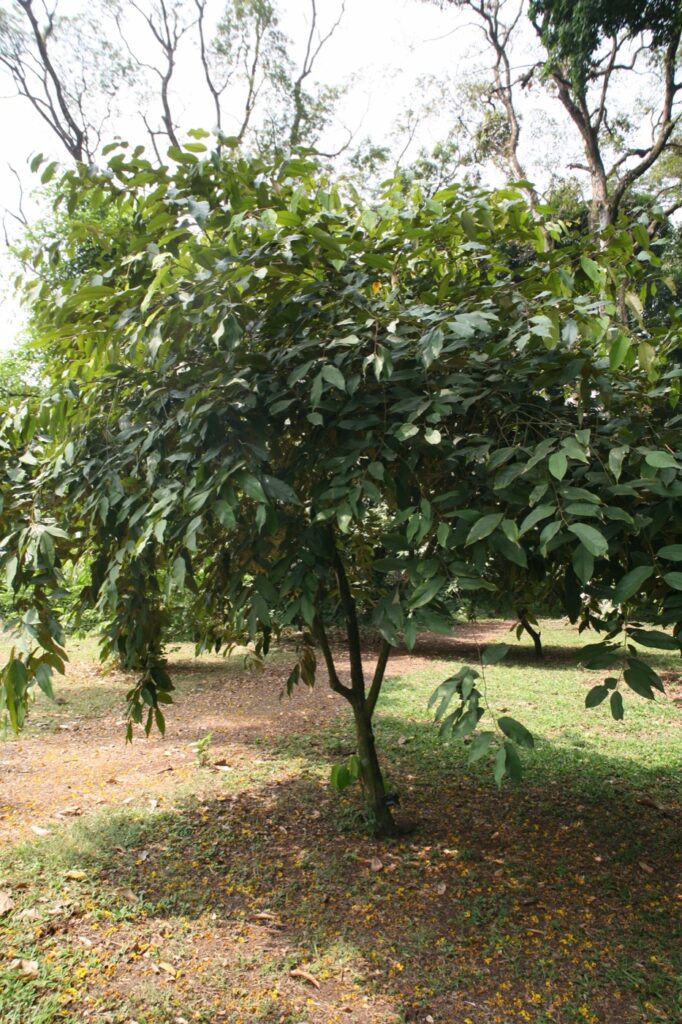
Aromatic
Country Onion
Aromatic • Savoury
Country onion in Nigeria is an aromatic seasoning associated with Afrostyrax lepidophyllus. See its forms, flavour, uses and identity caveats.
Explore Country Onion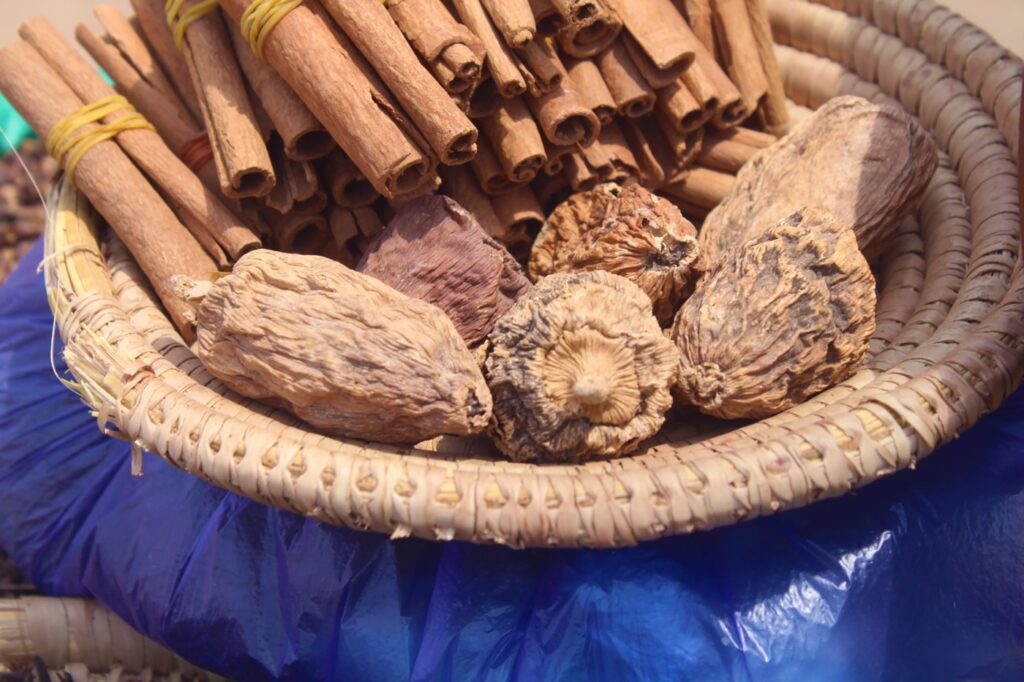
Seed spice
Alligator Pepper
Aromatic • Peppery · Medium heat
A pungent, aromatic seed spice used in cooking and in cultural contexts across parts of Nigeria.
Explore Alligator PepperKnow another name for this ingredient? Corrections and naming suggestions are reviewed before publication.
Suggest a correction →