
Nigerian ingredient guide
Nigerian Pepper Names in English: Tatashe, Shombo, Ata Rodo and Cameroon Pepper
Identify four Nigerian pepper names by appearance, heat, kitchen role and practical substitutes without forcing market varieties into false equivalents.
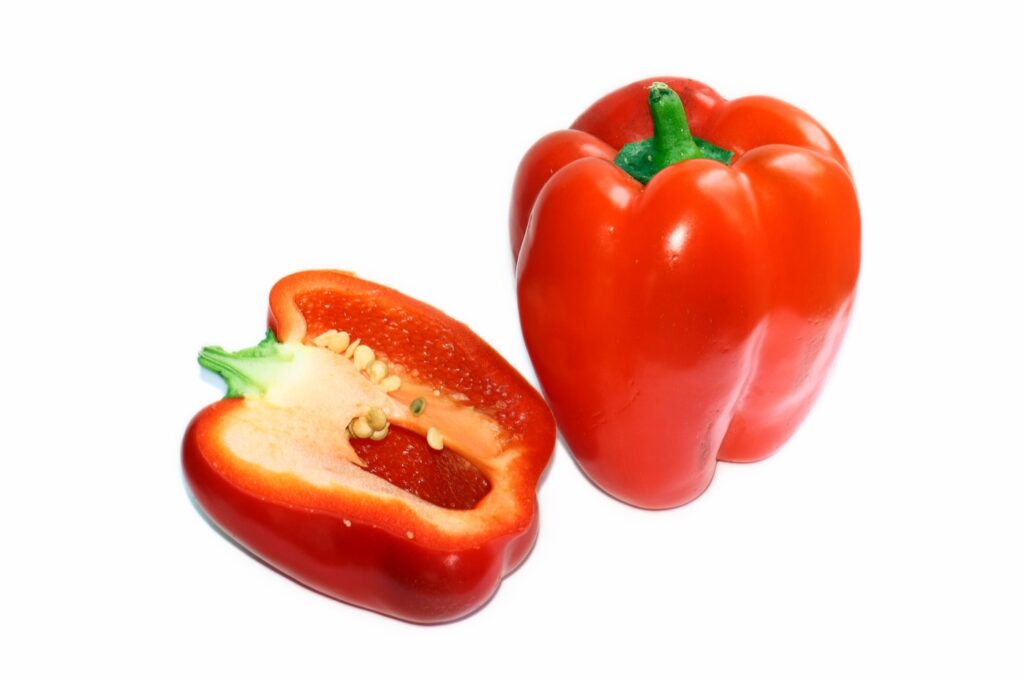

Tatashe is a large mild red pepper used for colour and body; shombo is a long slimmer red pepper with more direct heat; ata rodo is a small wrinkled hot pepper often compared with Scotch bonnet or habanero types; and Cameroon pepper is a dried hot-pepper seasoning term, not one reliably fixed cultivar.
Nigerian pepper names are kitchen and market vocabulary. They help cooks choose colour, body, aroma and heat. They do not always map cleanly to a single supermarket label outside Nigeria.
Visual heat comparison
This is a qualitative cooking guide, not a laboratory Scoville ranking. Variety, ripeness, drying and supplier all change perceived heat.
Appearance, role and substitutes
| Name | Typical appearance | Main role in a pepper base | Practical substitute abroad | Important caveat |
|---|---|---|---|---|
| Tatashe | Large, broad, red, thick-fleshed | Colour, body and mild sweetness | Red bell pepper or another mild red pepper | Water and sweetness vary |
| Shombo | Long, narrow, red | Red-pepper flavour and moderate heat | Fresh long red chilli or cayenne-type pepper | Test the heat before matching quantity |
| Ata rodo | Small, squat or wrinkled, often red/orange | Fresh aromatic heat | Scotch bonnet or habanero, used cautiously | Market forms and cultivars vary |
| Cameroon pepper | Usually dried whole pepper or ground powder | Concentrated heat and dried-pepper aroma | Aromatic hot chilli powder | Not one standard formula or heat level |
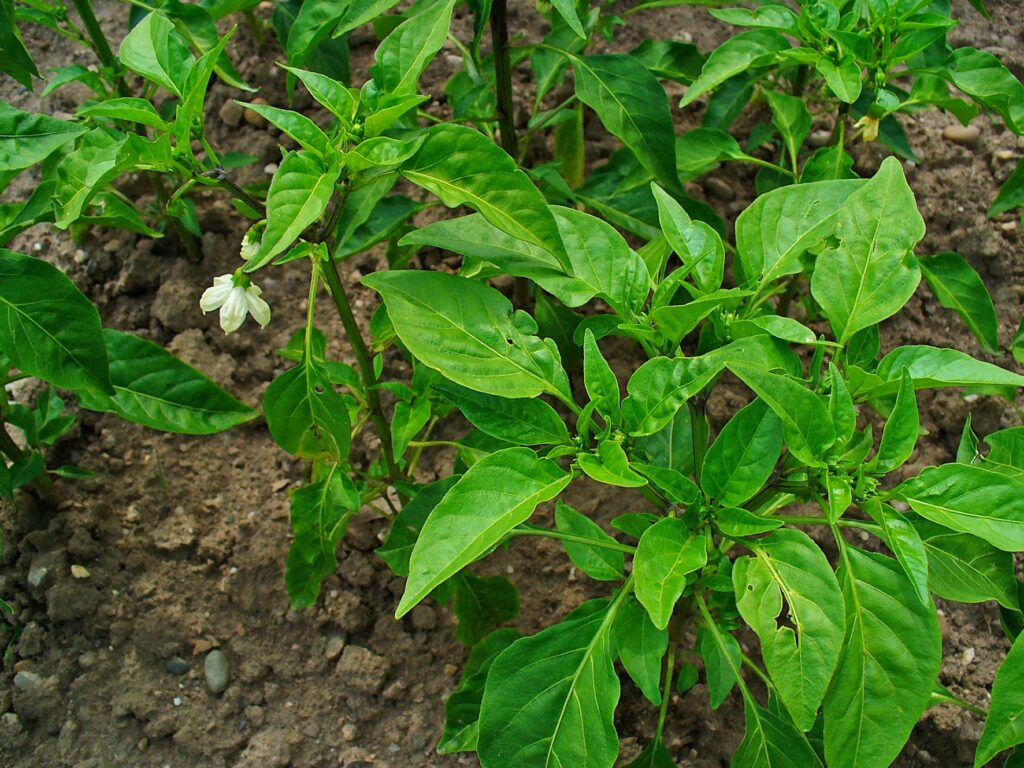
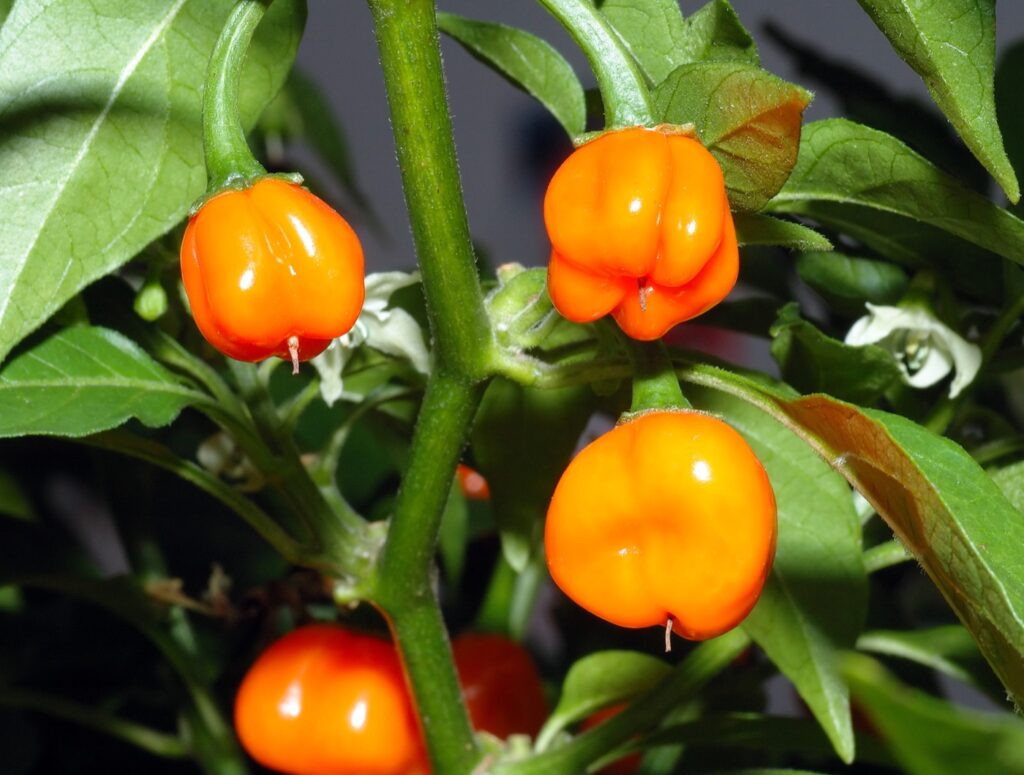
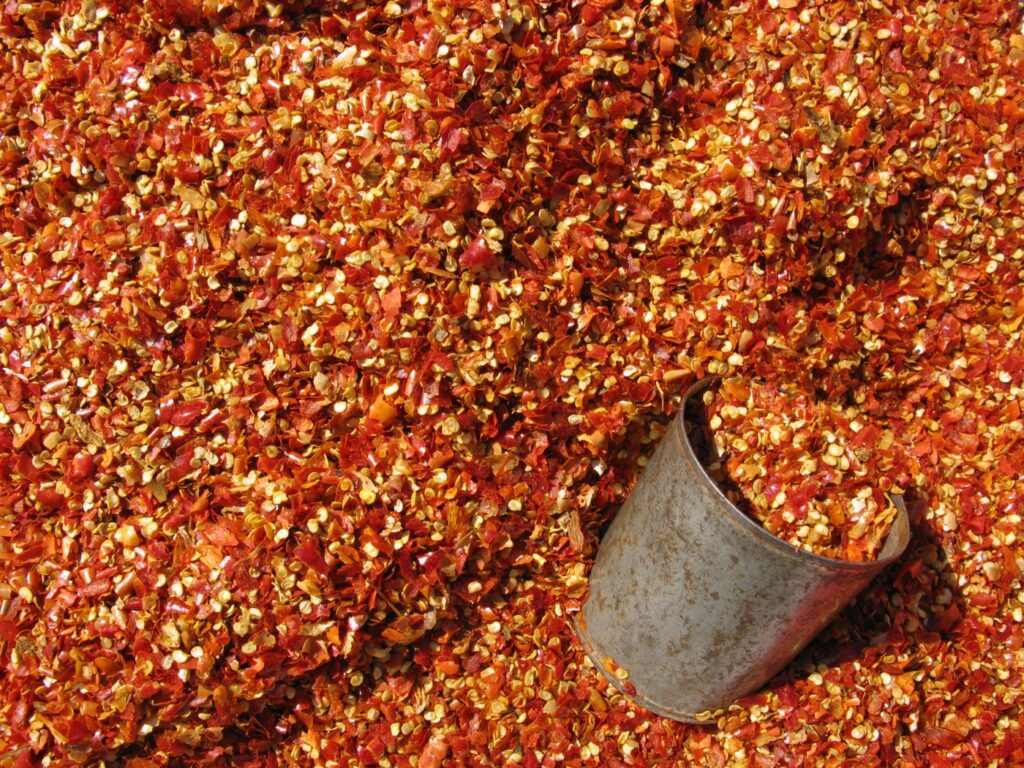
How the four work in a Nigerian pepper base
A pepper base is balanced by function rather than by adding four equal portions. Tatashe can supply volume and red colour. Shombo pushes the mixture towards a sharper red-chilli character. Ata rodo is normally the heat control, so it is adjusted to the diners and the particular batch. Cameroon pepper is more often a dried seasoning than a bulk fresh ingredient.
For Nigerian jollof rice or Nigerian tomato stew, roast or blend the fresh peppers with tomato and onion, then cook down thoroughly. For pepper soup, fresh or dried heat should support—not bury—the aromatic spice blend.
Why the English translations are approximate
Agricultural papers describe tatashe/tatase and shombo/sombo as Nigerian pepper varieties and commonly compare shombo with cayenne and ata rodo with Scotch bonnet. Those comparisons are useful for shopping. They should not be read as proof that every pepper under a market name is genetically identical.
Continue with the jollof guide
See what spices go in Nigerian jollof rice for the roles of tatashe, ata rodo, thyme, curry powder and bay leaf in the finished pot.