
Aromatic Herb
Scent Leaf
Ocimum gratissimum
A highly aromatic leaf used fresh in soups, sauces and pepper dishes.
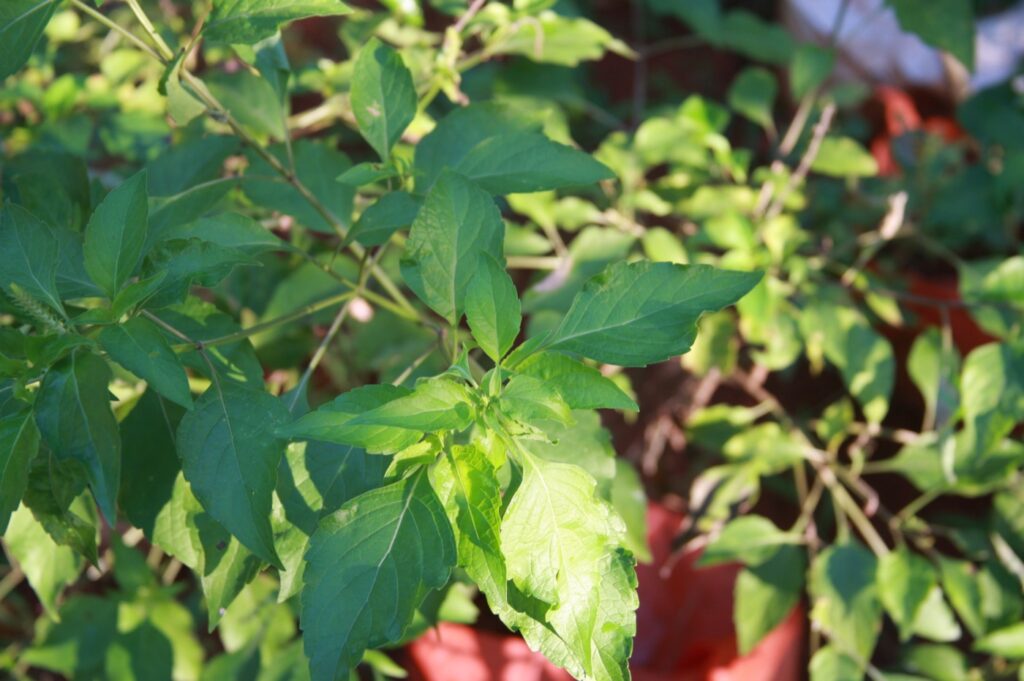
Ingredient record
Names & identity
Names can vary by language, market and region. Only reviewed names are displayed here.
| Nigerian/common name | Scent Leaf |
|---|---|
| Botanical name | Ocimum gratissimum |
| IgboSouth-eastern Nigeria | NchuanwuAlso spelt NchanwuSpelling varies in English transliteration. |
| Also known as | Nchanwu |
What is Scent Leaf?
Scent leaf is a strongly aromatic culinary herb commonly associated with Ocimum gratissimum. Its perfume can suggest clove and basil, but market names should still be checked because related Ocimum species may be sold similarly.
Flavour & identification
What does it taste like?
Herbal, peppery and clove-like
Aroma
Strong and sweet-herbal
What does it look like?
Fresh leaves are green, softly textured and toothed at the edges. Their strong aroma is an important identification clue.
Using Scent Leaf in Nigerian cooking
How is it used?
Slice or tear and add toward the later stages of cooking to retain aroma.
Which dishes use it?
Pepper soup
Tomato and pepper sauces
Fish and meat dishes
How do you prepare it?
Rinse, slice or tear and add towards the end of cooking to preserve aroma.
How much should you use?
Start with a small handful for a family pot and adjust. Leaf size and aroma vary.
Buying, storing & substituting
How to store it
Wrap fresh leaves lightly and refrigerate; use promptly.
Possible substitutes
Thai basil or clove basil can suggest part of the aroma but will not reproduce scent leaf exactly.
Supporting research
Ingredient research
Small clinical studies have tested Ocimum gratissimum as a formulated mouthrinse and reported reduced plaque or gingivitis measures. That evidence concerns a specific rinse, not eating scent leaf, and it does not establish general medicinal benefits from culinary use. Evidence for other claims remains largely laboratory or animal based.
Sources & further reading
Reviewed by Nigerian Spices editorial desk, 27 August 2026.
Continue exploring
Related Nigerian ingredients
Seed spice
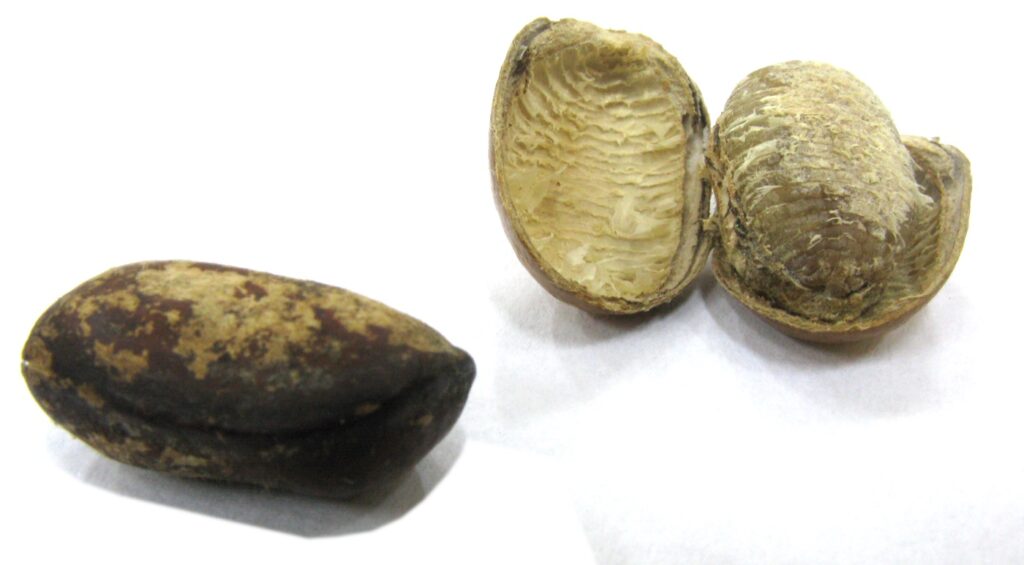
Ehuru
African nutmeg
Aromatic • Warming
A fragrant seed spice commonly described as African nutmeg and used in soups and spice blends.
Also known as: Ehuru
Explore Ehuru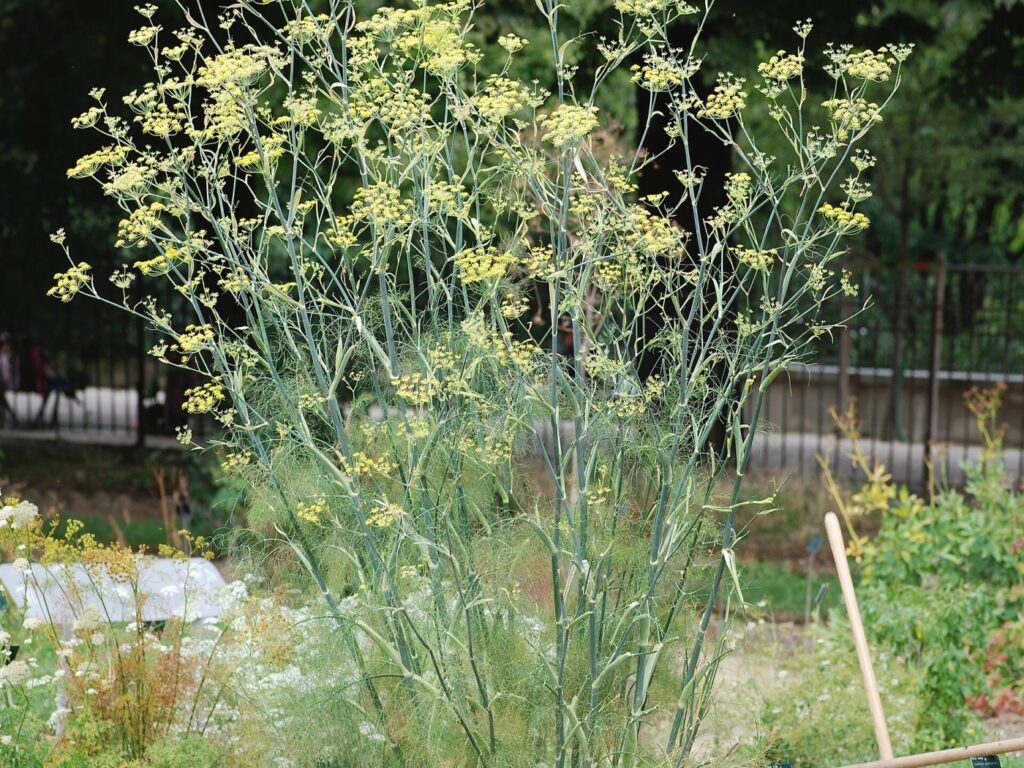
International Spice
Widely used in Nigerian cookingFennel
Aromatic • Sweet
A sweet-aniseed seed or herb ingredient used in selected drinks, dishes and spice blends.
Explore Fennel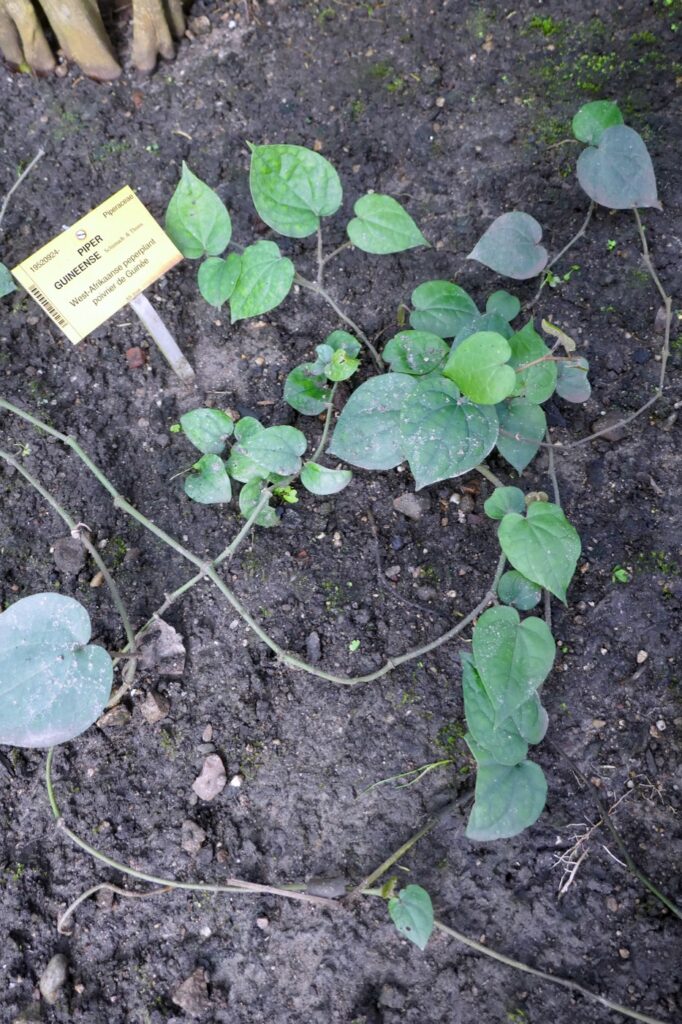
Aromatic Leaf
Uziza Leaf
Piper guineense leaf
Herbal • Peppery · Medium heat
Uziza leaf is Piper guineense leaf, a peppery West African soup leaf. Learn its English name, flavour, appearance, uses and substitutes.
Also known as: Uziza
Explore Uziza LeafKnow another name for this ingredient? Corrections and naming suggestions are reviewed before publication.
Suggest a correction →