
Nigerian ingredient guide
Nigerian Soup Leaves in English: Uziza, Utazi, Okazi, Scent Leaf and Bitter Leaf
A photo-led guide to five Nigerian soup leaves, their English and botanical names, flavour, appearance, dishes and practical differences.
.jpg)
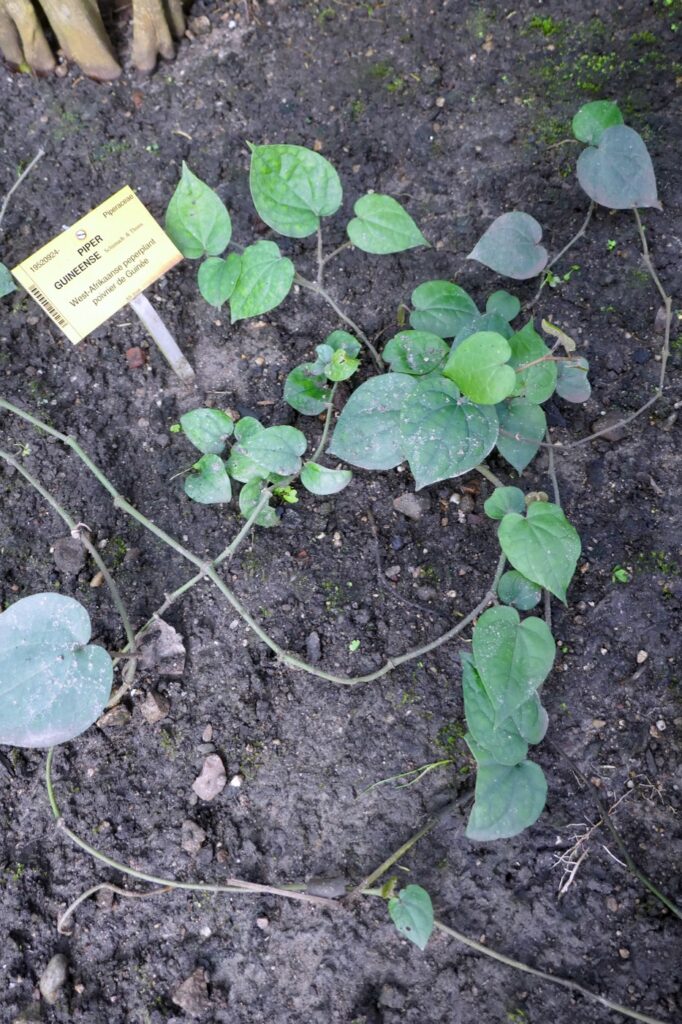
Uziza is Piper guineense leaf; utazi is Gongronemopsis latifolia; okazi or ukazi commonly refers to Gnetum leaves; scent leaf is commonly Ocimum gratissimum; and bitter leaf is widely known under the older botanical name Vernonia amygdalina, with Gymnanthemum amygdalinum accepted by Kew.
These leaves are sometimes grouped together in diaspora shops, but their textures and kitchen roles are very different. “English name” is useful for shopping; the botanical identity is the safer way to distinguish plants when a common name overlaps.
Five Nigerian soup leaves compared
| Leaf | English/common identity | Flavour | Texture and appearance | Typical Nigerian uses |
|---|---|---|---|---|
| Uziza | Piper guineense leaf | Peppery, green, aromatic | Broad pointed green leaf; delicate when fresh | Nsala, pepper soup, vegetable soups |
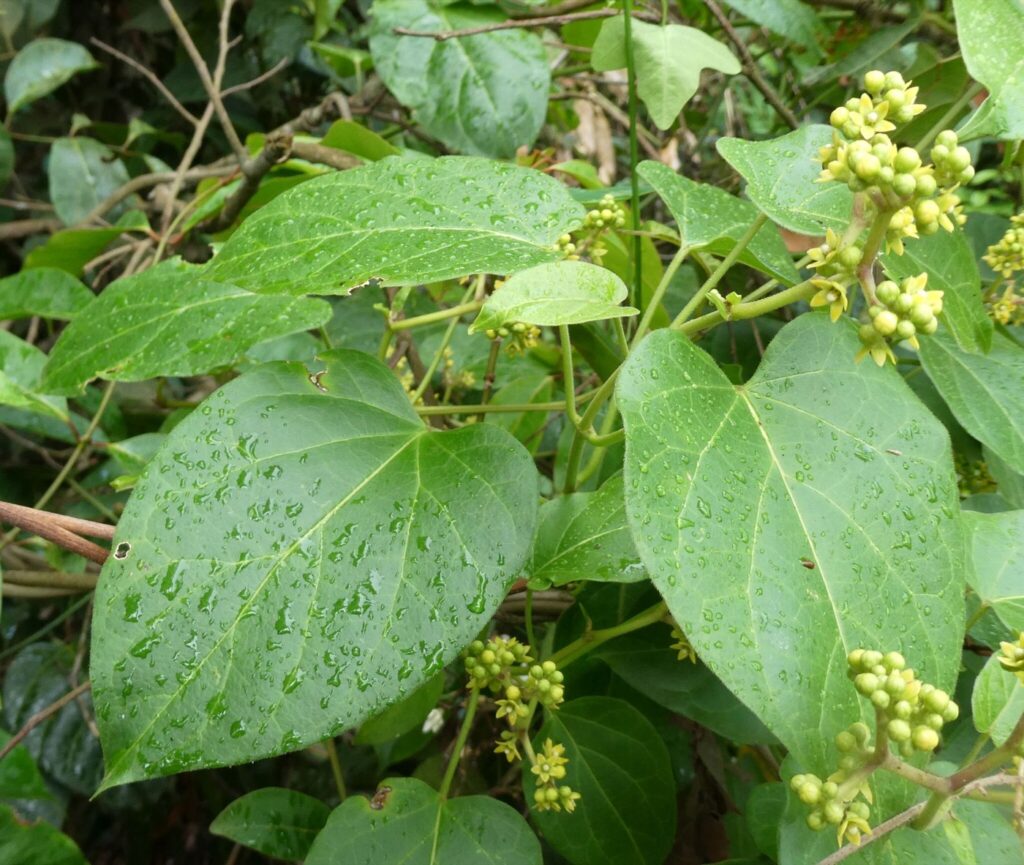
| Utazi | Gongronemopsis latifolia; older sources use Gongronema latifolium | Pronounced bitterness with herbal aroma | Green pointed leaf, usually sliced finely | Pepper-soup garnish, nsala, rich sauces |
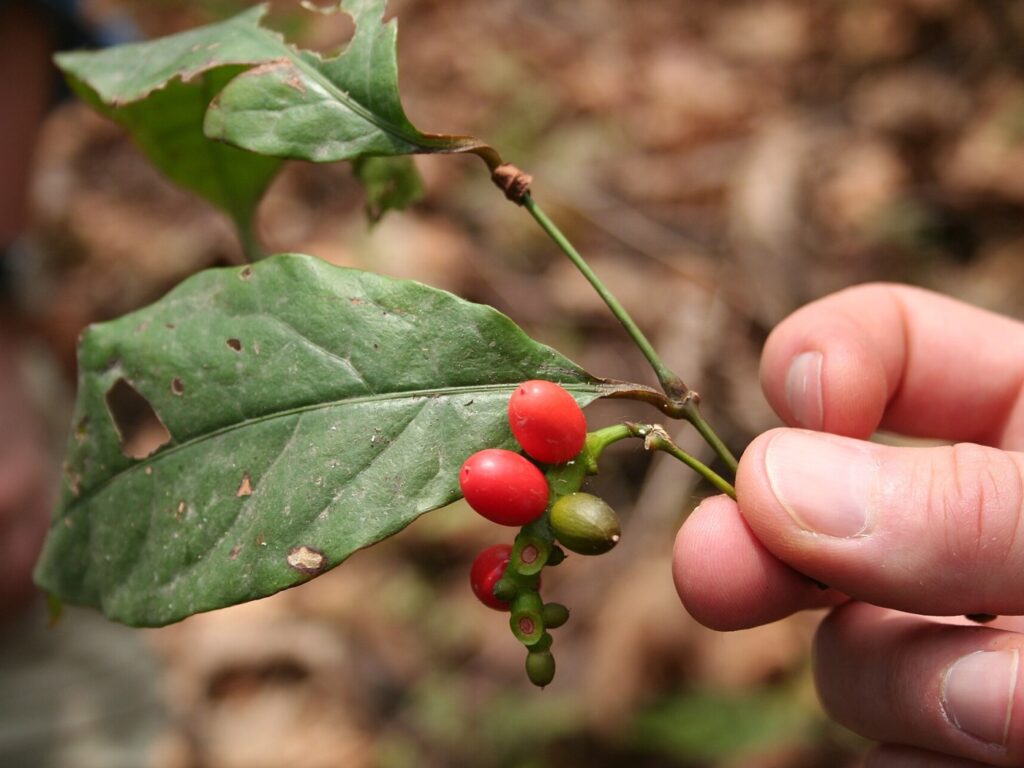
| Okazi / ukazi | African jointfir; Gnetum leaf | Earthy and mild | Firm, glossy leaf; often shredded very finely | Afang, okazi and regional vegetable soups |
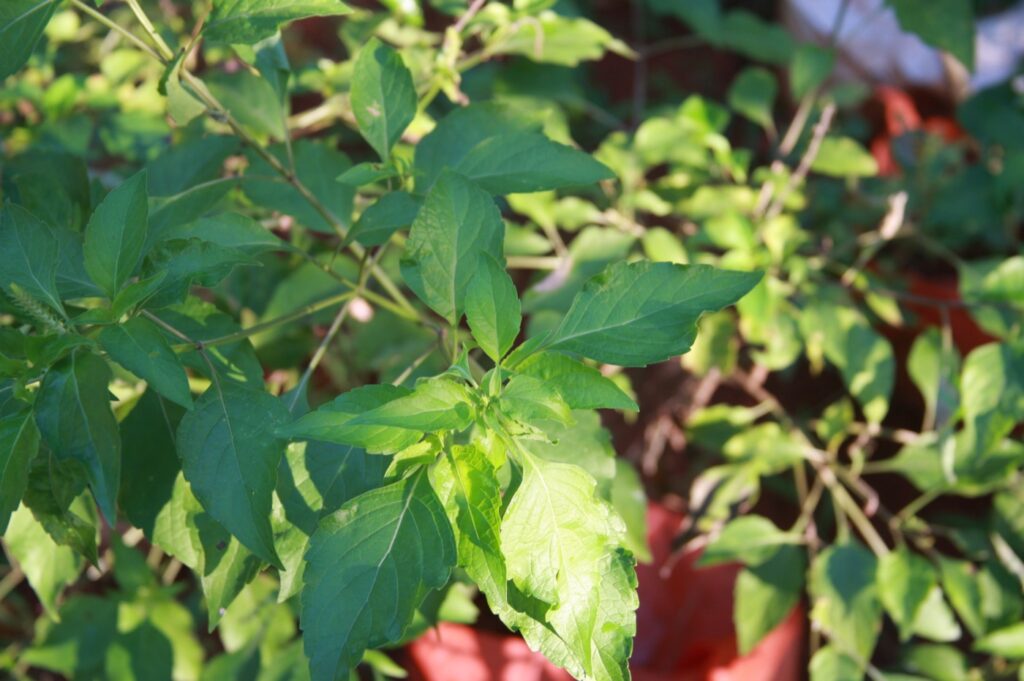
| Scent leaf | African basil; commonly Ocimum gratissimum | Clove-like, basil-like, highly aromatic | Soft aromatic leaves with toothed margins | Pepper soups, yam dishes, sauces |
| Bitter leaf | Gymnanthemum amygdalinum; widely called Vernonia amygdalina | Deliberately bitter | Elliptic leaf, often washed before cooking | Ofe onugbu and bitter-leaf soups |
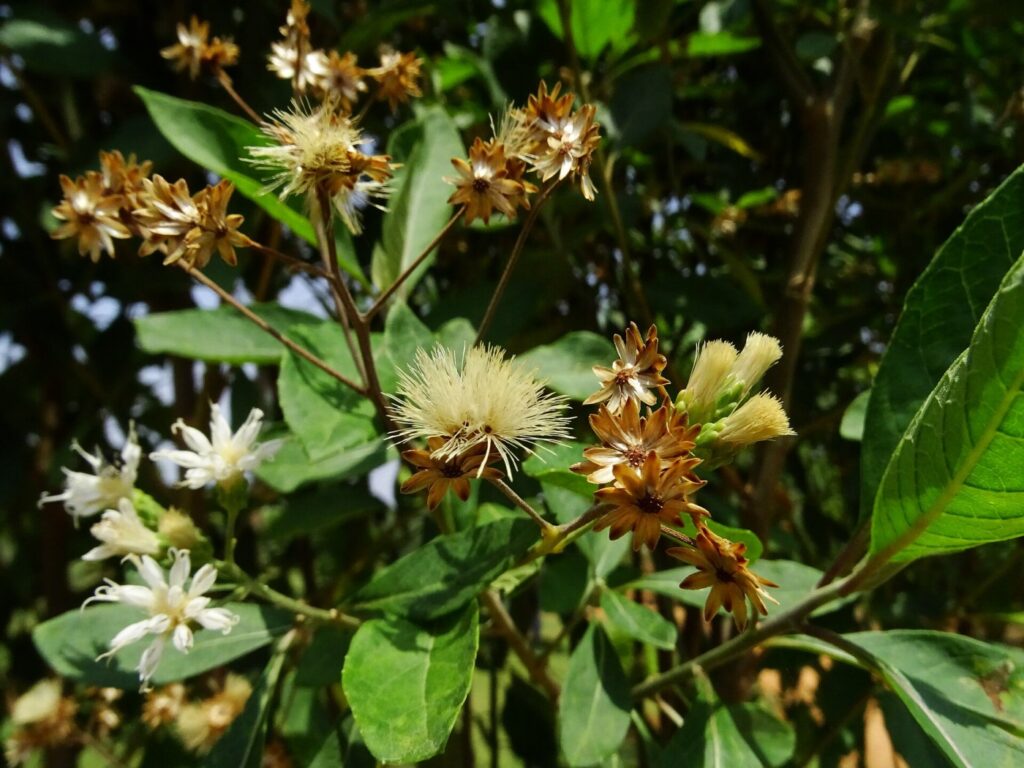
How to tell them apart in the kitchen
Uziza versus utazi
Uziza is chosen for peppery aroma; utazi is chosen for bitterness. Both may be sliced into soup, but increasing utazi does not reproduce uziza’s peppery quality, and increasing uziza does not create utazi’s clean bitter finish.
Okazi is the firm one
Okazi/ukazi is noticeably tougher than the other leaves here. It is normally sliced or milled very finely so it softens in soup. Trade can include more than one closely related Gnetum species, so a pack that lists the botanical name is more informative than “African leaf” alone.
Scent leaf is identified as much by aroma as sight
Fresh scent leaf gives an immediate clove-and-basil aroma when rubbed. The name can be used broadly in markets, and related Ocimum plants may be sold similarly, so the individual ingredient label still matters.
Bitter leaf is often washed
Bitter leaf is intentionally bitter, but repeated washing can reduce the intensity before it enters soup. The desired bitterness and preparation vary by cook and dish; washing is a flavour technique, not a way to turn it into a different leaf.
What can I substitute?
There is no complete substitution table because these leaves provide different aroma, texture and cultural identity. Abroad, a tender basil can approximate some fresh herbal character of scent leaf, and a firm green can contribute body where okazi is unavailable, but neither is an identity match. Name the adaptation rather than labelling the substitute as the Nigerian leaf.
Explore related guides
For aromatic seeds and fruits used alongside leaves, compare uda, uziza and ehuru. For a broth where leaves are often finishing ingredients, see Nigerian pepper soup.