
Seed spice
Grains of Paradise
Aframomum melegueta
Small aromatic seeds with peppery warmth and a bright, complex finish.
Ingredient record
Names & identity
Names can vary by language, market and region. Only reviewed names are displayed here.
| Nigerian/common name | Grains of Paradise |
|---|---|
| Botanical name | Aframomum melegueta |
What is Grains of Paradise?
Grains of paradise are the aromatic seeds of Aframomum melegueta. The spice is used across West Africa, while Nigerian naming and usage should be documented region by region rather than generalised.
Flavour & identification
What does it taste like?
Peppery, citrus-like and warming
What does it look like?
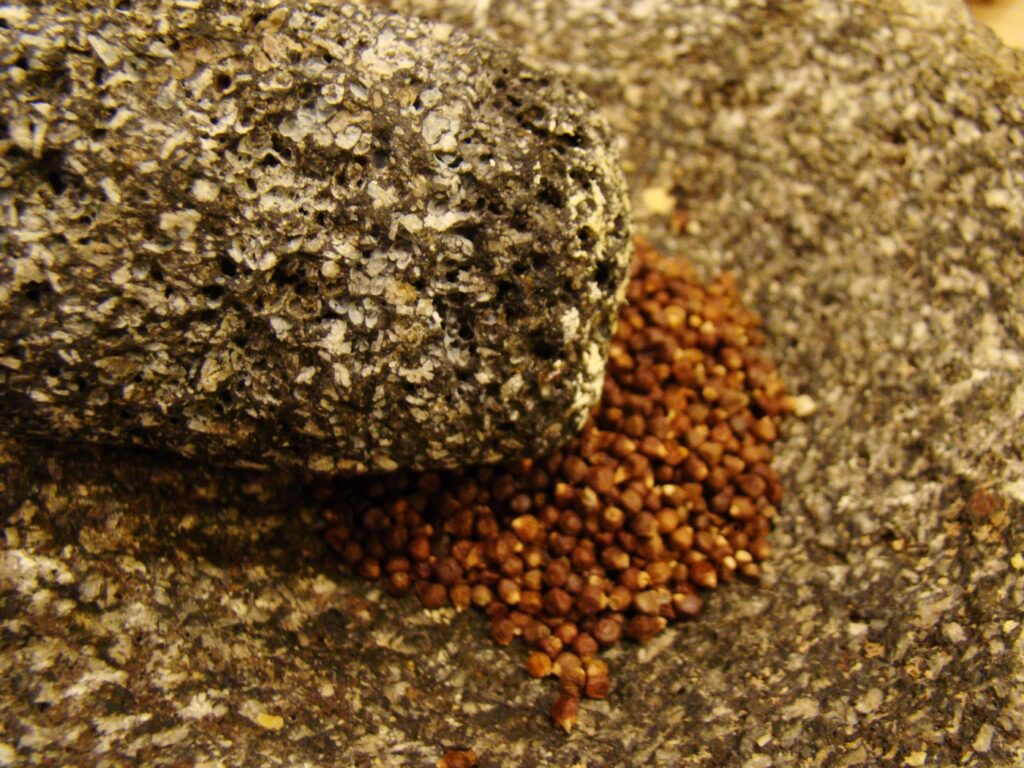
The loose seeds are small, brown and angular. They may be sold inside dried pods or already separated.
Using Grains of Paradise in Nigerian cooking
How is it used?
Crush freshly and add in measured amounts to savoury dishes or spice blends.
Which dishes use it?
Spice blends
Broths
Seasoned meats
How do you prepare it?
Crush or grind shortly before use. A brief dry toast can make the aroma more pronounced.
How much should you use?
Start with a small pinch because freshly ground seeds are assertive.
Buying, storing & substituting
Possible substitutes
Black pepper can replace some heat but not the citrus-like aromatic character.
Supporting research
Ingredient research
Small controlled trials of standardised Aframomum melegueta extracts have reported short-term changes in energy expenditure and visceral fat measures. The studies used concentrated extracts, small samples and specific dosing; they do not show that normal culinary quantities produce the same effects or justify weight-loss claims.
Sources & further reading
Continue exploring
Related Nigerian ingredients
International Herb
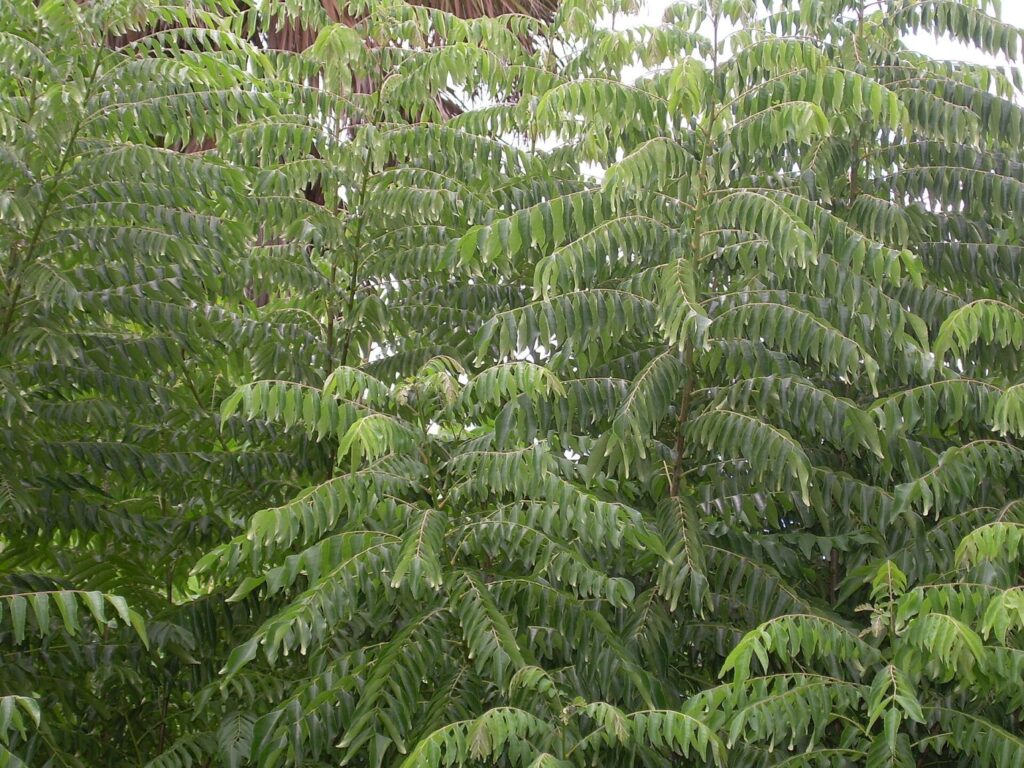
Widely used in Nigerian cookingCurry Leaf
Aromatic • Herbal
An aromatic leaf used in some contemporary Nigerian and diasporic cooking; distinct from curry powder.
Explore Curry Leaf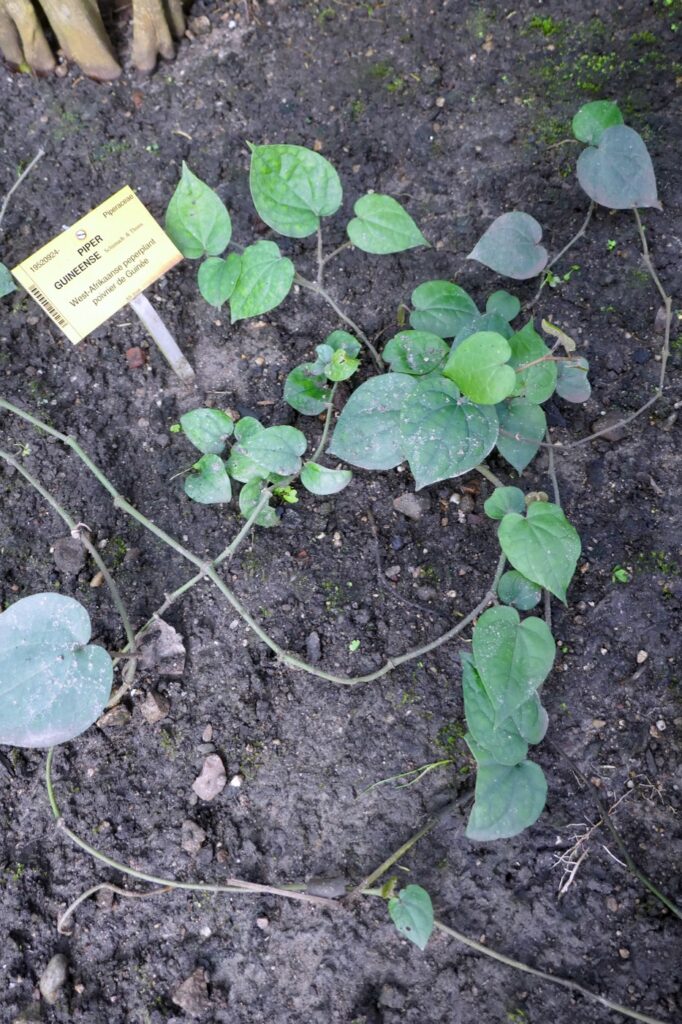
Aromatic Leaf
Uziza Leaf
Piper guineense leaf
Herbal • Peppery · Medium heat
Uziza leaf is Piper guineense leaf, a peppery West African soup leaf. Learn its English name, flavour, appearance, uses and substitutes.
Also known as: Uziza
Explore Uziza Leaf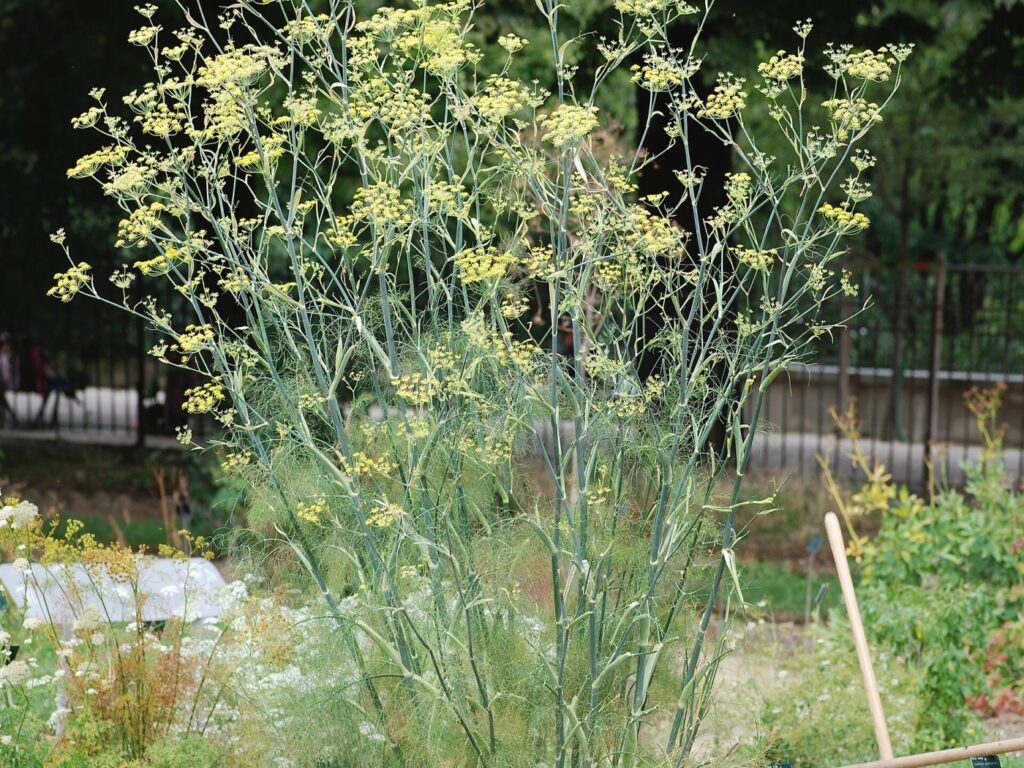
International Spice
Widely used in Nigerian cookingFennel
Aromatic • Sweet
A sweet-aniseed seed or herb ingredient used in selected drinks, dishes and spice blends.
Explore FennelKnow another name for this ingredient? Corrections and naming suggestions are reviewed before publication.
Suggest a correction →